 An official website of the United States government




News
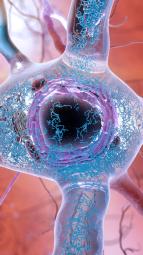
Blocking cellular receptor stops spread of tau in mouse brains
In experiments in cells and mice, blocking a protein called LRP1 stopped both normal and harmful forms of tau, which are involved in dementias, from s...
News
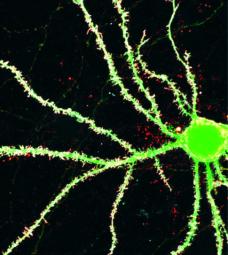
Gene linked to sex differences in autism
Researchers found that a small cluster of mutations in the NLGN4X gene, which has been linked to autism spectrum disorder, may explain the sex differe...
News
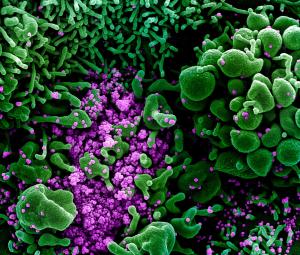
Microneedle coronavirus vaccine triggers immune response in mice
When delivered to mice using microneedles, an experimental vaccine for COVID-19 caused antibody production against the disease within two weeks.
More Stories
December 15, 2020 Edition

Stress may awaken dormant cancer cells
Researchers found that stress may help awaken dormant tumor cells, causing cancer to recur. The findings suggest targets to investigate for preventing cancer relapse.

Antibodies and T cells protect against SARS-CoV-2
Monkeys with the highest levels of antibodies against SARS-CoV-2, the virus that causes COVID-19, were best protected against reinfection. Immune cells called T cells also helped prevent reinfection.

Financial problems can be sign of dementia onset
Older adults had problems managing financial obligations up to six years before a diagnosis of Alzheimer’s disease or related dementia.
December 8, 2020 Edition

Understanding "exceptional responders" to cancer treatment
Molecular changes in the tumors of patients who are exceptional responders to cancer treatments may suggest personalized treatment approaches for cancer patients.

Molecule guides stem cells to damaged brain tissue
Scientists altered a molecule that is naturally produced by the body to safely guide stem cells to damaged brain tissue in mice.

Hormone suppresses hunger in primates and people
A hormone called LCN2 suppressed hunger after eating, researchers found, and levels were depressed in people with obesity.
November 24, 2020 Edition

Immune cells trained in the gut protect the brain
Researchers found that the brain’s protective membranes are guarded against microbes by immune cells that are trained in the gut.

Life support machine helps cardiac arrest patients survive
Using a life support machine called ECMO shortly after cardiac arrest outside of a hospital improved patients’ chances of survival.

Hydroxychloroquine doesn't benefit hospitalized COVID-19 patients
In a final analysis of study data, researchers concluded that the medication hydroxychloroquine provides no benefit to adults hospitalized with COVID-19.
November 10, 2020 Edition

Rural youth often lack access to suicide prevention services
Researchers found that despite higher suicide rates among rural youth, rural areas have fewer mental health facilities that provide suicide prevention services for youths.

Postpartum depression may last for years
About 5% of women reported persistently high levels of postpartum depression symptoms for three years after giving birth.

Coronaviruses hijack lysosomes to exit cells
Researchers discovered that coronaviruses hijack lysosomes, the cell’s trash disposal system, to exit cells and spread through the body.
November 3, 2020 Edition

New inflammatory disease discovered
Using a genomic approach, researchers identified a new inflammatory disorder, called VEXAS, in men with diverse symptoms.

How mucus in the colon prevents inflammation and injury
A study in mice showed how mucus production throughout the colon keeps gut bacteria isolated from intestinal tissue and helps prevent inflammation.

Gene therapy with novel protein restores vision in mice
Researchers restored vision in blind mice by using gene therapy to add a novel light-sensing protein to cells in the retina.
October 27, 2020 Edition

Study sheds light on key steps in the HIV life cycle
Researchers were able to uncover key steps in HIV replication by reconstituting and watching these events unfold outside the cell.

How your body senses the urge to urinate
Researchers discovered that a protein called PIEZO2 may be responsible for the powerful urge to urinate that we normally feel many times throughout the day.

Higher calorie treatment for people hospitalized with anorexia
People hospitalized for anorexia improved more quickly when fed higher calories than normally used in treatment.
October 20, 2020 Edition

Final report confirms remdesivir benefits for COVID-19
The antiviral drug remdesivir shortened recovery time for patients hospitalized with COVID-19, based on results from the completed trial.

Education programs may improve young children's asthma control
A combination of health programs at school and home appeared to improve asthma control in preschool children from low-income families.

Brain differences in youth linked to increased waist size
Cellular differences in a brain area that plays a key role in reward and food processing may predict higher obesity in children.
October 6, 2020 Edition

Machine learning detects early signs of osteoarthritis
Using artificial intelligence and MRI scans, researchers identified signs of osteoarthritis three years before diagnosis.

SARS-CoV-2 may use key carbohydrate to infect cells
A carbohydrate called heparan sulfate, which is found on cell surfaces, may play a critical role in the novel coronavirus’ ability to infect cells.

Pain rising among younger Americans with less education
Younger Americans with less than a bachelor’s degree reported higher levels of pain than today’s older adults did at their age.
September 29, 2020 Edition

How anesthetics and benzodiazepine affect the brain differently
Scientists identified how anesthetic and benzodiazepine drugs change a brain receptor’s shape. The findings suggest ways to design more tailored anesthetic drugs.

Computer-designed proteins may protect against coronavirus
Researchers designed “miniproteins” that bound tightly to the SARS-CoV-2 spike protein and prevented the virus from infecting human cells in the lab.

Poor immune response impairs diabetic wound healing
Researchers found that diabetic foot ulcers don’t recruit the immune cells necessary for normal wound healing. The study also identified potential targets for future therapies.