 An official website of the United States government




-
Image

SRP is hosting a Progress in Research webinar series to showcase research from 6 schools funded by SRP in 2025. Awardees will highlight their research projects, accomplishments, and next steps.
-
Image

NIH has released an Implementation of New Initiatives and Policies webpage where you can learn more about the status of changes impacting the grants process and plans for implementing new initiatives and policies.
-
Image
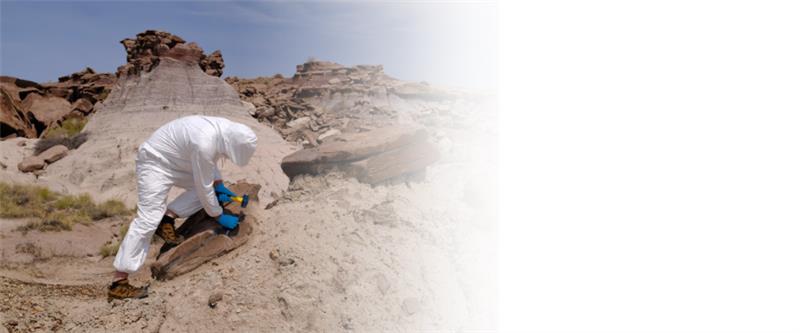
During a field trip to Petrified Forest National Park led by the Project 2 team of the Columbia University Northern Plains Superfund Research Program, David Tibbits collects uranium mine tailings for isotopic tracing to track how uranium from these materials moves through the environment. (Photo courtesy of Columbia University).
-
Image

The SRP has recently released a Notice of Intent To Publish (NOITP) about the anticipated release of the P42 Notice of Funding Opportunity (NOFO). Please visit the SRP Funding Opportunities website for more information.
-
Image

University of Rhode Island SRP Center trainee Juliana Agudelo Areiza talks about her current research on how PFAS accumulate in the liver and her K.C. Donnelly Externship at the U.S. Environmental Protection Agency.
-
Image
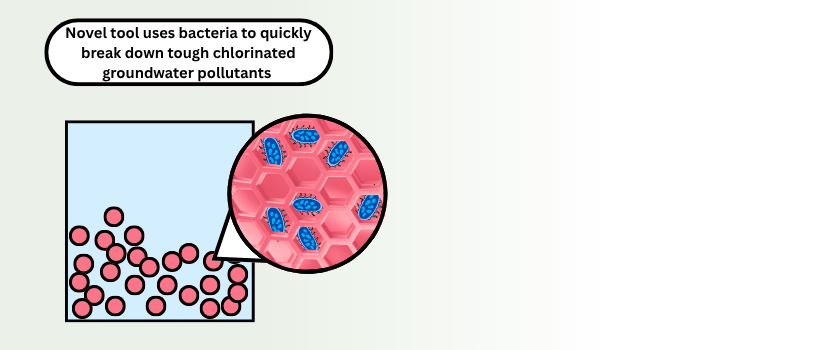
Researchers funded by SRP developed a new biocatalyst technology to clean up chlorinated hydrocarbons (CHCs), a large class of persistent groundwater pollutants. The technology, created by Microvi Biotechnologies, Inc., stabilizes a pollutant-degrading bacteria inside a porous polymer, enabling the rapid breakdown of several hard-to-treat contaminants.
-
Image

Check out the April 2026 issue of the SRP Science Digest, which highlights how SRP grant recipients are transforming the research landscape through advances in complex cell-based systems, computational modeling, and other emerging methods that improve the precision and human relevance of chemical hazard characterization.
-
Image
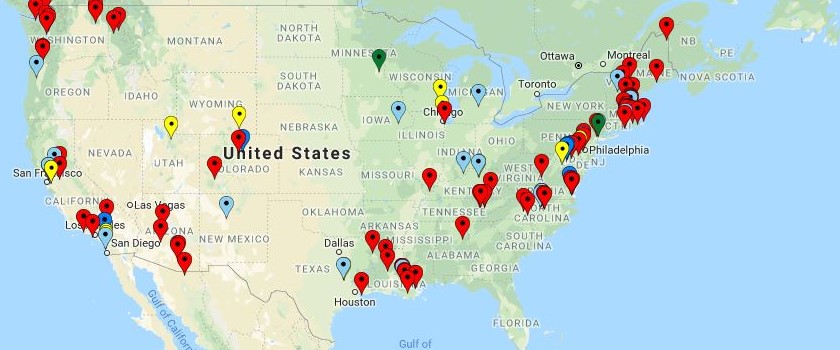
If you are interested in learning more about where SRP grant recipients are working, check out the SRP map to see the locations of SRP grant recipients, as well as hazardous waste sites where they conduct research or outreach.
-
Image

Use our search tools to learn more about the projects and researchers funded by the SRP.
The NIEHS Superfund Research Program (SRP) supports research at universities and small businesses to solve complex environmental health problems, reduce hazardous contaminant cleanup costs, decrease exposure to contaminants, and improve human health.