 An official website of the United States government




The OSP Scholar Spotlight highlights up-and-coming investigators with distinguishable research.
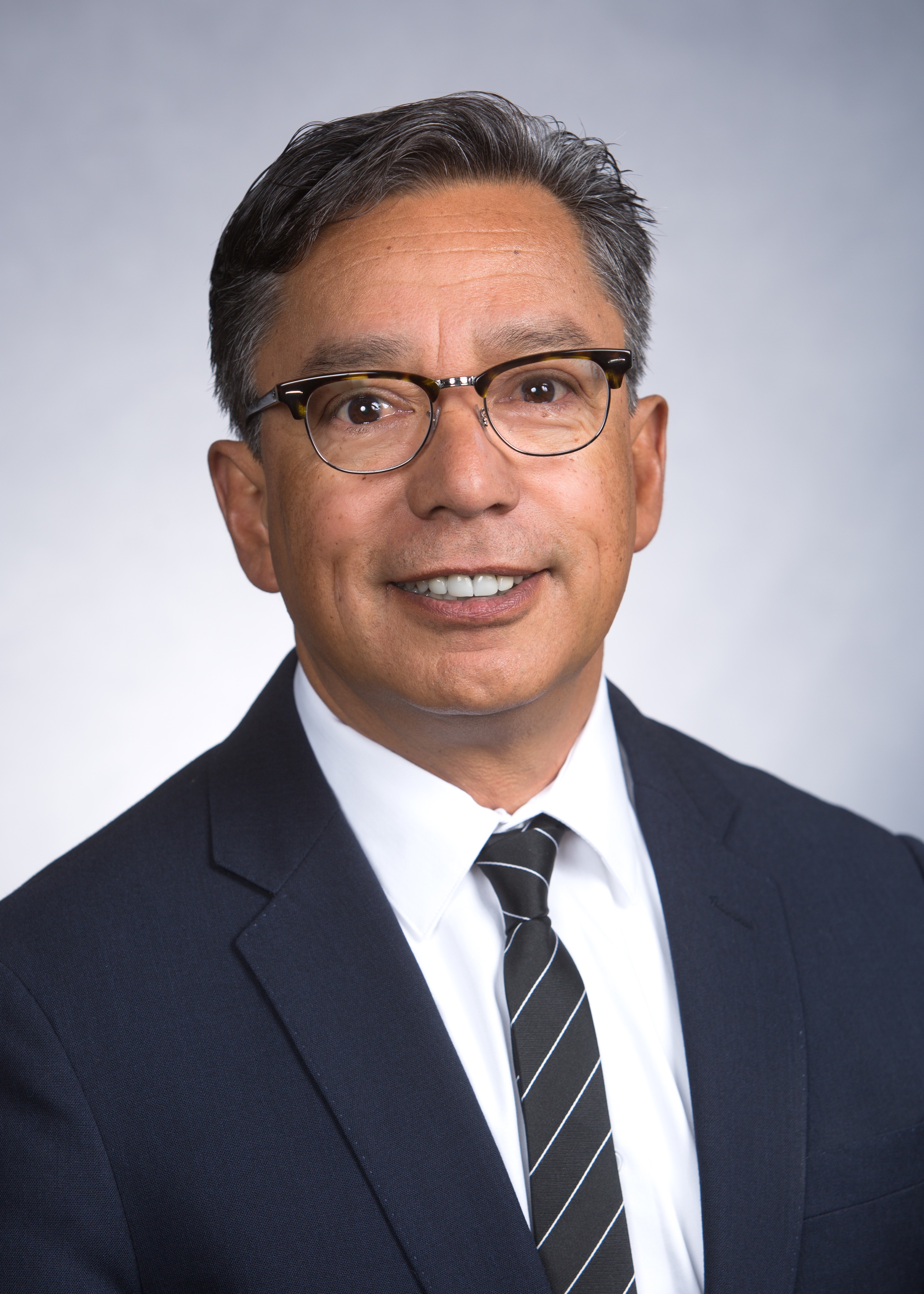
Dr. Hector Gonzalez will present his research updates to the members of the NIA Task Force on Minority Aging and Health Disparities. Dr. Gonzalez responded to the following questions about his educational profile and research:
What is your professional/educational background?
“[I have a] PhD in clinical psychology, [completed a] neuropsychology fellowship, [and have] additional training in epidemiology.”
How were you drawn to your current research?
“I thought I’d be content to practice clinical neuropsychology and provide services to Spanish-speaking communities. During my fellowship, I was drawn into population neuroscience/neuroepidemiology to have a greater impact on Latinos at the population-level.”
What was your greatest challenge in pursuing your research?
“It was very challenging to have so much education and not have a higher salary.”
What are your immediate future plans for your research?
“We recently closed SOL-INCA enrollment, and my immediate plan is to disseminate our findings. At the same time, the immediate plan, rather activities are in preparing an early competitive renewal to ensure the inclusion of the SOL-INCA program in the upcoming Visit 3 (2019/2020) of HCHS/SOL.”
How has training support from NIA helped your career?
“My NIA research training support began with being informed about which resources are available and how to gain access to those resources.”
“My faculty Minority Supplement afforded me the opportunities to get mentored hands-on clinical research experiences while building my track record to become an independent and competitive career scientist.
At this stage, I think less about my career and more about the SOL-INCA research program. The recently awarded P30 AD-RCMAR support will allow us to train diverse new scholars, build their track records while benefiting the SOL-INCA program and Latino ADRD research.”