 An official website of the United States government




NIH is launching a new, agency-wide initiative to elevate replication and reproducibility studies as foundational to the conduct of gold standard science. Driving and sustaining culture change will take ideas from and commitment across the research enterprise, and we will be engaging the scientific community in implementing our strategic vision, which will focus on:
- Driving Effective NIH Replication and Reproducibility Efforts: NIH has longstanding replication and reproducibility efforts and will continue investing in its flagship policies, resources, and programs. These include sharing and standardizing data to accelerate biomedical research discovery, making NIH research findings freely and quickly available to the public, and supporting independent replication research to generate best practices and lessons learned.
- Incentivizing Replication and Reproducibility Sciences Across the Research Enterprise: NIH will work with the scientific community to identify innovative approaches that reinforce and incentivize replication and reproducibility across the research enterprise, such as supporting competitions to develop novel reward incentives and recognize champions of rigor. Additionally, NIH will engage researchers in selecting research areas ripe for replication and reproducibility studies.
- Institutionalizing Replication and Reproducibility as a Scientific Discipline: NIH will invest in building and sustaining critical infrastructure to drive and embed replication and reproducibility throughout biomedical research. By establishing a central locus for cutting edge science, current methods and approaches, and a forum for robust debate, NIH will develop and foster the culture for driving gold standard science.
NIH will continue to update this site, including ways to engage and how to get involved. Learn more about NIH’s ongoing replication and reproducibility efforts:

Linked Discoveries
The initial phase of Linked Discoveries™ is an experimental pilot resource developed by the National Library of Medicine (NLM) that helps users explore how articles with PubMed® abstracts connect to the surrounding literature.

Grant Opportunity Forecast
Research to Improve Rigor, Replicability, and Reproducibility in Biomedical and Behavioral Sciences

NIH Replication Prize Winners: Shaping the Future of Rigorous Science
This prize competition was launched to recognize and reward progress in making important areas of biomedical research more replicable, and to encourage a culture change where replication activities are normalized as a standard part of the scientific process.

NIH Common Fund: Replication to Enhance Research Impact Initiative
Through the Replication to Enhance Research Impact Initiative (Replication Initiative), the NIH Common Fund is launching an effort to provide support to independently replicate significant lines of research and validate novel technologies.
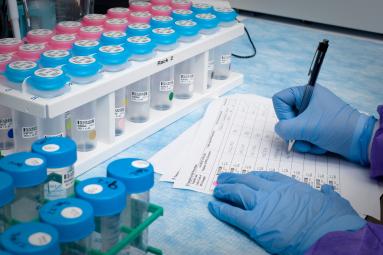
Grants and Funding: Highlighted Topic on Reproducibility
Robust, high-quality research is rooted in scientific practices that ensure rigorous and transparent experimental design, methodology, analysis, and interpretation, which improve validity and reliability of findings.

Grants and Funding: Enhancing Reproducibility through Rigor and Transparency
Two of the cornerstones of science advancement are rigor in designing and performing scientific research and the ability to reproduce biomedical research findings.

NIH's Gold Standard Science Implementation Plan
This implementation plan outlines NIH’s key accomplishments to date in delivering gold standard science to the American public and presents a transparent vision for the road ahead.