 An official website of the United States government





News
Tuberculosis test may improve diagnosis
Researchers found that a new portable diagnostic test for tuberculosis produced rapid and accurate results.

News
Blood test predicts tumor response to treatment
Researchers identified distinct cellular neighborhoods in tumors that could be measured with a blood test to predict treatment response.
More Stories
September 29, 2026 Edition

Antiviral drug did not improve Long COVID symptoms
A clinical trial for Long COVID found that treating patients with a common antiviral drug for up to 25 days did not improve symptoms.

tRNA treatment may help restore cystic fibrosis proteins
Lipid nanoparticles delivering engineered transfer RNA restored functional proteins in cell and animal models of cystic fibrosis.

Bacterial infection may alter developing gut
C. difficile bacteria caused lasting changes to cells in the intestines of newborn mice.
September 15, 2026 Edition

Depression may stall development of new neurons
Researchers discovered how a part of the brain important for memory struggles to make new neurons in people with depression.

GLP-1 drug slows aging in mice
A GLP-1 drug extended lifespan and prevented age-related decline in older female mice.

Antibodies may prevent tick-related syndrome
Researchers identified rare antibodies with the potential to combat alpha-gal syndrome, a condition that causes allergic reactions to red meat and dairy products.
September 8, 2026 Edition

Microbiome transplants may curb food allergies
Gut microbe transplants treated some peanut allergies in an early-stage clinical trial.

Endometriosis may increase type 2 diabetes risk
Researchers found that some women with endometriosis may have increased risk of developing type 2 diabetes.

Scientists identify new role for tau protein in brain diseases
A study suggests that abnormal tau proteins involved in certain neurodegenerative diseases interact with mitochondria to drive a process called reverse electron transport.
August 25, 2026 Edition

Dementia-free years may decrease with smoking, hypertension, and diabetes
Researchers found that smoking, high blood pressure, and diabetes in midlife lower the number of years a person is likely to live without dementia.

Coating stops tooth decay in children
A clinical trial found that a topical treatment called silver diamine fluoride stops cavities in young children from getting worse.

DNA organization changes in Alzheimer’s disease, aging
The 3D organization of DNA in cells changes in Alzheimer’s disease and aging, according to new research.
August 11, 2026 Edition

Childhood screen detects mental health risks
Screening for home and family stresses may help identify children at risk for depression and sleep disorders that traditional adversity screening misses.

Immune cells cross blood-brain barrier during human aging
Researchers found that some of the brain’s immune cells are replaced by immune cells from bone marrow as people age.

Improving Parkinson’s disease treatment
Researchers identified a drug candidate that enhanced effectiveness and reduced side effects of the standard Parkinson’s disease treatment in animal models.
July 30, 2026 Edition

Tracking diets via wastewater
Measuring DNA from food in wastewater could provide snapshots of dietary patterns and inform nutrition policy.

Lung tumor signals may tamp down food intake
Researchers found that a high-fat diet in mice amplifies nerve signals between certain lung cancers and the brain, leading to reduced appetite and weight loss.
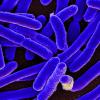
Bacteria share proteins to survive antibiotics
Researchers found that some bacteria share proteins that help others survive antibiotics.
July 14, 2026 Edition

Brain-computer device helps man speak
A man unable to talk due to paralysis successfully used a brain-computer interface system at his home to speak.

Sleep and exercise may reduce mutation-driven inflammation
Lifestyle factors may reduce inflammation caused by some mutations in blood stem cells, according to an analysis of human and mouse data.

Fructose and glucose trigger different brain responses
Scientists found glucose and fructose affect hunger-controlling brain cells and food preferences in mice differently.
July 1, 2026 Edition

Alzheimer’s proteins in blood linked to midlife cognition
A study found that people in midlife with more Alzheimer’s-related proteins in their blood had worse cognitive function.

Genetic testing may benefit more patients with melanoma
Researchers found people diagnosed with melanoma at a young age or with multiple melanomas were more likely to carry a genetic mutation linked to other types of cancer.

Senescent cells mapped in human body over the lifespan
Scientists located and classified senescent cells, a hallmark of aging, to begin building an atlas that could help inform treatment strategies for age-related diseases.
June 17, 2026 Edition

Immune system may attack nervous system in some Long COVID patients
Researchers linked antibodies that attack the body’s nervous system to some neurological symptoms of Long COVID.

Depression screening using video games
Game-like tasks to measure the unconscious way the brain assesses rewarding experiences could help doctors screen patients more quickly for depression.

AI tool could speed antibiotic development
Researchers developed and tested a system to improve the antibacterial effects of existing compounds.