 An official website of the United States government




Event Details
Description of Event
Virtual Only.
2024-12-05T19:00:00Z 2024-12-05T17:00:00Z Office of Autoimmune Disease Research The Cancer Autoimmune Connection: Decoding the Paradox Event Information
The purpose of the OADR-ORWH ScienceTALKS series is to examine the state of the science in specific areas impacting research on autoimmune disease and health in women. This session of Science Talks is focused on the connection of the pathways involved in cancer and autoimmune disease development and will bring together experts in the field to generate discussion and identify opportunities to advance research as it pertains to the link between autoimmune diseases and cancer.
Target Audience: This session is designed for a scientific audience with an interest in autoimmune disease research. The event is open to the public, but scientific talks may not be tailored for a general audience.
Speakers
|
Image
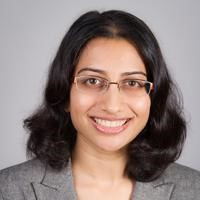
| Ami Shah, M.D., M.H.S. Director and Professor of Medicine, Division of Rheumatology Co-Director, Johns Hopkins Scleroderma Center Johns Hopkins University School of Medicine Ami Shah, M.D., M.H.S., is a professor of medicine and director of the Division of Rheumatology at the Johns Hopkins University School of Medicine. Dr. Shah also serves as the co-director of the Johns Hopkins Scleroderma Center. She is a graduate of the Massachusetts Institute of Technology and Johns Hopkins University School of Medicine. She completed her internal medicine residency training at Stanford University Hospital and Clinics and rheumatology postdoctoral fellowship and Master of Health Science in clinical investigation at Johns Hopkins. Dr. Shah has an active research program studying various aspects of scleroderma and Raynaud’s phenomenon. She is investigating the connection between cancer and scleroderma, as her group’s early data suggest cancer may drive the development of scleroderma in some patients. She also conducts epidemiological studies and participates in clinical trials to examine (a) methods to detect cardiopulmonary complications in scleroderma, (b) biological and imaging markers of Raynaud’s severity, (c) drugs that may improve various aspects of the disease (such as skin, lung, or vascular complications), and (d) the newly emerging area of rheumatic immune-related adverse events due to immune checkpoint inhibitor therapy. Dr. Shah’s clinical practice is focused on the broad spectrum of patients with scleroderma, Raynaud’s, and related disorders, and she teaches postdoctoral fellows in her clinic about the evaluation and management of scleroderma. Dr. Shah serves on the Scientific Advisory Council of the Rheumatology Research Foundation and on the Steering Committee of the United States Collaborative National Quality and Efficacy Registry for Tracking Disease Progression in Systemic Sclerosis (CONQUER) Registry. She is a founding co-principal investigator of the U.S. Rheumatology Adverse Events due to Immunotherapy Observational Study (RADIOS) Consortium. In 2018, Dr. Shah's research contributions were recognized at the 5th Systemic Sclerosis World Congress with receipt of the Edith Busch Prize for Young Investigators. In 2020, she was honored to receive the Henry Kunkel Young Investigator Award from the American College of Rheumatology. |
|
Image
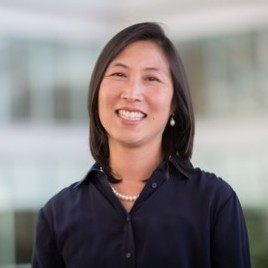
| Maureen A. Su, M.D. Morrison Family Endowed Chair and Professor Microbiology, Immunology, & Molecular Genetics and Pediatrics Associate Director, UCLA/Caltech Medical Scientist Training Program University of California, Los Angeles Maureen A. Su, M.D., is a professor of microbiology, immunology, and molecular genetics and of pediatrics at the University of California, Los Angeles (UCLA). She also serves as associate director of the UCLA/Caltech Medical Scientist Training Program. Dr. Su received her combined bachelor’s and master’s degrees from Harvard College and her M.D. degree from Harvard Medical School. She completed her pediatrics residency and fellowship in endocrinology at the University of California, San Francisco. As a physician-scientist, her long-term goal is to understand what causes autoimmune diseases in order to develop therapeutics that prevent and treat underlying immune conditions. Her work has focused on understanding autoimmune polyendocrinopathy syndrome, autoimmunity against the peripheral nervous system, and type 1 diabetes. Using knowledge gained from studying autoimmunity, she is developing ways to harness the autoimmune response to fight off cancer. |
|
Image
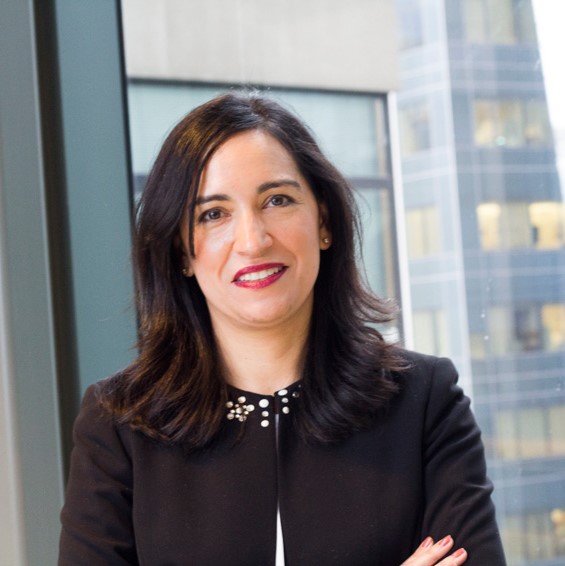
| Ana C. Anderson, Ph.D. Professor of Neurology The Gene Lay Institute of Immunology and Inflammation Harvard Medical School and Brigham and Women's Hospital Institute Member, Broad Institute Ana C. Anderson, Ph.D., is a professor of neurology at Harvard Medical School, senior scientist at the Brigham and Women’s Hospital, institute member of the Broad Institute, and core faculty member of the Gene Lay Institute of Immunology and Inflammation. She obtained her B.S. in microbiology and immunology from the University of Miami and her Ph.D. in immunology from Harvard University. Dr. Anderson’s laboratory identified the inhibitory molecule, Tim-3, as a key regulator of T cell dysfunction in cancer. Prior to working in the field of cancer immunology, Dr. Anderson worked in the field of autoimmunity. Dr. Anderson has published over 65 original papers, 24 reviews, and 5 book chapters. She has been recognized as a Highly Cited Researcher in Immunology, with multiple papers ranking in the top 1% of her field every year since 2020. Her work on T cell cross-reactivity in autoimmunity was selected by Nature Immunology as a “Classic Paper in Autoimmunity.” |
Agenda
| Time | Session |
|---|---|
| 12:00–12:05 p.m. | Welcome and Opening RemarksVictoria Shanmugam, MBBS, MRCP, FACR, CCD Director NIH Office of Autoimmune Disease Research in the Office of Research on Women’s Health |
| 12:05–12:35 p.m. | The Link Between Scleroderma and CancerAmi Shah, M.D., M.H.S. Director and Professor of Medicine, Division of Rheumatology Co-Director, Johns Hopkins Scleroderma Center Johns Hopkins University School of Medicine |
| 12:35–1:05 p.m. | What Can Cancer Immunotherapy Teach Us About Autoimmune Endocrinopathies? Maureen A. Su, M.D. Morrison Family Endowed Chair and Professor Microbiology, Immunology, & Molecular Genetics and Pediatrics Associate Director, UCLA/Caltech Medical Scientist Training Program University of California, Los Angeles (UCLA) |
| 1:05–1:35 p.m. | Stem-Like T Cells in Cancer and Autoimmunity Ana C. Anderson, Ph.D. Professor of Neurology The Gene Lay Institute of Immunology and Inflammation Harvard Medical School and Brigham and Women's Hospital Institute Member, Broad Institute |
| 1:35–1:55 p.m. | Panel Question and AnswerAmi Shah, M.D., M.H.S. Johns Hopkins University School of Medicine Maureen A. Su, M.D. University of California, Los Angeles Ana C. Anderson, Ph.D. Harvard Medical School Moderators: Lillian Kuo, Ph.D. Program Director Cancer Immunology, Hematology, and Etiology Branch Division of Cancer Biology National Cancer Institute Heiyoung Park, Ph.D. Program Director Scleroderma, Fibrosis, and Autoinflammatory Disease Program Division of Extramural Research National Institute of Arthritis and Musculoskeletal and Skin Diseases |
| 1:55–2:00 p.m. | Closing Remarks |
Special Accommodations
Sign language interpreting services are available upon request. Individuals who need interpreting services and/or other reasonable accommodations to participate in this event should email OADRInfo@nih.gov . Requests should be made at least five business days in advance of the event.
Videocast
Watch the videocast below or view it in fullscreen here .
America/New_York