 An official website of the United States government




Define the Brain Mechanisms Underlying Complex Behaviors
Through basic science, researchers endeavor to answer fundamental questions about the mechanisms (e.g., brain, behavioral, environmental, psychosocial) that contribute to cognition, perception, motivation, and social behavior. We have seen extraordinary progress in basic science over the past several years, including in neuroscience.
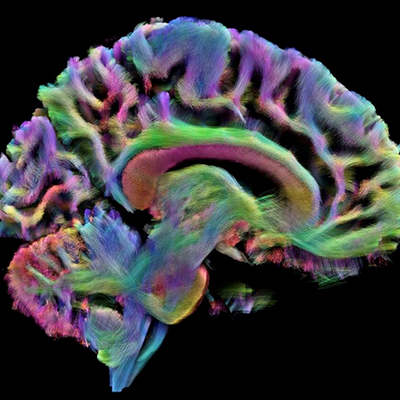
New tools have enabled precise mapping and the ability to modulate brain circuits across model systems, from cells in a dish to the human brain. New techniques have improved the resolution of structural and functional imaging in humans. New sensor technologies are transforming the study of behavior. These new tools, techniques, and technologies will help us piece together the many complex connections among genes, the brain, and behavior. Researchers are also exploring how these aspects of mental function become altered in mental illnesses.
The brain is composed of a vast number and variety of connected cells, which makes it challenging to understand how they function during complex behavior. New single-cell multimodal analysis technologies used by the BRAIN Initiative Cell Census Network and the BRAIN Initiative Cell Atlas Network hold promise to overcome this challenge by creating a comprehensive census (“parts list”) of neuronal and glial cell types involved in complex behaviors in mental health and in mental disorders. Researchers are now mapping long-distance brain connections and looking at their variability in unprecedented detail. To address the range of individual variation in brain circuits, the Human Connectome Project provided a reference atlas of neuronal connectivity—or a connectome—of 1,200 healthy brains. A complementary program, the BRAIN initiative Connectivity Across Scales program, aims to generate brain wiring diagrams across multiple spaciotemporal scales and developmental stages. The characterization of circuit function in the brain is augmented by the efforts of the BRAIN Initiative Armamentarium program, whose goal is to apply the precision of molecular targeting to generate tools to map, monitor, and manipulate specific neural circuits that underlie complex behavior.
The genomics revolution, fueled by technological advances, has revealed insights into the genetic architecture of mental illnesses and neurodevelopmental disabilities. Over the past several years, large, replicated genomic studies have revealed many common and rare variants associated with the most heritable conditions (e.g., schizophrenia, bipolar disorder, autism). We are also making strides in identifying the genetic and nongenetic factors that control gene expression and play other roles in mental health and illness. While we have gone from few clues to many, we still cannot fully explain the root causes of mental illnesses. Researchers have begun the task of sorting through the complex patterns of genomic variation and environmental moderators to define and elucidate how these variations confer risk and resilience. We now know hundreds of locations in the genome where genetic variation raises risk for psychiatric disorders. Because most participants in these studies have been of European descent, more research is needed to determine whether the findings may be applicable to all. NIMH is expanding efforts to increase the diversity of the study participants across our genomics research to better benefit people of all racial and ethnic groups. Researchers are also exploring the role of nongenomic factors (e.g., the environment, experience, the microbiome) and their impact on the risk for mental illnesses, including their impact on gene expression.
We seek to understand how the interplay of molecular, cellular, circuit-level, genetic, and environmental factors influence the development of mental illnesses through animal and human studies. Multidisciplinary approaches integrating statistics, mathematics, physics, computer science, and engineering will help us begin to explain how our brain predicts, interprets, alters, and responds to a complex world. Through basic science, we will achieve a more refined understanding of the brain mechanisms underlying complex behaviors, which will drive progress toward the novel interventions of tomorrow.
The following Objectives further define this Goal:
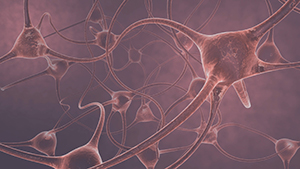
To truly transform our understanding of mental illnesses, we need to identify the roles of all brain cell types and circuits in the myriad aspects of mental processes. Knowing how brain cells work together in circuits to drive cognitive, affective, and social processes will inform future circuit-based preventive and treatment interventions. New tools and techniques that span units of analysis (e.g., genes, molecules, cells, circuits, physiology, behavior) will transform our understanding of the brain, thus fostering our understanding of mental illnesses.
To better elucidate the brain mechanisms underlying cognitive, affective, and social processes, NIMH will support research that employs the following Strategies:
Strategy 1.1.A: Characterizing the genomic, molecular, cellular, and circuit components contributing to brain organization and function
Interest areas include:
- Determining the functional properties and dynamic interactions of neurons, glia, and immune cells, and the effects of neuron-glia coupling on brain function and mental health-relevant behaviors.
- Exploring the genomic, molecular, and physiological factors in cell-to-cell variation and determining the functional consequences of this variation.
- Applying advanced neuroanatomical and functional approaches to map neural circuits at micro-, meso- and macro-scales.
Strategy 1.1.B: Identifying the developmental, functional, and regulatory mechanisms relevant to cognitive, affective, and social domains, across units of analysis
Interest areas include:
- Elucidating the developmental processes that lead to the establishment of functional brain networks subserving these domains, including modifying factors (e.g., genomic, experiential) affecting these trajectories.
- Identifying the mechanisms that mediate normal cellular communication and plasticity at the level of molecular control, signal transduction, synapses, circuits, and/or behavior. Examining how alterations of these mechanisms may disrupt function; such mechanisms may involve non-neural components (e.g., immune system, microbiome, blood-brain barrier, vasculature).
- Developing and validating experimentally grounded theories for how the brain computes within these domains across spatiotemporal scales and levels of neurobiological abstraction (e.g., coordinated neural activity patterns and network state changes).
- Applying novel behavioral assays of the domains that are causally linked to specific mechanisms at multiple units of analysis (e.g., genetic, molecular, cellular, circuit, physiological, behavioral, systems). These approaches will be prioritized over studies relying on traditional behavioral tests that presume congruence with human symptoms of mental illnesses and do not give insight into the function of the circuit(s) under investigation.
- Evaluating the preclinical utility of modifying cellular, synaptic or circuit function for therapeutic benefit.
Strategy 1.1.C: Generating and validating novel tools, techniques, and measures to quantify changes in the activity of molecules, cells, circuits, and connectomes
Interest areas include:
- Developing novel assays that can be used to interrogate key regulators of cellular communication using in situ and circuit-based models for screening, target discovery, and development of novel probes of cell function.
- Advancing human cell-based assays using induced pluripotent stem cells (iPSCs) for studying the molecular factors in mental illnesses, with an emphasis on optimizing robustness, scalability, reproducibility, and fidelity to in vivo human cell phenotypes, maturation, three-dimensional organization, and/or circuit function.
- Developing novel, age-appropriate imaging assays with higher spatial and temporal resolution for visualization and analyses of brain structure, maturation, connectivity, and function, with particular emphasis on advancing real-time measurement approaches.
- Developing innovative computational tools for the analysis and interpretation of neural activity including single unit, local field potentials, and other electrophysiological temporal dynamic patterns.
- Developing and validating novel, objective physiological and behavioral measures as research tools to assess synaptic plasticity and circuit function in experimental systems, and as assays for assessing therapeutic targets in humans.
- Advancing objective, quantitative assays to track, manipulate, and analyze behavior at high temporal resolution in a range of species, ages, and settings, and across multiple modalities and systems.
- Developing noninvasive assays for interrogating and manipulating brain circuit function for therapeutic purposes.
- Advancing novel assays to develop biomarkers of disease and for therapeutic discovery.
Strategy 1.1.A: Characterizing the genomic, molecular, cellular, and circuit components contributing to brain organization and function
Interest areas include:
- Determining the functional properties and dynamic interactions of neurons, glia, and immune cells, and the effects of neuron-glia coupling on brain function and mental health-relevant behaviors.
- Exploring the genomic, molecular, and physiological factors in cell-to-cell variation and determining the functional consequences of this variation.
- Applying advanced neuroanatomical and functional approaches to map neural circuits at micro-, meso- and macro-scales.
Strategy 1.1.B: Identifying the developmental, functional, and regulatory mechanisms relevant to cognitive, affective, and social domains, across units of analysis
Interest areas include:
- Elucidating the developmental processes that lead to the establishment of functional brain networks subserving these domains, including modifying factors (e.g., genomic, experiential) affecting these trajectories.
- Identifying the mechanisms that mediate normal cellular communication and plasticity at the level of molecular control, signal transduction, synapses, circuits, and/or behavior. Examining how alterations of these mechanisms may disrupt function; such mechanisms may involve non-neural components (e.g., immune system, microbiome, blood-brain barrier, vasculature).
- Developing and validating experimentally grounded theories for how the brain computes within these domains across spatiotemporal scales and levels of neurobiological abstraction (e.g., coordinated neural activity patterns and network state changes).
- Applying novel behavioral assays of the domains that are causally linked to specific mechanisms at multiple units of analysis (e.g., genetic, molecular, cellular, circuit, physiological, behavioral, systems). These approaches will be prioritized over studies relying on traditional behavioral tests that presume congruence with human symptoms of mental illnesses and do not give insight into the function of the circuit(s) under investigation.
- Evaluating the preclinical utility of modifying cellular, synaptic or circuit function for therapeutic benefit.
Strategy 1.1.C: Generating and validating novel tools, techniques, and measures to quantify changes in the activity of molecules, cells, circuits, and connectomes
Interest areas include:
- Developing novel assays that can be used to interrogate key regulators of cellular communication using in situ and circuit-based models for screening, target discovery, and development of novel probes of cell function.
- Advancing human cell-based assays using induced pluripotent stem cells (iPSCs) for studying the molecular factors in mental illnesses, with an emphasis on optimizing robustness, scalability, reproducibility, and fidelity to in vivo human cell phenotypes, maturation, three-dimensional organization, and/or circuit function.
- Developing novel, age-appropriate imaging assays with higher spatial and temporal resolution for visualization and analyses of brain structure, maturation, connectivity, and function, with particular emphasis on advancing real-time measurement approaches.
- Developing innovative computational tools for the analysis and interpretation of neural activity including single unit, local field potentials, and other electrophysiological temporal dynamic patterns.
- Developing and validating novel, objective physiological and behavioral measures as research tools to assess synaptic plasticity and circuit function in experimental systems, and as assays for assessing therapeutic targets in humans.
- Advancing objective, quantitative assays to track, manipulate, and analyze behavior at high temporal resolution in a range of species, ages, and settings, and across multiple modalities and systems.
- Developing noninvasive assays for interrogating and manipulating brain circuit function for therapeutic purposes.
- Advancing novel assays to develop biomarkers of disease and for therapeutic discovery.

A full understanding of the multifaceted contributors to risk for mental illnesses requires examination of genomic, epigenomic, and other factors, including the environment and experience. Understanding how these factors contribute to adaptive and maladaptive behaviors, mental function and dysfunction, and mental illnesses is critical for developing improved diagnostics and interventions that are effective for a range of populations. The genetic architecture of mental illnesses is extraordinarily complex. While the field of genomics has achieved remarkable advances in the past few years, the exact mechanisms that place certain individuals and populations at higher risk than others remain unknown. We need comprehensive approaches to understand genomic and non-genomic risk factors, and such investigations must consider all populations. To facilitate the transition of knowledge to practice, we need novel study designs, advanced genomic technologies, (e.g., long-read Whole Genome Sequencing, single-cell multi-omic parallel sequencing, and other emerging methodologies) and innovative statistical and bioinformatic methods. These approaches will help us to revolutionize the analysis and interpretation of genetic associations and will speed the transition of this knowledge to practice.
To more effectively identify the genomic and non-genomic factors associated with mental illnesses, NIMH will support research that employs the following Strategies:
Strategy 1.2.A: Discovering gene variants and other genomic elements that contribute to the development of mental illnesses in a range of populations
Interest areas include:
- Performing large, well-powered, genome-wide multi-omic studies in appropriate tissues.
- Elucidating genetic architecture and heritability across the full allele frequency spectrum.
- Mapping and identifying causal variants within risk loci.
- Analyzing co-heritability and shared genetic risk architecture using cross-trait analyses.
- Collecting and genomically characterizing ancestrally diverse cohorts.
Strategy 1.2.B: Advancing our understanding of the complex etiology of mental illnesses using molecular epidemiologic approaches that incorporate individual genetic information in large cohorts
Interest areas include:
- Conducting robust, well-powered, and unbiased genome-wide x phenome-wide association studies by leveraging large-scale genetic and phenotypic/exposure data from biobanks, health systems, and other population-scale cohorts.
- Conducting Mendelian randomization studies that identify modifiable exposures mediating or mitigating risk for mental illnesses.
- Developing epidemiologic studies that incorporate individual polygenic risk scores, and other genetic markers of risk, and leveraging existing large, population-based cohorts, including ethnically and ancestrally diverse cohorts, registries, and/or health systems to conduct analyses that advance understanding of the complex etiologies, trajectories, comorbidities, and treatment responses of severe mental illnesses.
Strategy 1.2.C: Elucidating how human genetic variation affects the coordination of molecular, cellular, and physiological networks supporting higher-order functions and emergent properties of neurobiological systems
Interest areas include:
- Creating human molecular reference maps from defined cell types and circuits.
- Elucidating the relationship between genomic features, such as gene regulatory elements and chromatin structure, and the spatiotemporal dynamics of gene and protein expression in healthy individuals and those with mental illnesses.
- Assembling reference, multi-omic molecular maps (e.g., epigenomic, transcriptomic, proteomic) across development, regions, and cell types of the human brain.
- Mapping quantitative trait loci (e.g., expression, methylation, histone acetylation, chromatin accessibility) across development, regions, and cell types of the human brain.
- Identifying the developmental periods, signaling pathways, cell types, and neural systems driving disease pathogenesis in humans.
Strategy 1.2.D: Developing novel tools and techniques for the analysis of large-scale genetic, multi-omic data as it applies to mental health
Interest areas include:
- Increasing the power and reliability of genome-wide multi-omic studies in appropriate tissues.
- Integrating multi-omic datasets from tissues and single cells.
- Integrating phenotype data spanning multiple units (e.g., genetic variation, gene expression, electrophysiology, neuroimaging, behavior).
- Focusing on robust genome-wide and brain-wide association studies, genome-wide x phenome-wide interaction studies, and genome-wide epistasis detection.
Most of what we currently know about human brain circuits comes from studying healthy functioning. To understand changes in neural structure and function related to mental illnesses, we must apply the research tools we have in hand to characterize the neural circuits implicated in mental illnesses across all backgrounds. It is becoming increasingly possible to map both proximal and distal neural connectivity in the brain, enabling an understanding of the relationships between neuronal structure and function at the systems level. To develop comprehensive understanding of neural connectivity in mental illnesses, we must extend existing structural and functional mapping to the cellular level. Connectomic studies of the brain are bringing us innovative tools and technologies. Emerging developments include robust molecular markers for synapses, new tracers for identifying circuit inputs and outputs, high density electrode arrays, novel neurotransmitter sensors, and novel microscopy techniques to reconstruct brain circuits. New technologies are faster, less expensive, and scalable for anatomic reconstruction of neural circuits at all biological scales. Focused studies of circuit disruption in mental illnesses will be essential to translate knowledge gained from these technologies into novel targets for therapeutics.
To better characterize and analyze the neural circuit mechanisms involved in mental illnesses, NIMH will support research that employs the following Strategies:
Strategy 1.3.A: Utilizing connectomic approaches to identify brain networks and circuit components that contribute to various aspects of mental function and dysfunction
Interest areas include:
- Conducting brain-wide analyses to determine which neural circuits drive network patterns associated with a pathology.
- Characterizing network components at the molecular, single-cell, morphological, microenvironmental, or circuit level that contribute to risk for mental illnesses.
- Conducting connectomic studies during brain development, from prenatal to late adulthood.
Strategy 1.3.B: Determining through brain-wide analysis how changes in the physiological properties of molecules, cells, and circuits contribute to mental illnesses
Interest areas include:
- Investigating how molecular, cellular, and/or circuit-level changes in the brain, or changes in response to environmental factors, affect the coordination of neural activity patterns (very large-scale samples) during cognitive function, emotional regulation, and social cognition at one or more stages of development, from prenatal to late adulthood.
- Investigating causal approaches for the manipulation of brain oscillatory rhythms associated with optimal cognitive function, to understand their potential as treatment targets for cognitive dysfunctions in mental disorders.
Strategy 1.3.C: Developing molecular, cellular, and circuit-level biomarkers of impaired neural function in humans
Interest areas include:
- Validating translatable biomarkers using analysis of neural circuits; combining approaches, such as those that assess or detect synaptic integrity, plasticity, and function; as well as immune signaling activity and cells that affect neural circuits.
- Integrating molecular and genomic data from large-scale multi-omic studies with connectomics and functional approaches in humans to formulate multi-level hypotheses regarding circuit function and dysfunction in mental illness.
- Testing the causal nature of circuit-based hypotheses in animal, computational, and human experimental systems.
Strategy 1.3.D: Developing innovative technologies—including new imaging, computational, electrophysiological, pharmacological, and genetic tools—to interrogate and modulate circuit activity and structure altered in mental illnesses
Interest areas include:
- Creating or improving methods to investigate the connectivity of brain networks, at total or very large scale, and during one or more stages of development that are relevant to mental illnesses, including age-appropriate, novel imaging tools for visualization and analyses of brain structure and function.
- Pioneering strategies to use circuit-based technologies to identify circuit-specific intervention targets.
- Developing novel technologies to modulate specific circuit elements with the potential for translation into humans.
Goal 1 Progress
How the Brain Creates New Memories While Maintaining Old Ones
A new study funded by the National Institutes of Health uncovered patterns in the activation of old and new memories during sleep that keep these memories separate.
Study Illuminates the Structural Features of Memory Formation at the Cellular and Subcellular Levels
In a study supported by NIMH, researchers revealed the structural underpinnings of memory formation across a broad network of neurons in the mouse brain.
Study Illuminates the Genetic Architecture of Bipolar Disorder
Largest-ever genome-wide study of a diverse group of people with bipolar disorder sheds new light on the genetic architecture underlying the disorder.
Brain Connectivity Linked With Cognition in People With Early Psychosis
An NIMH-funded study identified consistent links between brain connectivity and cognitive function in people with early stage psychosis and people at high risk who later developed psychosis.
Researchers Fully Map Neural Connections of the Fruit Fly Brain
A scientific team supported by the National Institutes of Health (NIH) unveiled the first complete map of the neural connections of the common fruit fly brain.
Youth With Conduct Disorder Show Widespread Differences in Brain Structure
The largest neuroimaging study of conduct disorder to date, with funding from NIH, has revealed extensive changes in brain structure among young people with the disorder. The largest difference was a smaller area of the brain’s outer layer, known as the cerebral cortex, which is critical for many aspects of behavior, cognition and emotion.
Noninvasively Stimulating Deep Brain Areas to Treat Depression Symptoms
In a new neuroimaging study funded by the National Institute of Mental Health, researchers used repetitive transcranial magnetic stimulation to target regions deep in the brain to help reduce depression symptoms.
Scientists Map Networks Regulating Gene Function in the Human Brain
An NIMH-funded research consortium has produced the largest and most advanced multidimensional maps of gene regulation networks in the brains of people with and without mental disorders.
Understanding the Underpinnings of Sensory Hypersensitivity in SCN2A-Associated Autism
In this NIMH-supported study, researchers investigated the neural underpinnings of sensory hypersensitivity in SCN2A-associated autism.
Study Reveals Potential Neural Marker for Social Impairment in Psychotic Disorders
Research funded by NIMH found a link between a low level of social interest among people with psychotic disorders and brain regions in the social motivation system.
NIH Researchers Identify Brain Connections Associated With ADHD in Youth
Researchers at the National Institutes of Health (NIH) have discovered that symptoms of attention-deficit/hyperactivity disorder (ADHD) are tied to atypical interactions between the brain’s frontal cortex and information processing centers deep in the brain.
Researchers Expand Understanding of Genetic Mechanisms Underlying Fragile X Syndrome
An NIMH-supported study of the 3D genome revealed widespread silencing of genes with important roles in brain function in fragile X syndrome and related disorders.
Scientists Unveil Complete Cell Map of a Whole Mammalian Brain
For the first time ever, an international team of researchers has created a complete cell atlas of a whole mammalian brain.
Scientists Unveil Detailed Cell Maps of the Human Brain and the Nonhuman Primate Brain
A group of international scientists have mapped the genetic, cellular, and structural makeup of the human brain and the nonhuman primate brain, allowing for a deeper knowledge of the cellular basis of brain function and dysfunction, helping pave the way for a new generation of precision therapeutics for people with mental disorders and other disorders of the brain.
Researchers Solve the Puzzle of a Brain Receptor’s Activation
Researchers in a NIMH-supported study identified a new receptor for glycine that helps enhance communication between nerve cells in the brain and offers a potential new target for treating mental disorders.
Newly Discovered Brain Connection Affects Reward Behavior in Mice
NIMH-funded research sheds light on how negative early life experiences may impact how we act in response to rewards, which is often disrupted in people with mental illnesses.
Researchers Find Order in the Language of the Brain
New research supported by NIMH used mathematical approaches to explain how neurons in the brain communicate over time to support information processing.
Researchers Unlock Genetic Mutations Contributing to Disorders in the Brain
Researchers identified novel genes with mosaic mutations contributing to treatment-resistant pediatric epilepsy and pointing to specific disrupted pathways in cortical development.
NIMH Creates Publicly Accessible Resource With Data From Healthy Volunteers
The NIMH Healthy Research Volunteer Study aims to build a comprehensive, publicly accessible resource with a range of brain and behavioral data from healthy volunteers.
T Cells Help HIV Enter and Persist in the Brain
A recent NIMH-supported study sheds light on the role of a unique set of T cells in trafficking HIV infection into the brain and mediating the virus’ persistence there.
Researchers Map the Genetic Landscape of Schizophrenia in the Brain
In a comprehensive postmortem genetic analysis of the caudate nucleus in the brain, NIMH-supported researchers identified many genes associated with schizophrenia risk, including a gene that regulates the flow of the chemical messenger dopamine.
Rare Genetic Variation in 10 Genes Substantially Raise the Risk for Schizophrenia
In one of the largest genetic studies of its kind researchers funded by the National Institute of Mental Health identified variations in 10 genes that significantly raise the risk for schizophrenia—information that could help identify new treatment targets.
NIH BRAIN Initiative Launches Projects to Develop Cell Atlases and Molecular Tools for Cell Access
The National Institutes of Health has launched two transformative projects supported by the Brain Research Through Advancing Innovative Neurotechnologies® (BRAIN) Initiative: The BRAIN Initiative® Cell Atlas Network and the Armamentarium for Precision Brain Cell Access.
Tool Uses Light to Inhibit Neural Activity in Mice
Researchers supported by NIH have developed a way to genetically insert a type of light receptor into neurons. The new technique enables the researchers to suppress the neuron’s activity using pulses of light.
Autism and Congenital Heart Disease Share Underlying Molecular Network
A recent study of gene networks may hold some promising clues about shared mechanisms underlying autism spectrum disorder and congenital heart disease, two physiologically distinct disorders that often co-occur.
NIH BRAIN Initiative Unveils Detailed Atlas of the Mammalian Primary Motor Cortex
The NIH Brain Research Through Advancing Innovative Neurotechnologies® (BRAIN) Initiative Cell Census Network (BICCN) has unveiled an atlas of cell types and an anatomical neuronal wiring diagram for the mammalian primary motor cortex, derived from detailed studies of mice, monkeys, and humans.
Genomic Data From More Than 41,000 People Shed New Light on Bipolar Disorder
In the largest genome-wide association study of bipolar disorder to date, researchers found about twice as many genetic locations associated with bipolar disorder as reported in previous studies. These and other findings help improve our understanding of the biological origins of bipolar disorder.
Eating Disorder Behaviors Alter Reward Response in the Brain
A new NIMH-supported study found that eating disorder behaviors alter the brain’s reward response process and food intake control circuitry, which can reinforce the behaviors.
NIMH’s Dr. Andrea Beckel-Mitchener Named Deputy Director of NIH BRAIN Initiative
Andrea Beckel-Mitchener, Ph.D., has been named deputy director of the trans-NIH Brain Research through Advancing Innovative Neurotechnologies (BRAIN) Initiative.
New Experiences Enhance Learning by Resetting Key Brain Circuit
A study of spatial learning in mice shows that exposure to new experiences dampens established representations in the brain’s hippocampus and prefrontal cortex, allowing the mice to learn new navigation strategies.
Gene Readouts Contribute To Distinctness of Mental Disorders
A new study conducted by researchers at NIMH suggests that differences in the expression of gene transcripts – readouts copied from DNA that help maintain and build our cells – may hold the key to understanding how mental disorders with shared genetic risk factors result in different patterns of onset, symptoms, course of illness, and treatment responses.
NIH-funded Study Sheds Light on Abnormal Neural Function in Rare Genetic Disorder
A genetic study has identified neuronal abnormalities in the electrical activity of cortical cells derived from people with a rare genetic disorder called 22q11.2 deletion syndrome.
Genetic Variations Highlight the Importance of Metabolic Processes in Anorexia
The need to identify effective targets for intervention in anorexia nervosa is pressing, as patient outcomes are often poor. An NIMH-funded genome-wide association study suggests that metabolic processes may play an important role in the disorder, offering a promising new avenue for investigation.
Study Shows Highly Reproducible Sex Differences in Aspects of Human Brain Anatomy
A scientific analysis of more than 2,000 brain scans found evidence for highly reproducible sex differences in the volume of certain regions in the human brain.
Brain Cells Can Harbor and Spread HIV Virus to the Body
Researchers funded by NIMH have found that astrocytes, a type of brain cell, can harbor HIV and then spread the virus to immune cells that traffic out of the brain and into other organs.
Large-Scale Genetics Study Sheds Light on Developmental Origins of Autism
Researchers were able to identify different types of rare genetic variations associated with autism spectrum disorder by analyzing data shared via the NIMH-funded Autism Sequencing Consortium.sm Sequencing Consortium