 An official website of the United States government




Scientists build largest maps to date of cells in human brain
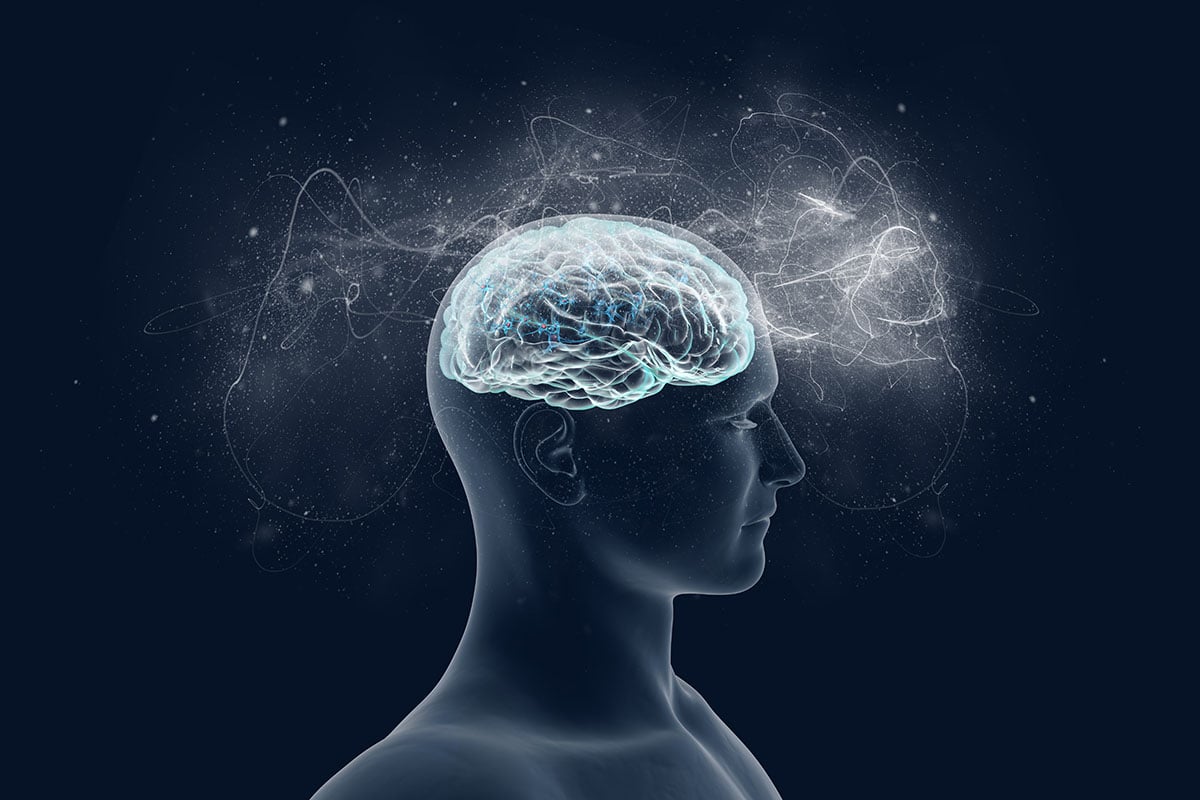
An international network of researchers created detailed cellular maps of human and nonhuman animal brains. The scientists created the most detailed cell atlas yet of the adult human brain. They also compared human and nonhuman primate brains and found gene activity patterns that were unique to humans. These and other findings could lead to future advances for a host of mental conditions and brain disorders.
Scientists build largest maps to date of cells in human brain Male contraceptive disables sperm
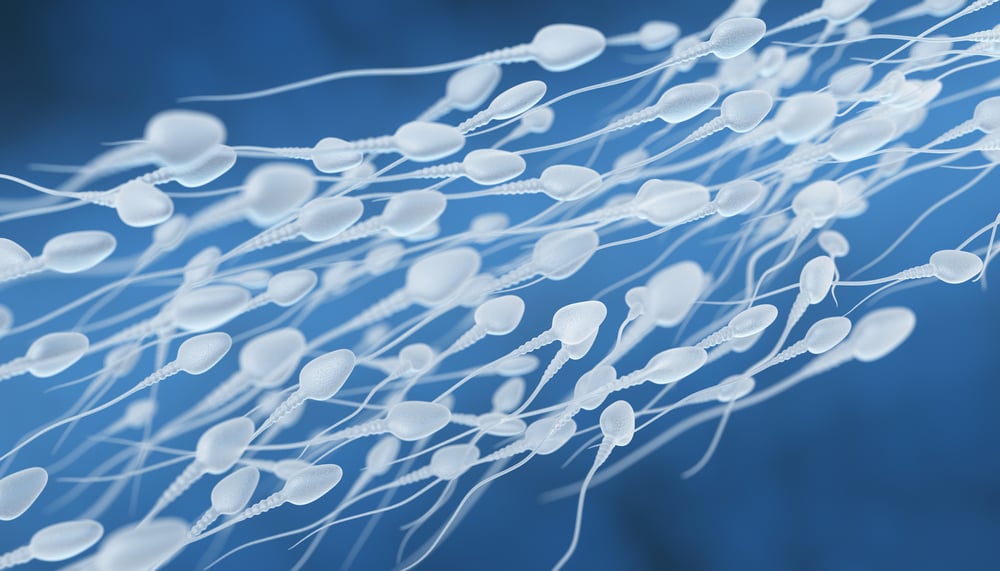
Researchers developed a compound that temporarily disabled mouse and human sperm. It worked by inhibiting an enzyme that sperm need in order to move. Treating male mice with the compound prevented pregnancies without affecting mating behavior. Male fertility returned to normal by 24 hours after treatment. The findings could potentially lead to a non-hormonal, on-demand contraceptive pill for men.
Male contraceptive disables sperm Immune boost may protect against multiple hospital-acquired infections
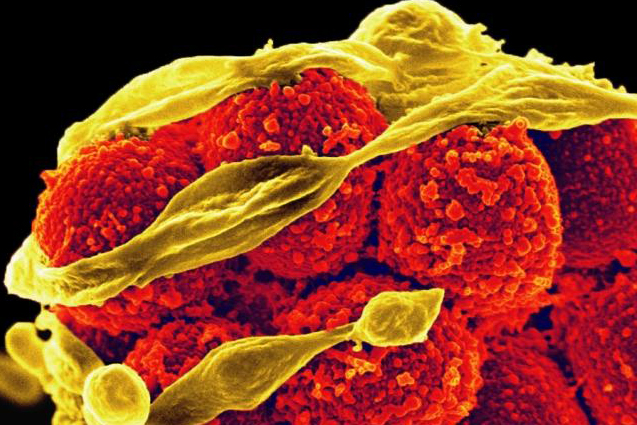
Traditional vaccines train the body to recognize a specific microbe. Researchers designed a novel type of vaccine that stimulated the innate immune system, the body's first line of defense against infection. The vaccine provided protection for mice against a wide range of bacteria and fungi. If effective in people, the approach could help prevent deaths from hospital-acquired infections.
Immune boost may protect against multiple hospital-acquired infections How psychedelic drugs may help with depression
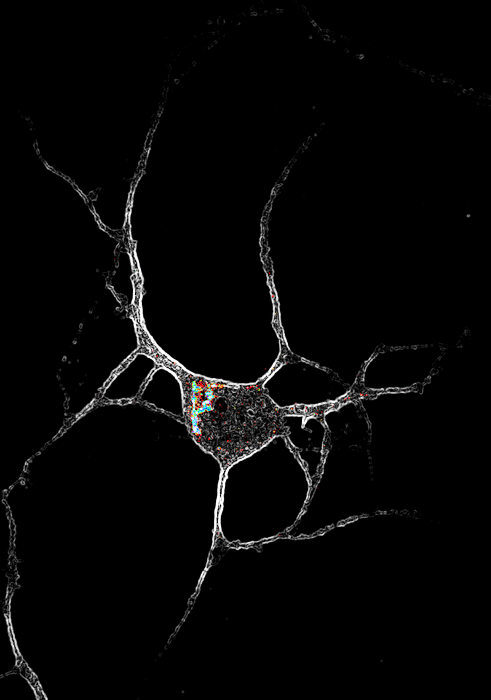
Some psychedelic drugs are being tested as therapies for certain mental illnesses. These drugs work by binding receptors that promote plasticity—the brain's ability to form new connections. Researchers found that these compounds needed to cross nerve cell membranes to activate receptors inside cells. Activating the same receptors on the cell surface did not promote plasticity. The findings could lead to drugs that encourage brain plasticity without hallucinogenic effects.
How psychedelic drugs may help with depression Gut microbes may affect motivation to exercise
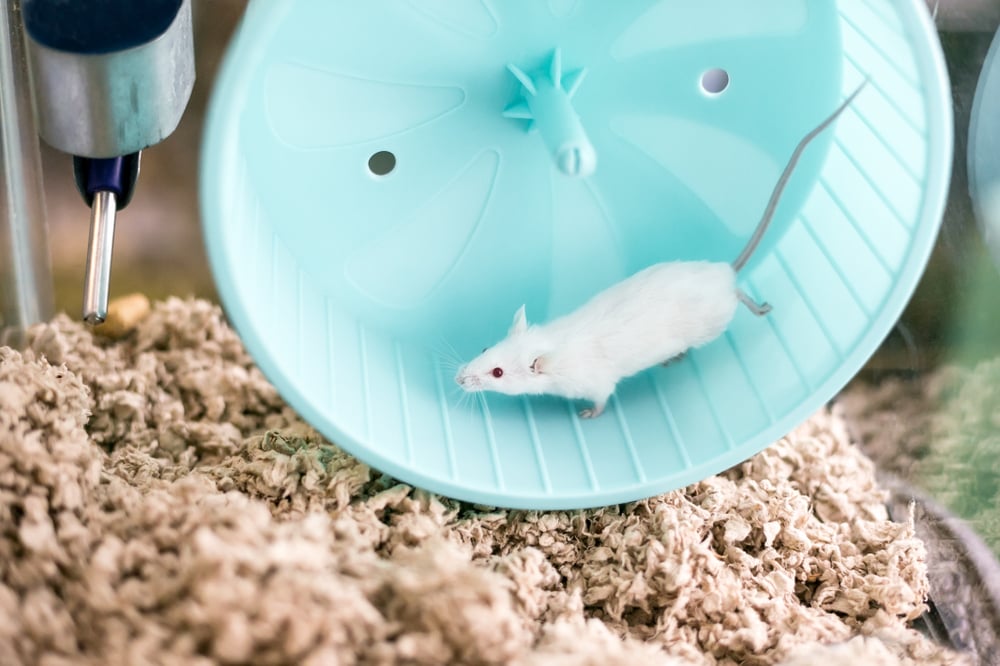
Researchers found that gut microbes can affect levels of exercise in mice. Depleting the gut microbiome stopped dopamine increases in mice brains after exercise. It also caused the mice to exercise less and get exhausted more easily. Further experiments revealed how the gut microbes raise dopamine levels in the brain. The findings, if confirmed in humans, suggest strategies that might help encourage people to exerci