 An official website of the United States government




June 2025 Spotlight

Spotlight
Discovery Lake Dam Repair
Discovery Lake Dam was constructed in the Research Triangle Park (RTP) campus in 1977 to control flooding. As time went on, the internal drainpipes deteriorated
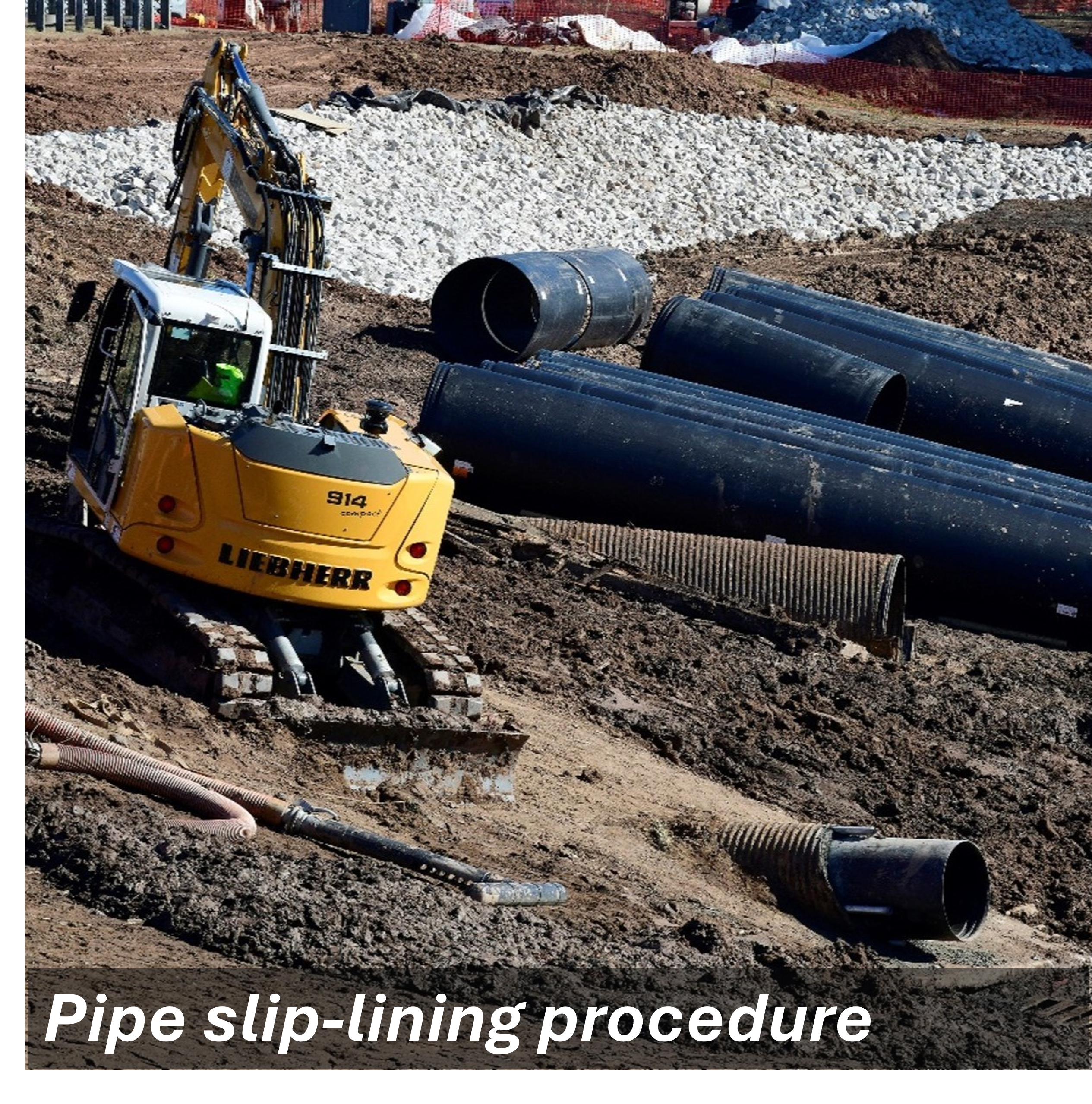
“The repair was accomplished through slip-lining, which means that slightly smaller plastic pipes were inserted into the existing, original metal pipes."
This method was used with delicacy in mind, minimizing land disturbance and maintaining the dam's structural integrity. The project also repaired the shoreline using rock walls, riprap and vegetation. In order to make these restorations, the 29-acre lake was drained in October 2024, and refilling began in March of this year.
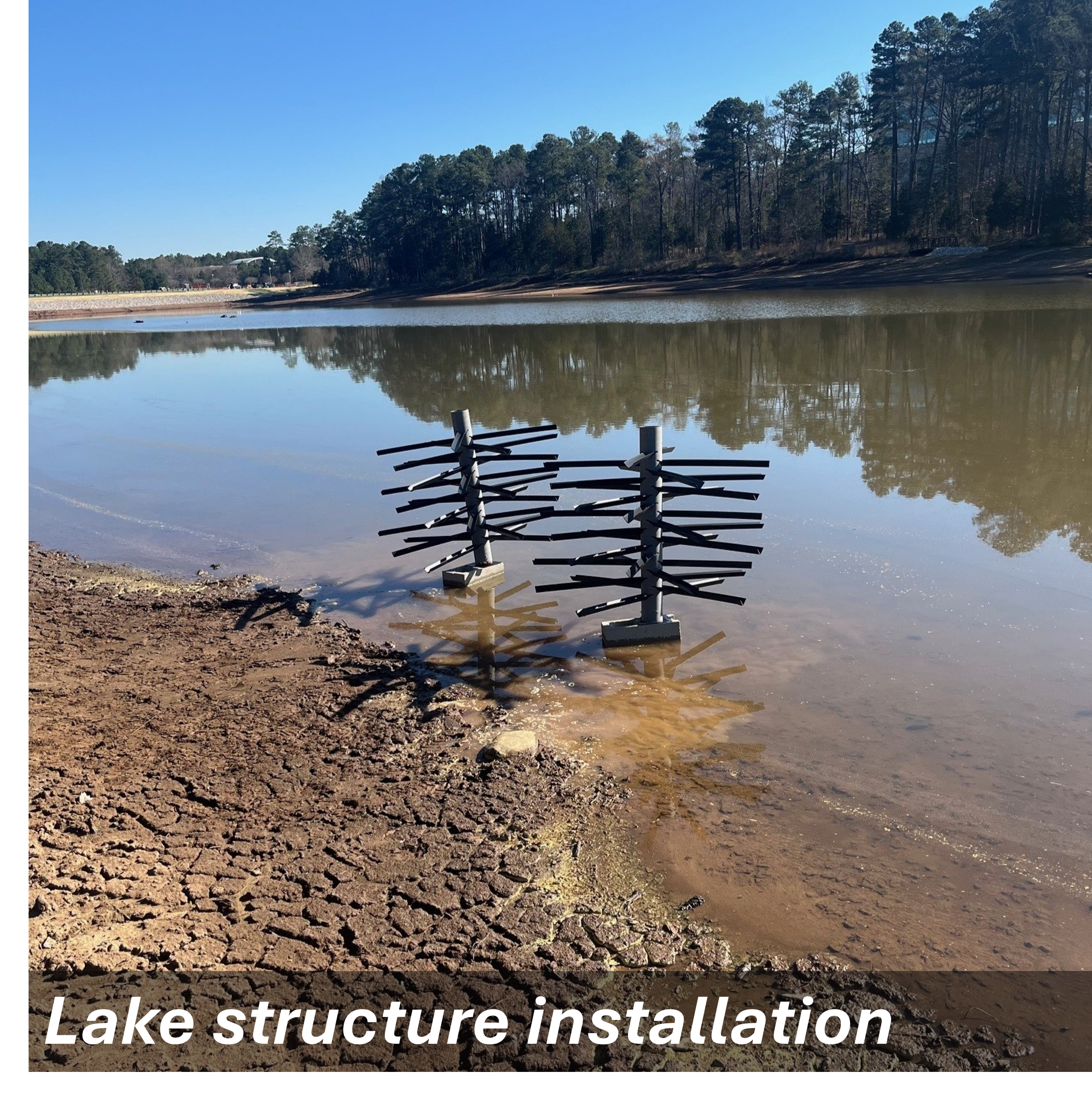
“Volunteers assembled and installed fish structures at several near shore locations to enhance aquatic habitat."
Discovery Lake, previously known as NIEHS Lake, Drew Lake, or Noname Lake, is a significant contributor to the ecosystem at RTP. It serves as a habitat or source of food for all sorts of creatures, from deer and foxes to beavers and otters. Throughout the duration of the project, Bill and his team found out some interesting facts about the wildlife.
“Turtles seem to disappear from Discovery Lake each winter. We learned that this annual disappearance is called brumation. During the brumation period, which is a hibernation-like state of conserving energy, turtles bury themselves in the mud on the lake bottom."
With the dam repair complete, Discovery Lake can return to being an epicenter of inspiration for the RTP campus, while also keeping the surrounding area safe from flooding.
“Discovery Lake is the centerpiece of the NIEHS / EPA Campus for employees and wildlife. The lake… host[s] a variety of aquatic and terrestrial animals including… around 150 different bird species. Markers along the lake trail provide… employee enrichment."
For the full interview,
Featured Article
|
Image
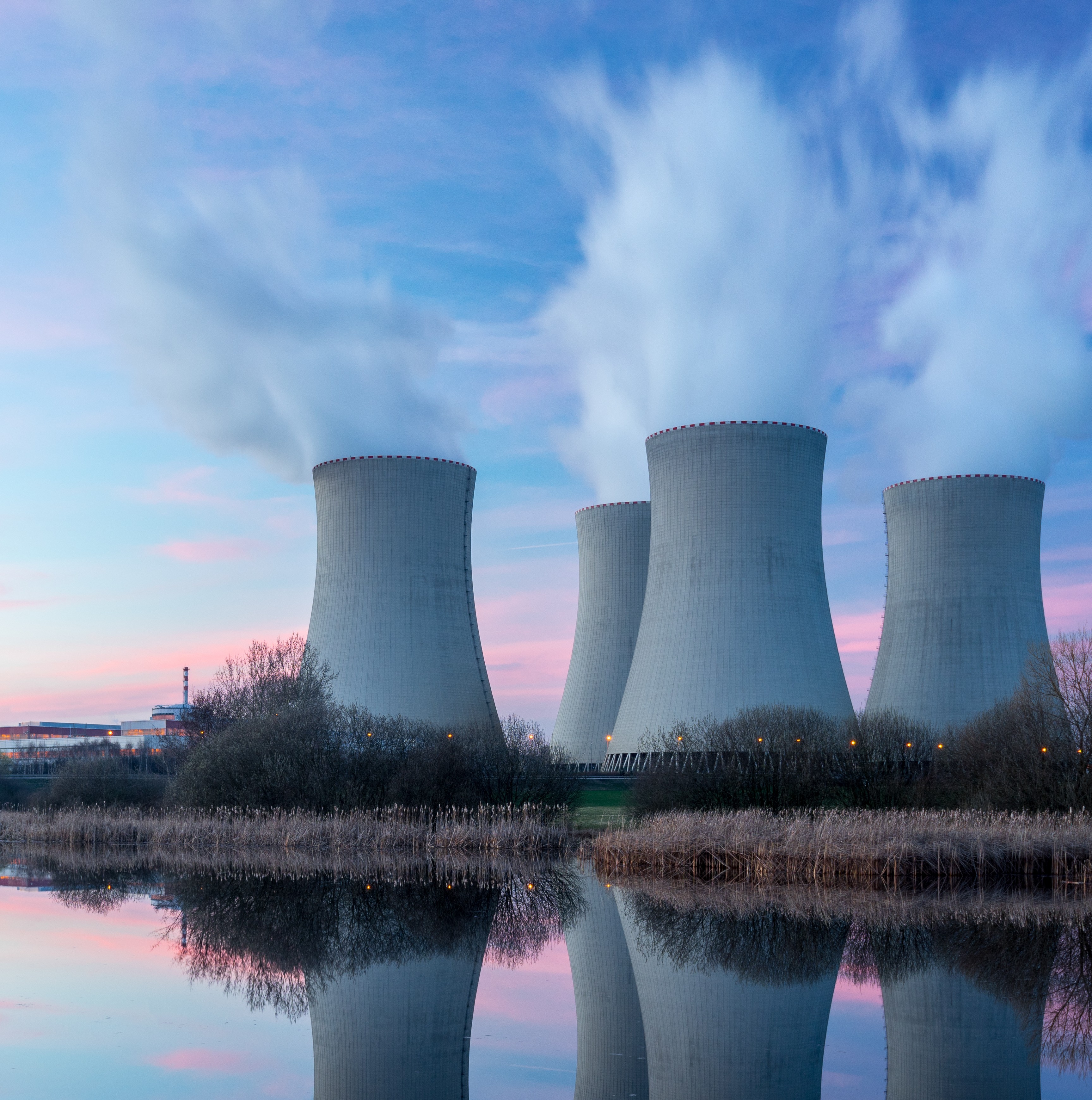
| Towards a Nuclear Future Nuclear energy is the highest-potential energy source available today. Nuclear power plants inspire feelings of awe, fear, promise and peril. The ever-growing need for reliable, clean and efficient energy is driving a shift in attitudes which the Administration is responding to. LEARN MORE |
Take Action
|
Image

| 2025 GREEN Bingo Board If you weren't able to get a bingo last year, then get ready for round two of the GREEN Bingo Board! Commit yourself to reducing resource use and improving the environment by trying these 25 initiatives throughout the year. See if you can tick off more boxes than your colleagues! LEARN MORE |
Fun Fact
Did you know?At Research Triangle Park, the name “Discovery Lake" was chosen from over 500 entries submitted by employees in a lake naming contest during the summer of 2012. The lake had previously been called NIEHS Lake, Drew Lake, Noname Lake, and unnamed tributary to Burdens Creek.
Newsletter Feedback
If you found this article useful, please let us know! We appreciate hearing how we might improve our future articles, including topics you would like to read about. Please take a moment to complete this quick feedback form:
NIH Green Zone Newsletter Feedback Form
| The NIH Green Zone Newsletter is a publication intended to inform NIH staff about the Division of Environmental Protection and NIH Green Teams projects and initiatives. The text contained in this newsletter is not copyrighted and can be reprinted without permission. If you use portions of this newsletter in your own publication, we ask that you please credit the source. We welcome your comments and suggestions . Thank you. |
|---|
Division of Environmental Protection | Office of Research Facilities | Office of Management National Institutes of Health | U.S. Department of Health and Human Services |