 An official website of the United States government




Effects of repeated head trauma in young athletes
Scientists found that repeated head impacts from contact sports can cause early and lasting changes in the brains of young- to middle-aged athletes.
Researchers gained new insights into the changes in the brains of young athletes that may lead to chronic traumatic encephalopathy. The findings suggest that repetitive head impacts cause brain changes much earlier than previously thought. Understanding how these changes occur, and how to detect them during life, could lead to better prevention strategies and treatments to protect young athletes.
Effects of repeated head trauma in young athletes Cancer cells can cooperate to grow
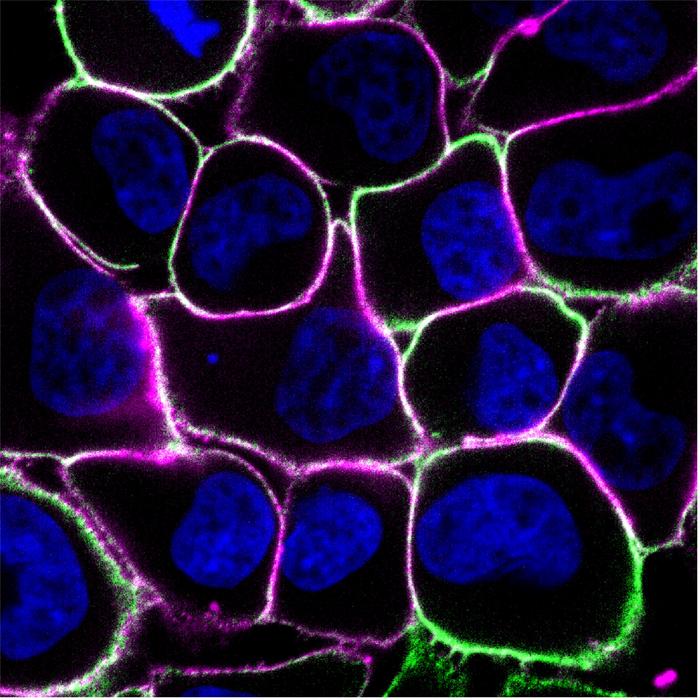
Cancer cells often compete with each other and surrounding normal cells for nutrients, oxygen, and other resources. However, studies suggest that cells in tumors may sometimes need to cooperate to survive. Scientists found that, when deprived of amino acids, cancer cells can cooperate to extract and share them from their environment. Blocking a certain protein shut down this cooperation, suggesting a potential target for cancer treatment.
Cancer cells can cooperate to grow Progress toward a broad-spectrum antiviral
Promising research suggests it may be possible to develop broad-spectrum antiviral drugs by targeting carbohydrates instead of proteins on viral surfaces.
Broad-spectrum antibiotics can combat a wide range of bacteria that cause infections. But there hasn’t been a similar broad-spectrum treatment against viruses that’s approved for human use. Scientists identified small molecules that bind to carbohydrates on viral surfaces to block infections by a wide range of viruses. The findings suggest it may be possible to develop a broad-spectrum antiviral drug to combat serious viral infections.
Progress toward a broad-spectrum antiviral Sound waves stimulate stroke recovery in mice
Mice that did not receive ultrasound treatment (top row) showed little evidence of microglia branching (green). In contrast, mice receiving the treatment (bottom row) had extensive microglia branching.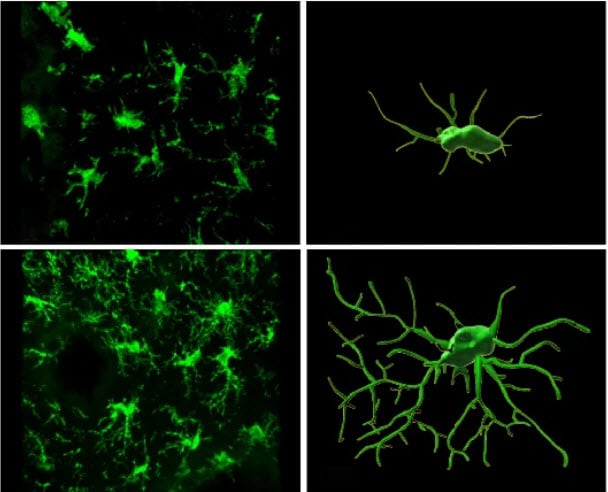
Each year nearly 800,000 Americans experience a stroke. Researchers used high-frequency sound waves in mouse models of stroke to clear away harmful cellular debris and improve outcomes. This noninvasive approach might be used to more safely and quickly treat people with strokes caused by burst blood vessels.
Sound waves stimulate stroke recovery in mice Understanding the developing brain
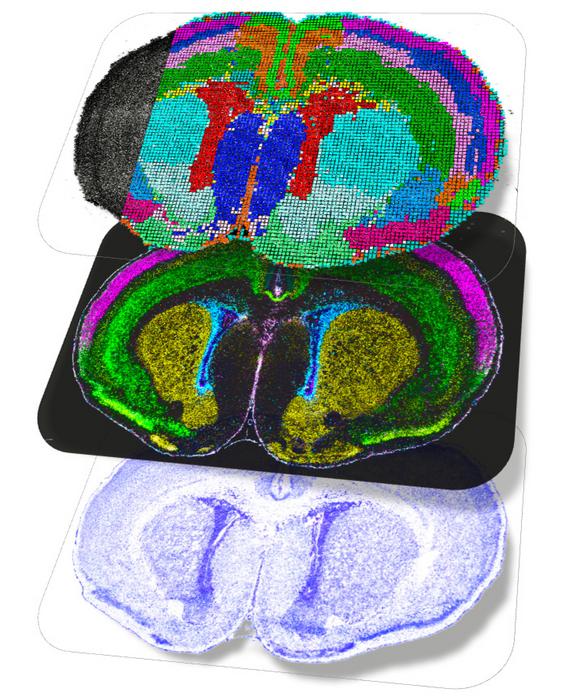
Researchers in the NIH-funded BRAIN Initiative Cell Atlas Network (BICAN) released comprehensive cell atlases of the developing human, mouse, and non-human primate brains. In a series of several papers, they described the complex events that create different cell types, revealing features common to mammals and those unique to the human brain.