 An official website of the United States government




Accurate blood test for Alzheimer’s disease
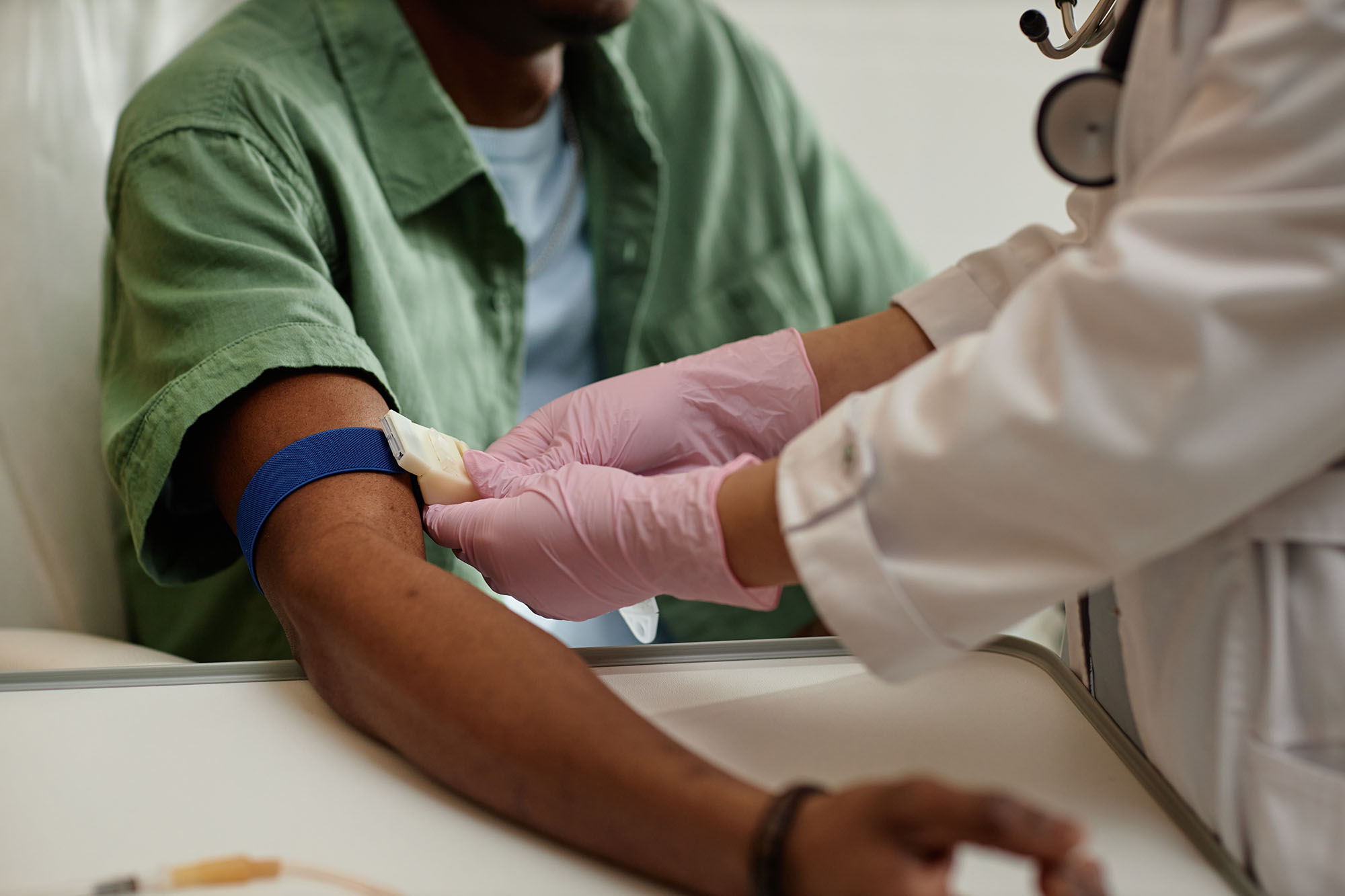
An accurate diagnosis of Alzheimer’s disease currently requires either a sample of cerebrospinal fluid or a brain imaging test called a PET scan. Researchers have been working to develop blood tests to simplify this process. In a large clinical trial, one blood test identified Alzheimer’s disease correctly in older adults with about 90% accuracy. Such tests could help speed diagnoses and help more people access earlier treatments.
Accurate blood test for Alzheimer’s disease Blood test predicts 30-year cardiovascular disease risks for women
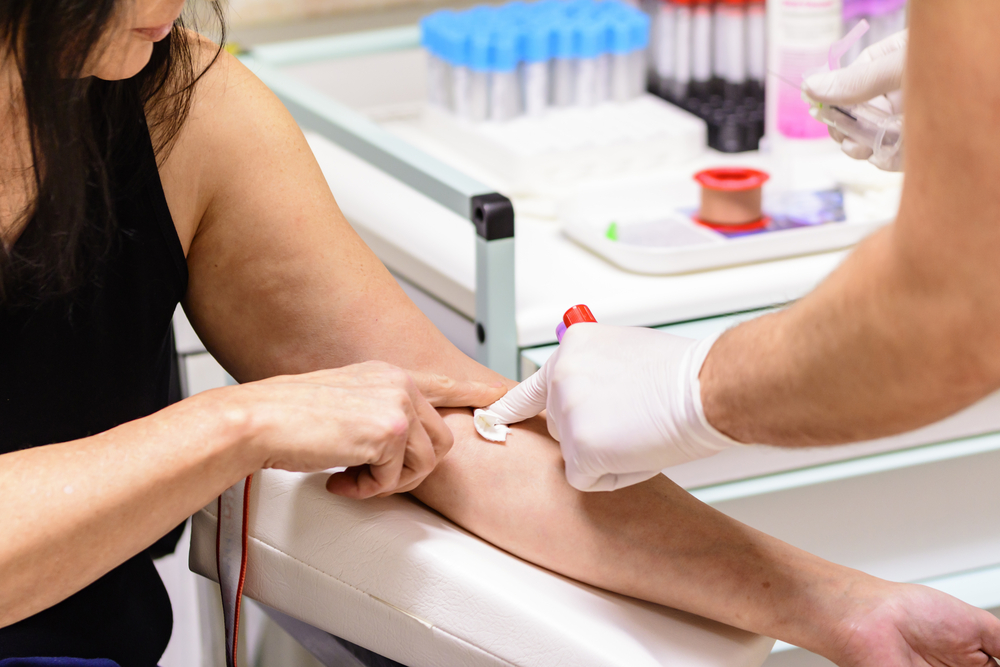
More than 800,000 people nationwide die of cardiovascular diseases, including heart attack and stroke, every year. Researchers found that a blood test to measure levels of three compounds, including a marker of inflammation, could predict a woman’s risk for cardiovascular disease decades later. Identifying people at high risk of cardiovascular disease earlier in their lives could lead to more opportunities for prevention.
Blood test predicts 30-year cardiovascular disease risks for women Preventing and treating peanut allergy

Food allergies can be dangerous or even fatal. Millions of people in the U.S. live with a peanut allergy, which often develops in childhood. A long-term study found that children who regularly ate peanut-containing foods beginning as early as four to six months of age had a greatly reduced risk of developing peanut allergy into adolescence . For kids who already have a food allergy, a drug used to treat allergic asthma reduced the risk of reactions to peanuts and other common foods .
Brain-computer interface helps paralyzed man speak
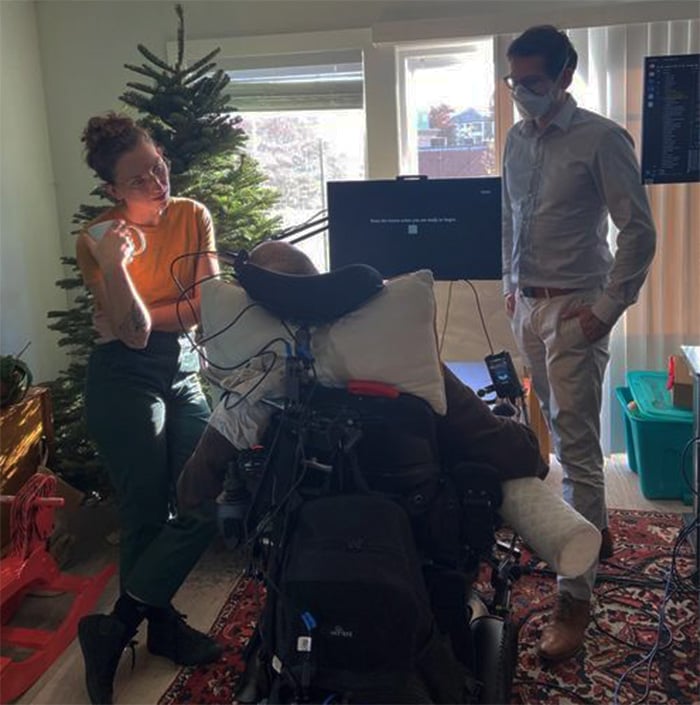
Researchers developed a highly accurate brain-computer interface that allowed a man to communicate after his ability to speak was impaired by amyotrophic lateral sclerosis (ALS). The system used an array of microelectrodes in the brain to decode neural signals. Within 16 hours of use, the system could decode about 98% of words correctly. Such devices could eventually allow people with paralysis to converse with family and friends.