 An official website of the United States government




Study suggests Epstein-Barr virus may cause multiple sclerosis
Infections by Epstein-Barr virus usually cause no symptoms, but a growing body of research suggests it plays a role in multiple sclerosis. Kateryna Kon / Shutterstock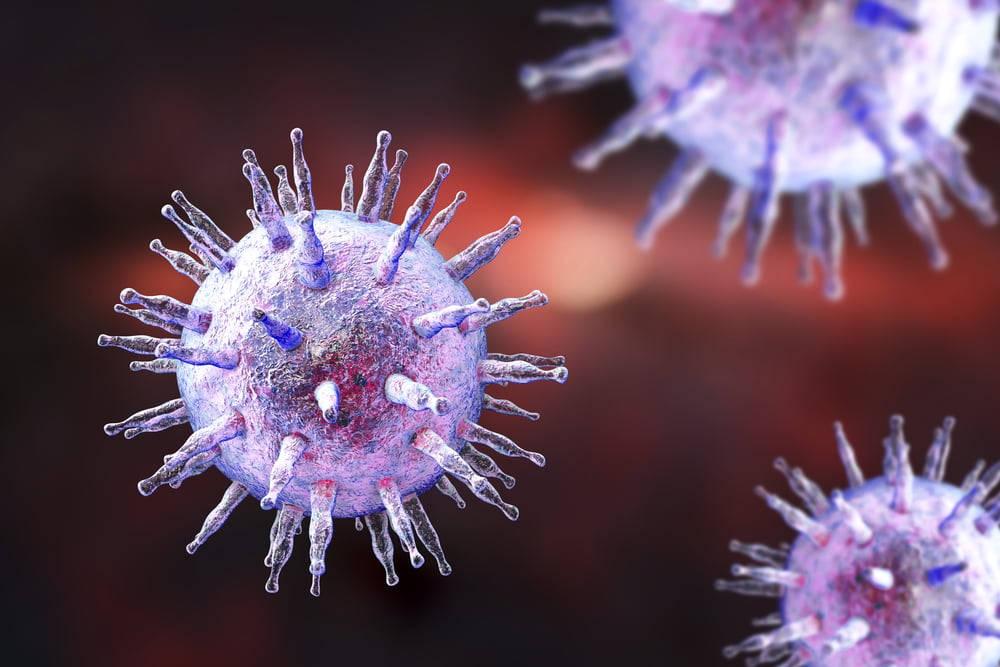
The underlying causes of multiple sclerosis, a devastating autoimmune disease that affects the central nervous system, have been unclear. Using blood samples from more than 10 million people, researchers found that previous infection with Epstein-Barr virus dramatically increased the odds of developing multiple sclerosis. The finding suggests that vaccines against Epstein-Barr could help prevent the disease.
Study suggests Epstein-Barr virus may cause multiple sclerosis Getting ahead of COVID-19 variants

Vaccines and treatments have lowered the risk of severe disease and death from SARS-CoV-2, the virus that causes COVID-19, but new variants continue to pose challenges. Researchers have refined how to use wastewater sampling to track variants of the virus throughout entire cities. Others confirmed that rapid tests developed for earlier versions of SARS-CoV-2 can still identify current variants of concern and interest . Scientists developed new treatments now undergoing further testing, such as a nasal spray to prevent or treat COVID-19 . And an experimental vaccine, tested in animals, produced an immune response to a wide range of coronaviruses , including some that weren't part of the vaccine—suggesting the vaccine could protect against future variants of SARS-CoV-2 as well as other coronaviruses.
Boy asleep at a desk with his head on a book Highlighting the importance of sleep

much they slept also took in fewer calories , with enough of a reduction to lead to clinically important weight loss over time. Another large study found that pre-teens who slept less than nine hours daily had differences in brain structure and more problems with mood and thinking compared to those who got sufficient sleep. These results highlight the importance of adequate sleep to improve both physical and mental health.
Restoring cell and organ function after the heart stops
Without a steady supply of oxygen from the blood, the process of cell death begins within minutes. In a new study, researchers developed a system that restored cellular function in a pig’s organs more than an hour after its heart stopped. With further improvements, such technology could eventually help repair organ damage from heart attack or stroke. It might also be used to preserve organs for transplantation.
Restoring cell and organ function after the heart stops Impacts of racial segregation on health

Racial residential segregation—in which racial or ethnic groups live in separate, unequal neighborhoods—tends to concentrate factors that contribute to racial disparities in health. In a study of housing and health, researchers found that racial residential segregation may compound the harms of lead exposure and impede children's cognitive development. Another study found that air pollution in racially segregated communities contained more toxic metals than in well-integrated communities . These results show the importance of a holistic approach, including health, environment, and society, to reducing such disparities.
Night breathing patterns identify people with Parkinson’s disease

Currently, there are no markers that can be easily measured in the blood or with imaging tests to diagnose Parkinson's disease. In a new study, an advanced computer program was able to identify people with Parkinson’s disease from their breathing patterns during sleep. It could also track small changes in the disease over time. If these results are confirmed, such a program could help in the early detection of Parkinson’s disease.
Night breathing patterns identify people with Parkinson’s disease Progress toward an eventual HIV vaccine
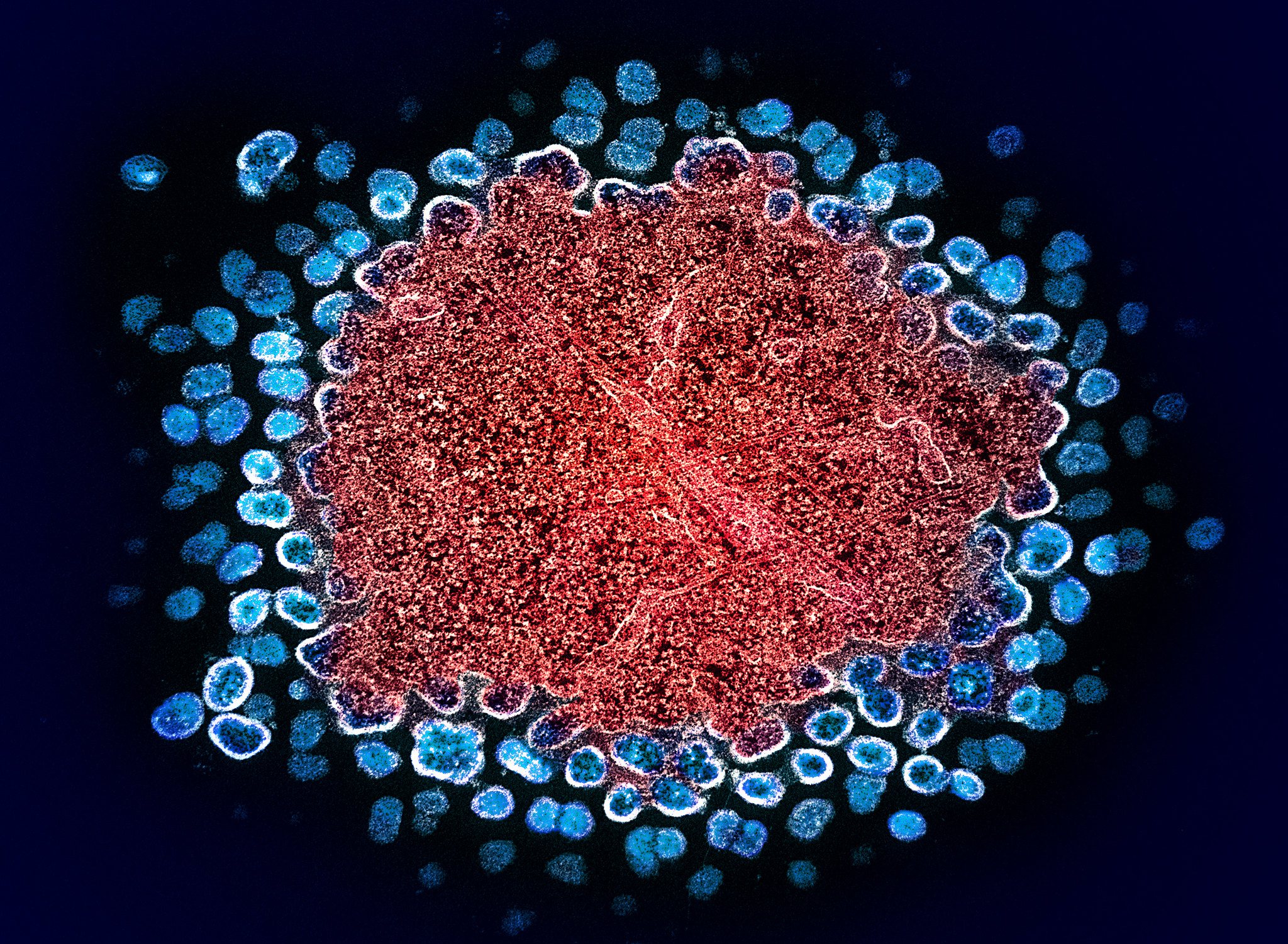
Developing a vaccine against HIV has been challenging because there are countless variants worldwide, and the immune system doesn’t normally make antibodies that can protect against such wide-ranging variants. Researchers have made recent progress in overcoming these hurdles. In one new study, scientists delivered an experimental HIV vaccine to monkeys using increasing doses over several days. This slow vaccine delivery led to long-lasting and diverse antibody production . In other research, an experimental HIV vaccine elicited broadly neutralizing antibody precursors in people , a crucial step toward making antibodies that can neutralize many HIV strains at once. With further development, such approaches could eventually lead to an effective vaccine strategy for HIV and AIDS.
Machine learning approach detects brain tumor boundaries
Glioblastoma, a type of brain tumor, can be hard to distinguish from normal brain tissue, complicating treatments such as surgery. In a new study using technology called federated machine learning, data from thousands of patients with glioblastoma were used to develop an accurate model for detecting tumor boundaries while preserving patient privacy. This approach could be adapted to provide insights in other fields where data are scarce, such as rare diseases or underrepresented populations.