 An official website of the United States government




Understanding SARS-CoV-2 infection
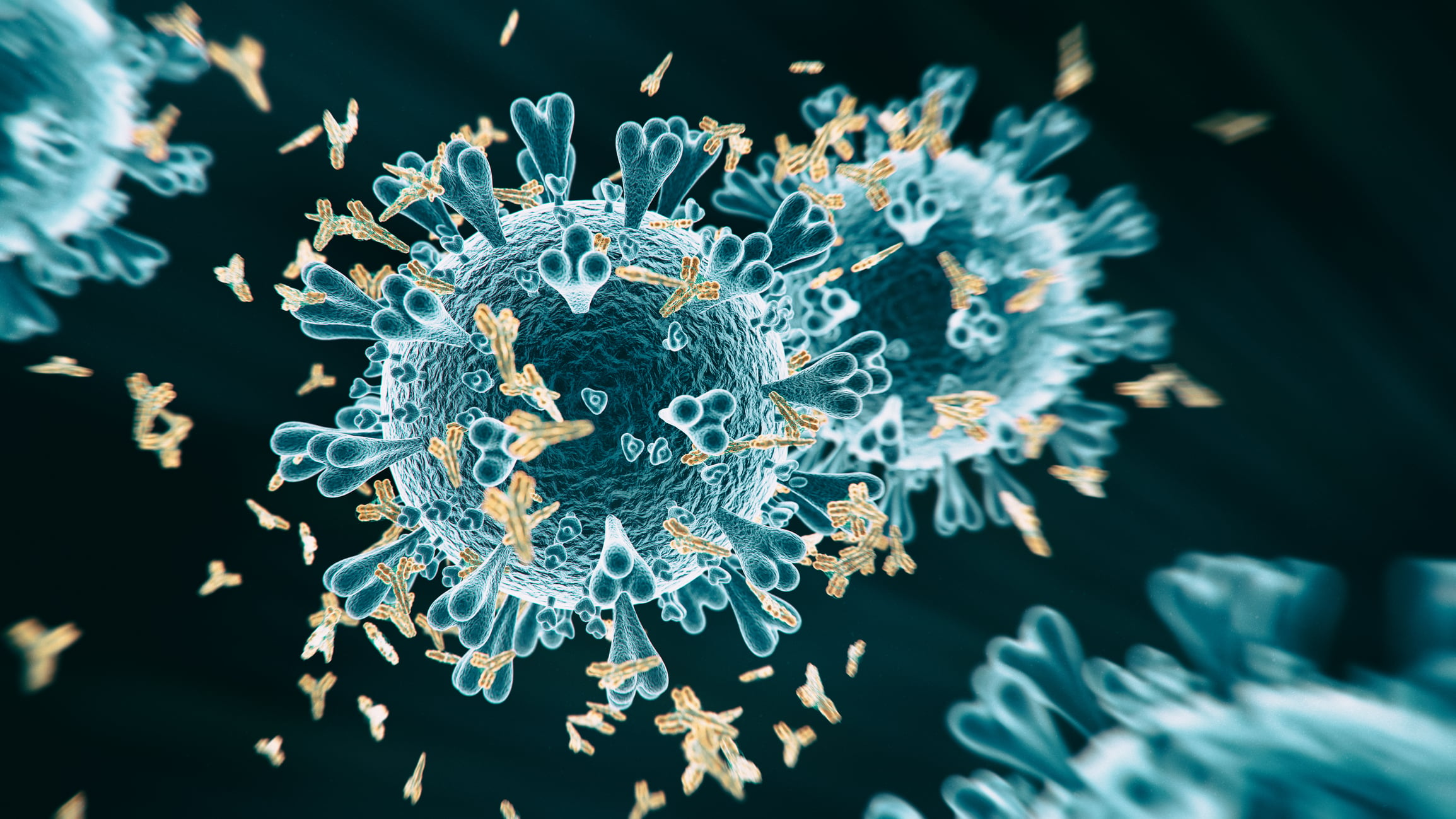
Researchers made progress in understanding how SARS-CoV-2, the virus that causes COVID-19, interacts with the human body. They found that cells in the mouth may play an important role in infection. The virus can infect inner ear cells , too, which could explain hearing and balance issues in some COVID-19 patients. Part of the damage caused by SARS-CoV-2 may relate to autoantibodies—antibodies that mistakenly attack the body’s own proteins and tissues. People who had autoantibodies before SARS-CoV-2 infection were at higher risk of developing severe COVID-19 . The virus also appears to trigger the production of new autoantibodies in some people , which may contribute to the symptoms of “long COVID.” Other scientists found that antibodies from people who were infected and then received a single dose of the Pfizer-BioNTech vaccine were similar to antibodies from uninfected people after their second shot . And researchers revealed how certain mutations in SARS-CoV-2 variants allow the virus to avoid neutralization by many antibodies.
Study reveals brain cells that sustain or suppress fearful memories

Fearful memories help people and animals respond to potential dangers. But having these memories fade when they’re no longer useful is important to avoid undue stress and anxiety. Researchers identified clusters of brain cells that compete to promote either the persistence or disappearance of fearful memories. The findings could give insight into post-traumatic stress disorder (PTSD) and anxiety disorders.
Study reveals brain cells that sustain or suppress fearful memories New ideas for fighting dangerous bacteria
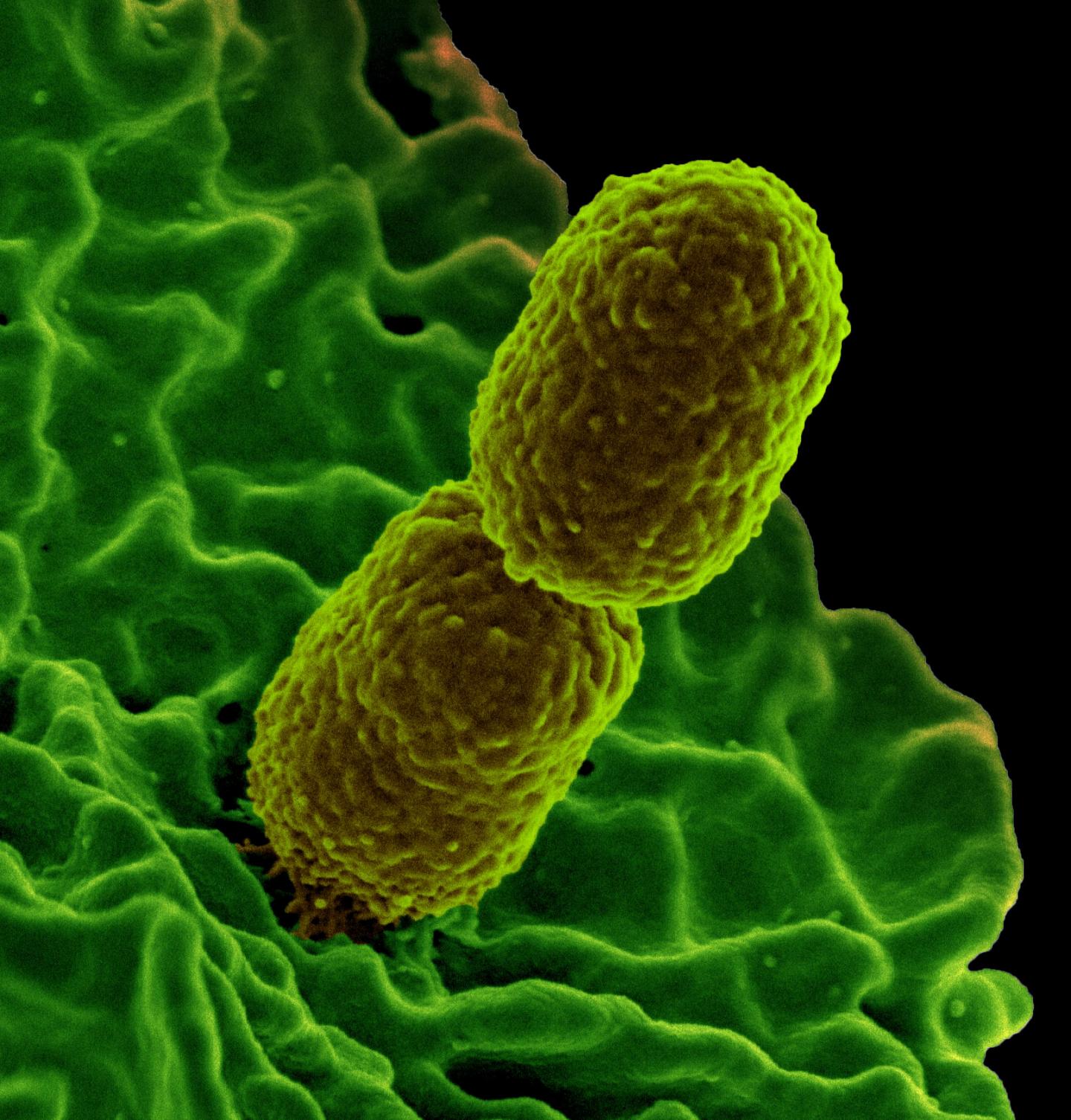
Antibiotic resistance is a significant public health problem, with bacterial infections becoming increasingly difficult to treat. Researchers are exploring new ways to fight these pathogens, including harnessing proteins produced by normal gut bacteria and stimulating the natural abilities of the immune system . Scientists are also finding new antibiotic candidates inside our own cells and within proteins produced by the human body .
How fructose may contribute to obesity and cancer
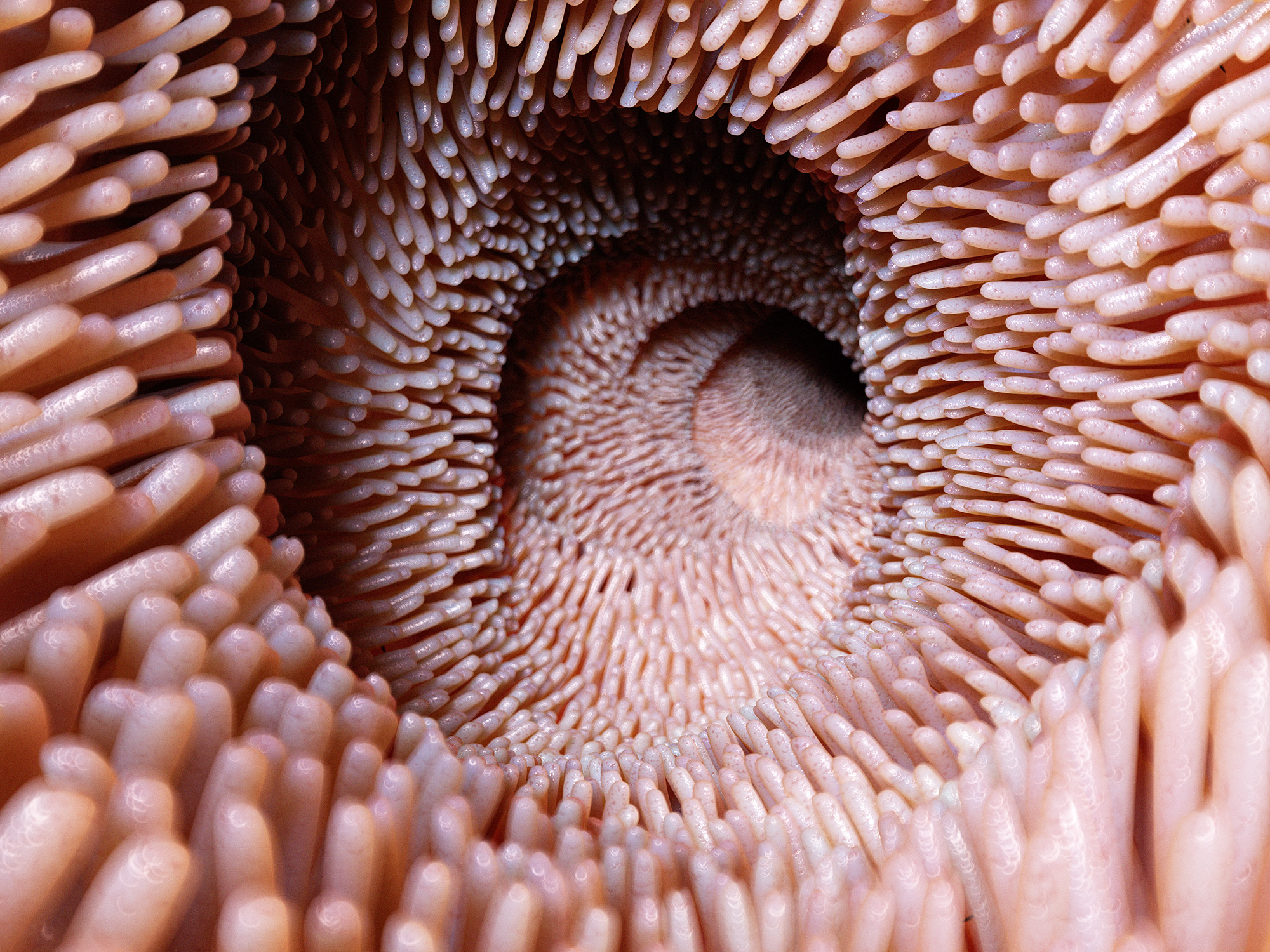
Increased consumption of the sugar fructose has been linked to a rise in obesity and related cancers such as colorectal cancer. But how fructose may contribute to these conditions has been unclear. Researchers found that high levels of dietary fructose alter the gut to increase nutrient absorption in mice. The results suggest how high fructose consumption may influence obesity and certain cancers.
How fructose may contribute to obesity and cancer Mapping the mammalian motor cortex
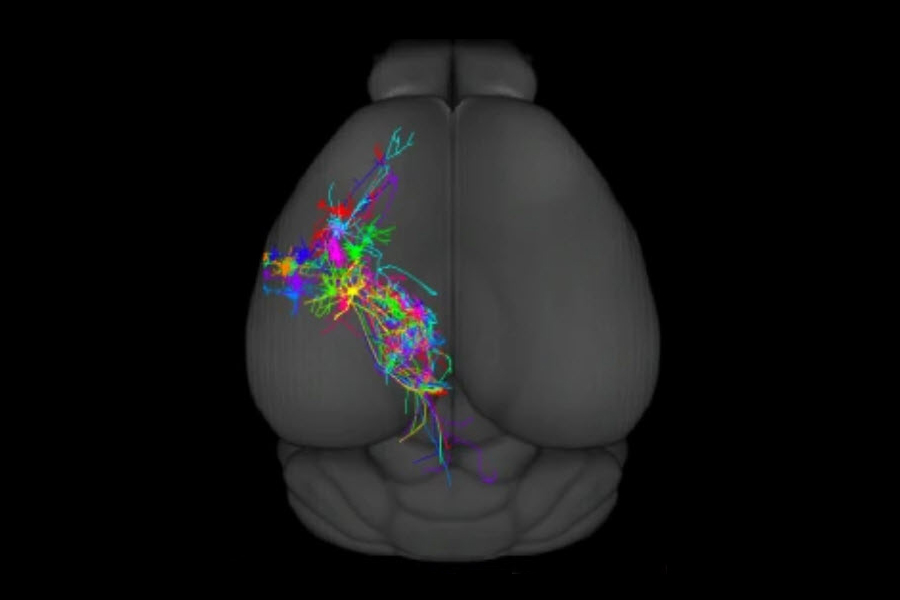
There are trillions of neuronal connections in the human brain, and each brain is unique. Understanding the differences in people’s brains may help scientists better understand mental health, mental illness, and neurological disease. Researchers created an atlas of the cells and connections in the mammalian primary motor cortex, the brain region responsible for directing complex body movements. Derived from studies of mice, monkeys, and humans, the atlas provides a roadmap for understanding the mammalian brain.
Mapping the mammalian motor cortex Brain receptor linked to puberty and growth
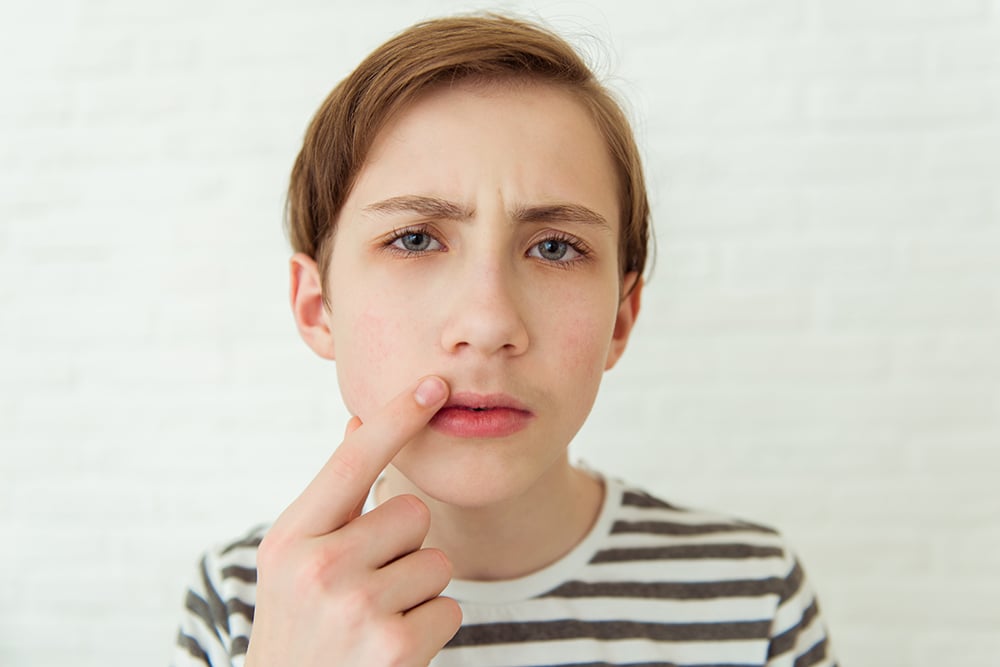
The timing of puberty is controlled by neurons in the brain’s hypothalamus. Nutrition and body weight affect this system, but exactly how wasn’t known. Scientists identified a brain receptor that links childhood nutrition to the timing of puberty and growth. People carrying mutations in the gene for the receptor started puberty later and were often shorter than average. The findings help explain how adequate nutrition affects growth and sexual development.
Brain receptor linked to puberty and growth Cancer cells drain energy from immune cells
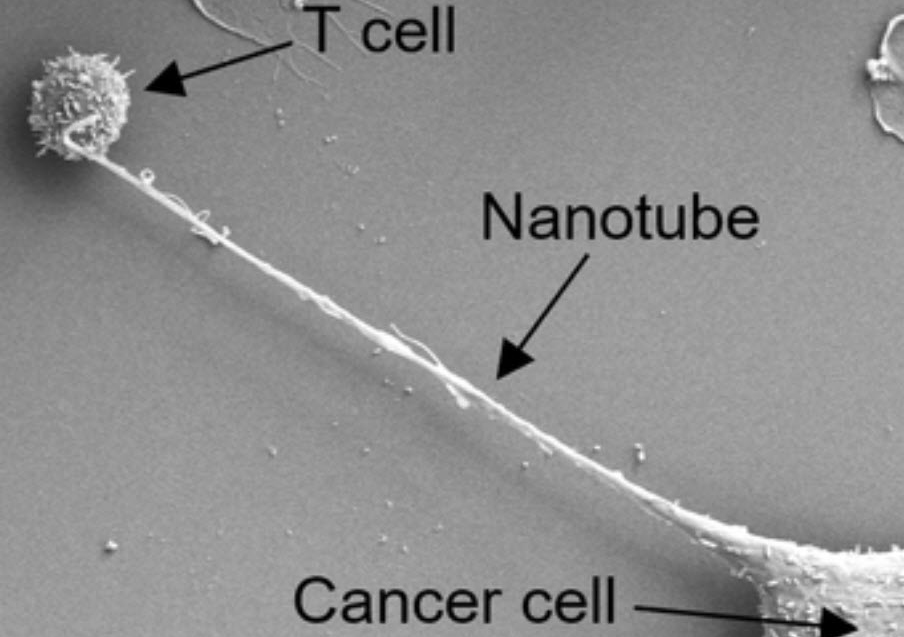
Cancer cells have many ways to evade the immune system to grow and spread. Researchers discovered that cancer cells use straw-like nanotubes to siphon mitochondria from immune cells. This helps energize the cancer cells and, at the same time, disable the immune cells. Inhibiting nanotube formation could potentially make certain anticancer therapies more effective.
Cancer cells drain energy from immune cells Hair loss studies yield insight into stem cells, stress, and aging

Stem cells play a vital role in regeneration and aging. Researchers found that a stress hormone impairs stem cells necessary for hair growth in mice . The findings may lead to insights into how stress affects regeneration in other parts of the body. In another study, researchers observed stem cells responsible for hair growth escaping from hair follicles in aging mice. The results give insight into how hair and tissues age, and how some diseases associated with aging may arise.