An official website of the United States government




Drugs reduce risk of death from Ebola
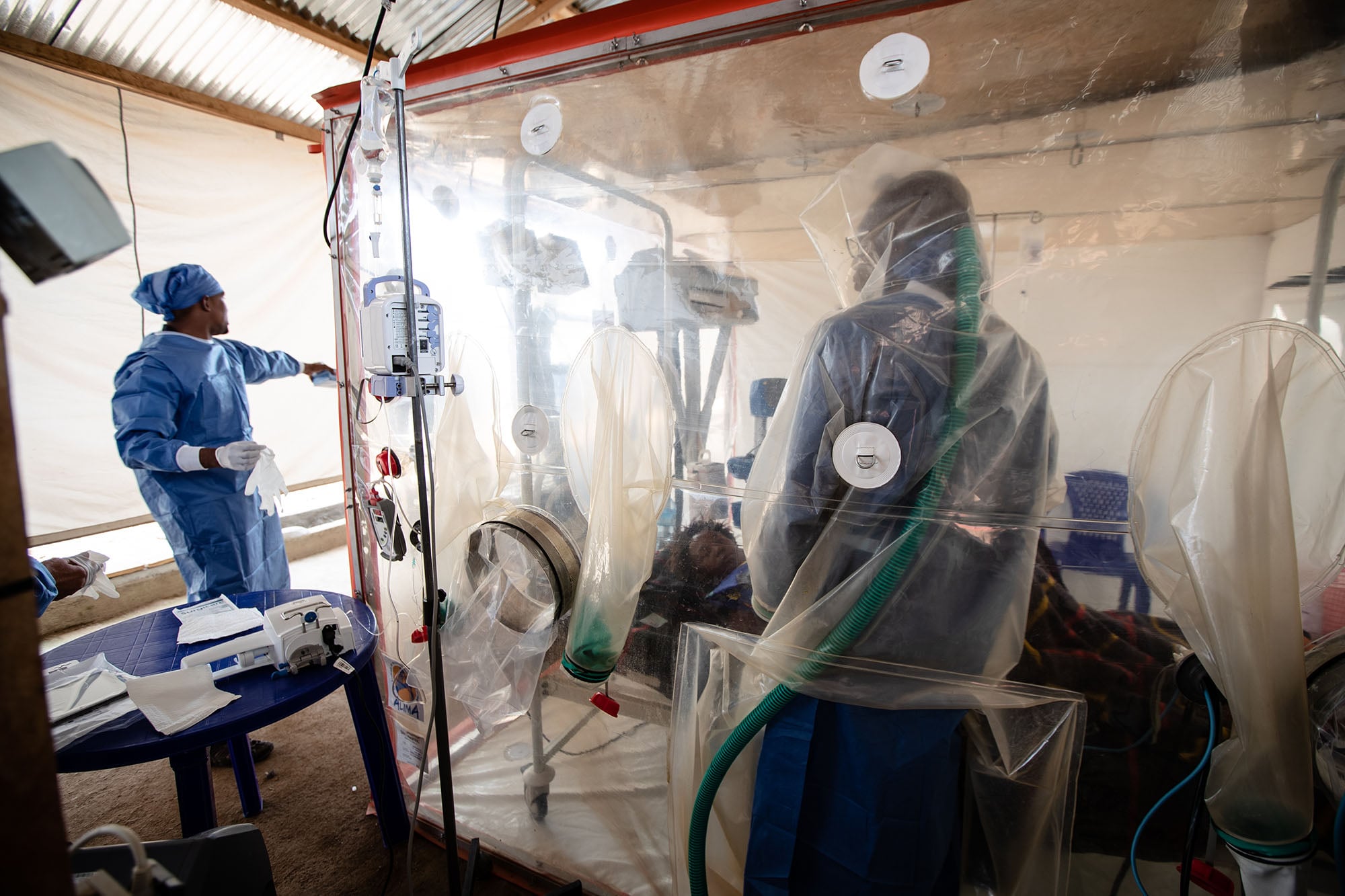
Researchers have been working to develop treatments for the Ebola virus, which kills about half of those who contract the disease. In a trial conducted during an Ebola outbreak in the Democratic Republic of Congo, two experimental drugs reduced the risk of death from the virus. The study also found that people who sought medical help soon after their symptoms developed were less likely to die than those who waited.
Drugs reduce risk of death from Ebola Gene therapy reverses rare immune disorder

Children born with a rare genetic disorder called X-linked severe combined immunodeficiency (X-SCID) lack a functioning immune system. As a result, they cannot fight infections and usually die within the first few years of life. Eight infants with X-SCID had their immune systems repaired by a new gene therapy approach. The infants are now developing normally and producing the immune cells needed to fight off disease.
Gene therapy reverses rare immune disorder Eating highly processed foods linked to weight gain
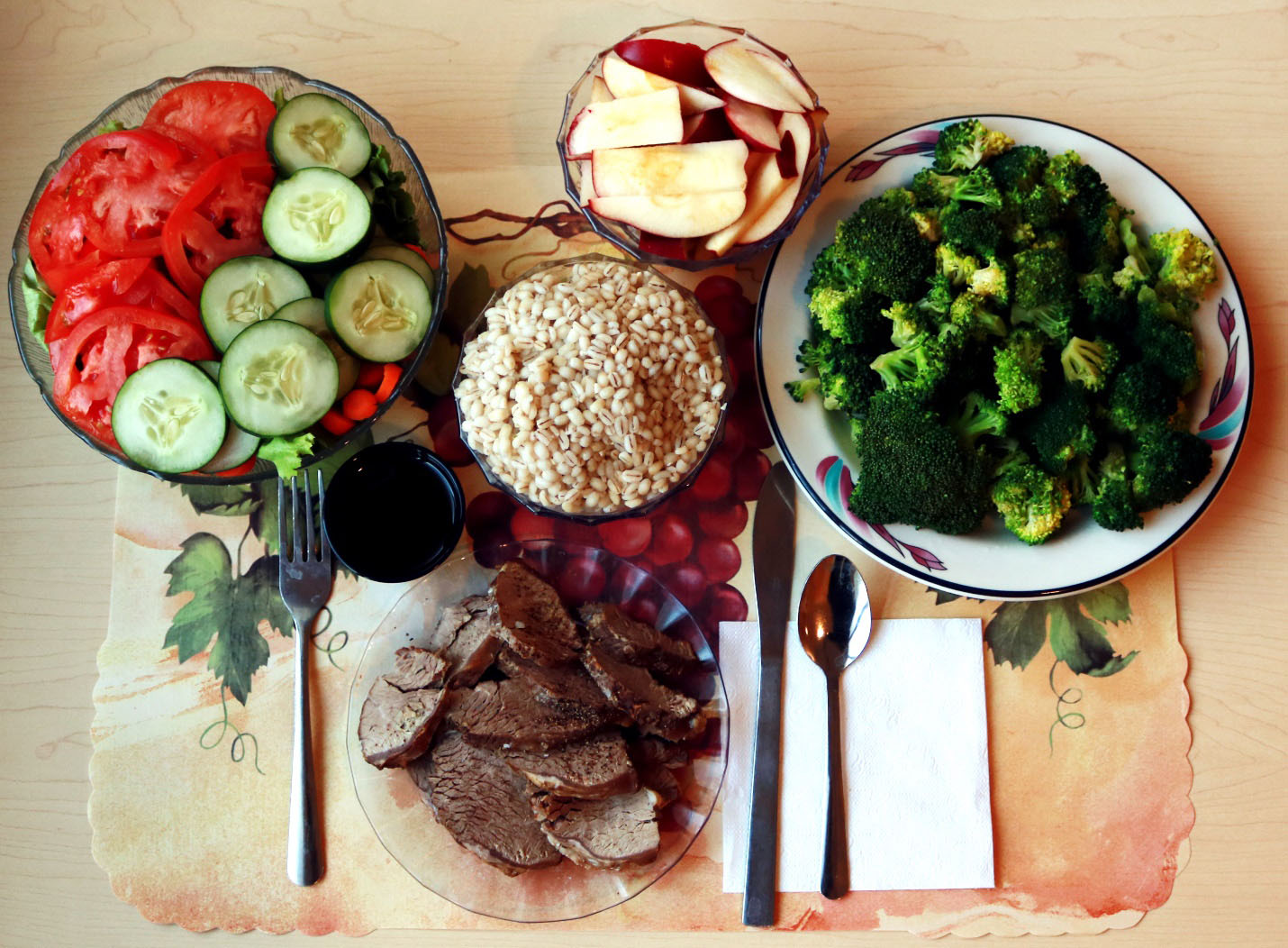
Previous research suggested a link between diets high in “ultra-processed” foods—those containing ingredients like high-fructose corn syrup and hydrogenated oils—and health problems. A carefully controlled study at the NIH Clinical Center found that people consumed more calories and gained more weight when eating a diet full of ultra-processed foods than a minimally processed diet. The results reinforce the importance of identifying and eating healthier foods.
Eating highly processed foods linked to weight gain Bioengineered vessels transform into living blood vessels
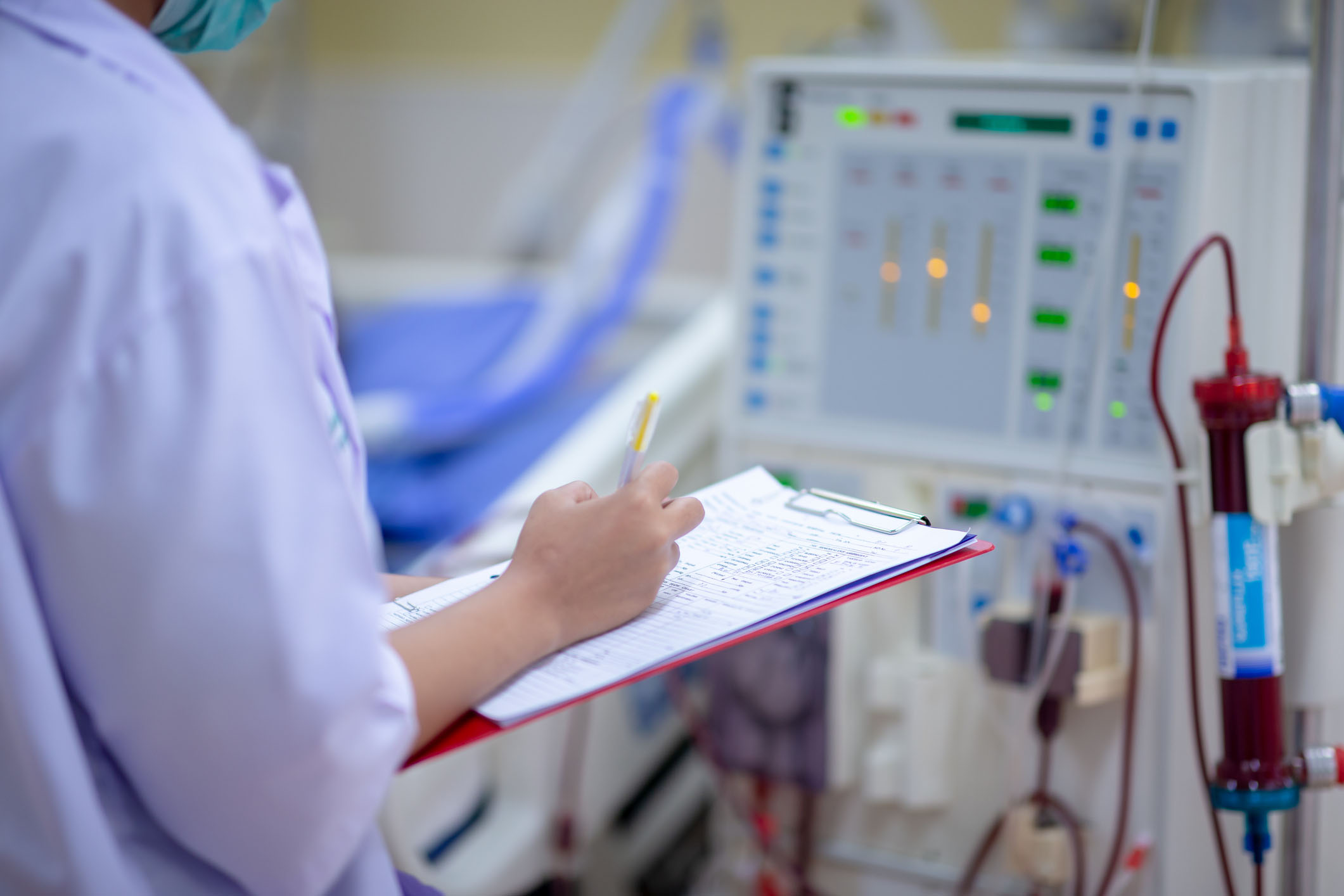
People with kidney failure can use a dialysis machine to filter blood. The blood is removed from a vein in the arm and filtered outside the body. But this can damage blood vessels if done frequently. Researchers created bioengineered blood vessels called human acellular vessels to aid in dialysis. When implanted into adults with kidney failure, the bioengineered vessels matured into living blood vessels and integrated into human tissues.
Bioengineered vessels transform into living blood vessels African American children may need different asthma treatments

Asthma disproportionately affects African American children in the U.S. However, they have been underrepresented in past asthma research. A study found that about half of African American children with poorly controlled asthma benefited more from higher-dose steroids than adding a bronchodilator to treatment. The results contrast with those seen in white children in previous studies, highlighting the importance of enrolling populations of diverse ages and races in clinical trials.
African American children may need different asthma treatments Emphasizing flavor boosts vegetable consumption
Most Americans don’t eat the recommended number of vegetables. Public health campaigns have urged people to eat more vegetables by emphasizing their health benefits. A study in college dining halls found that labels promoting tastiness increased vegetable selection by 29% and consumption by 39% compared with labels touting health benefits. The study suggests that emphasizing the enjoyable aspects of healthy foods may do more to boost consumption than promoting nutritional qualities.
Emphasizing flavor boosts vegetable consumption Blood test may detect myalgic encephalomyelitis/chronic fatigue syndrome

There are currently no diagnostic tests for myalgic encephalomyelitis/chronic fatigue syndrome (ME/CF), a complex, debilitating disease marked by profound exhaustion. In a pilot study, researchers developed a blood test that accurately identified people with ME/CF. If validated in larger studies, the test could one day help diagnose the disease and enable researchers to test potential treatments.
Blood test may detect myalgic encephalomyelitis/chronic fatigue syndrome Artificial pancreas improves type 1 diabetes management