 An official website of the United States government




Susceptibility
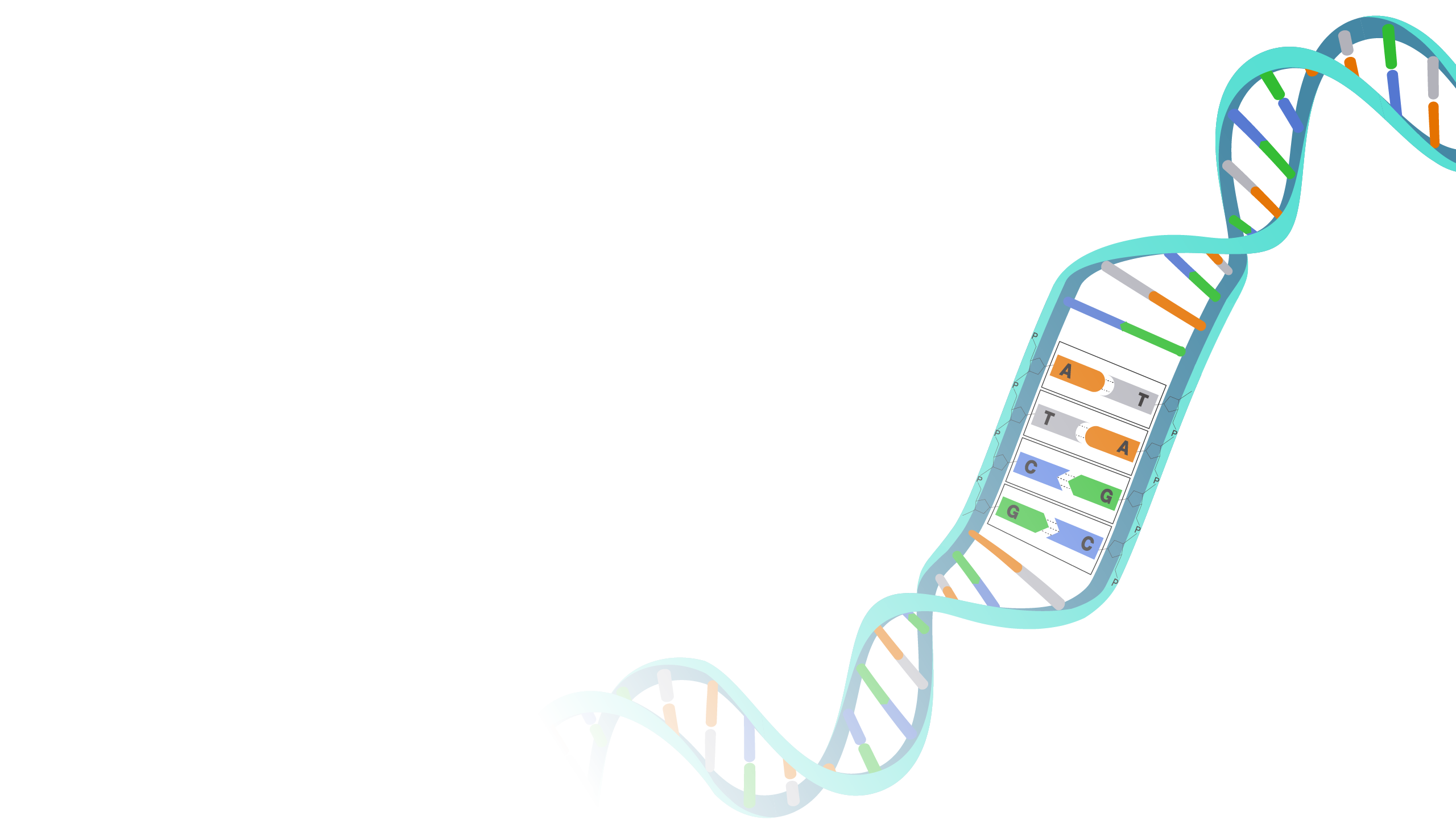
Susceptibility, as related to genetics, refers to the state of being predisposed to, or sensitive to, developing a certain disease. An individual’s disease susceptibility is influenced by a combination of genetic and environmental factors.
Susceptibility_transcription_Shchelochkov.mp3
Susceptibility. On the most fundamental level, susceptibility helps communicate the risk of developing a disease. This risk emerges at the intersection of our genetic makeup and our environment. On the one hand, unique differences in DNA can increase or decrease our risk of developing a disease. On the other hand, our environment also matters. The quality of food, the air we breathe, the water we drink, can also increase or decrease the chance of developing a disease. Disease's susceptibility then helps combine these two elements of risk into one concept.

Director
Medical Genetics and Genomic Medicine Training Program