 An official website of the United States government




Primer
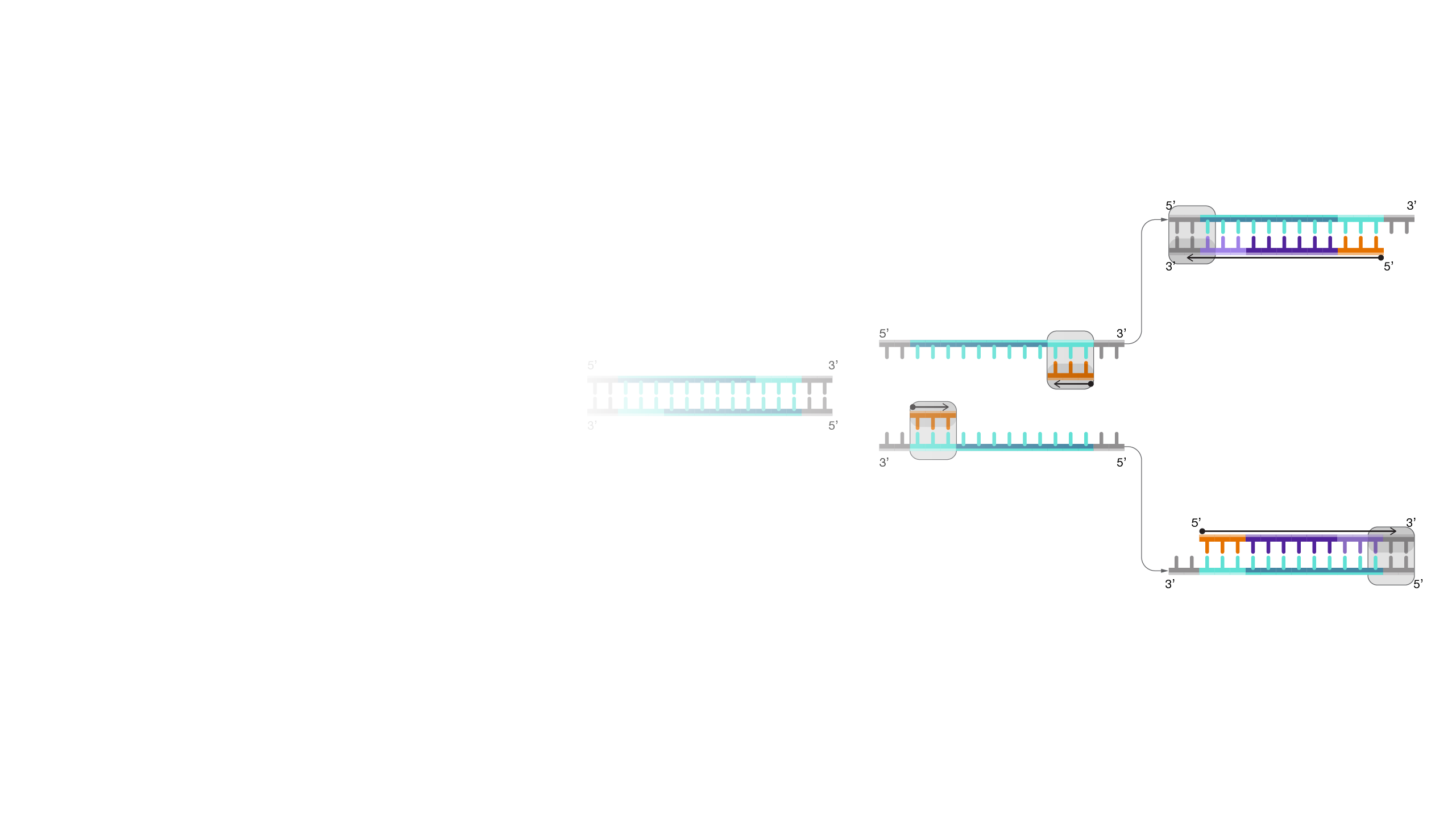
A primer, as related to genomics, is a short single-stranded DNA fragment used in certain laboratory techniques, such as the polymerase chain reaction (PCR). In the PCR method, a pair of primers hybridizes with the sample DNA and defines the region that will be amplified, resulting in millions and millions of copies in a very short timeframe. Primers are also used in DNA sequencing and other experimental processes.
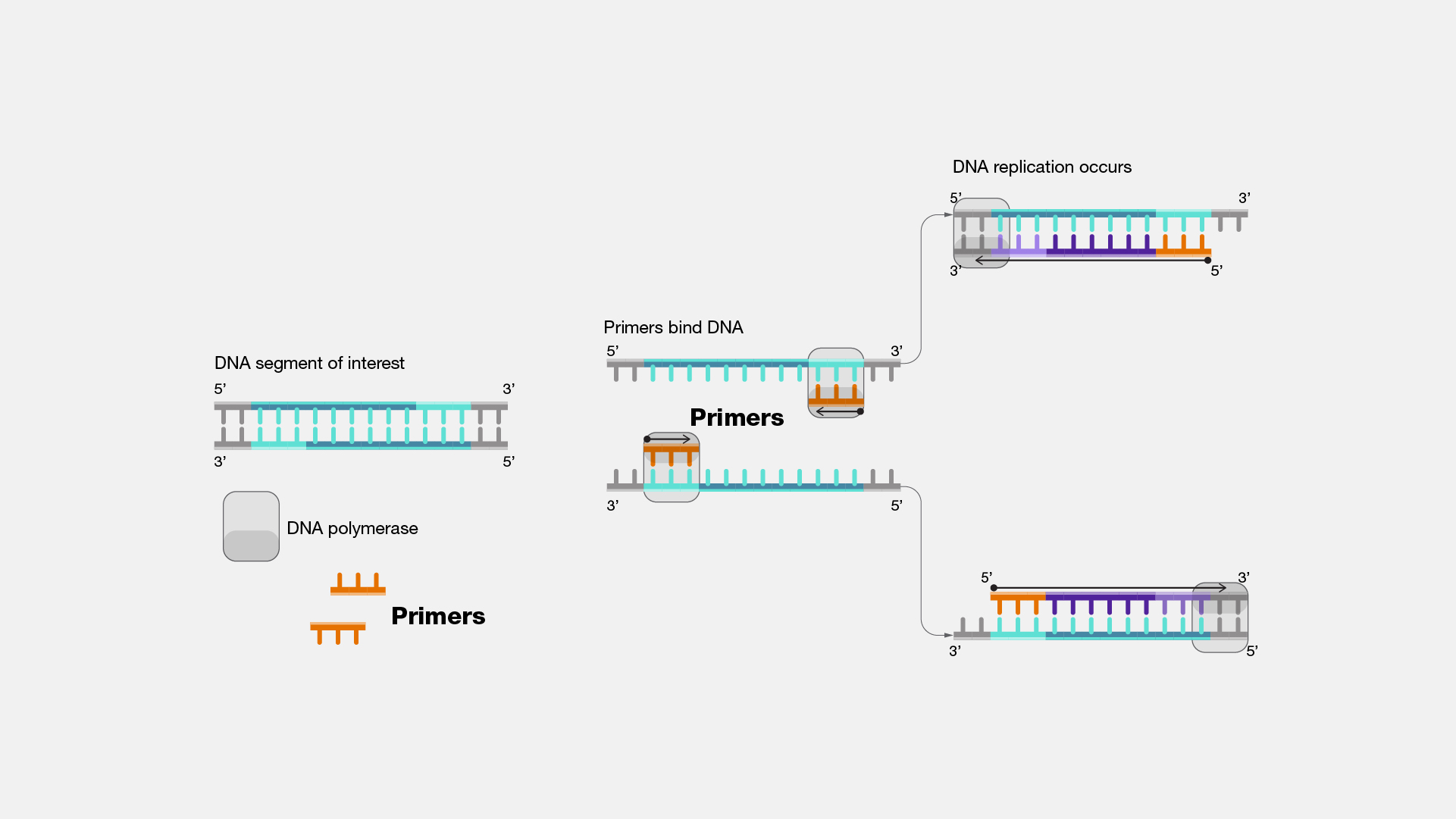
Primer. If you spend the weekend in a genomics lab, it is very likely you will hear about primers. That is how important primers are, and for a good reason. Primers are short stretches of DNA that target unique sequences and help identify a unique part of genome — let's say, a gene. Primers are usually 18 to 25 nucleotides long. They can be synthesized in a special lab, and are used in many different ways. For example, you can make multiple new copies of DNA from a template. You can introduce useful changes to the template DNA, where you can use them to analyze DNA by telling different versions of different copies.

Director
Medical Genetics and Genomic Medicine Training Program
Deoxyribonucleic Acid (DNA) Hybridization Gene Amplification Polymerase Chain Reaction (PCR)