 An official website of the United States government




Nuclear Membrane
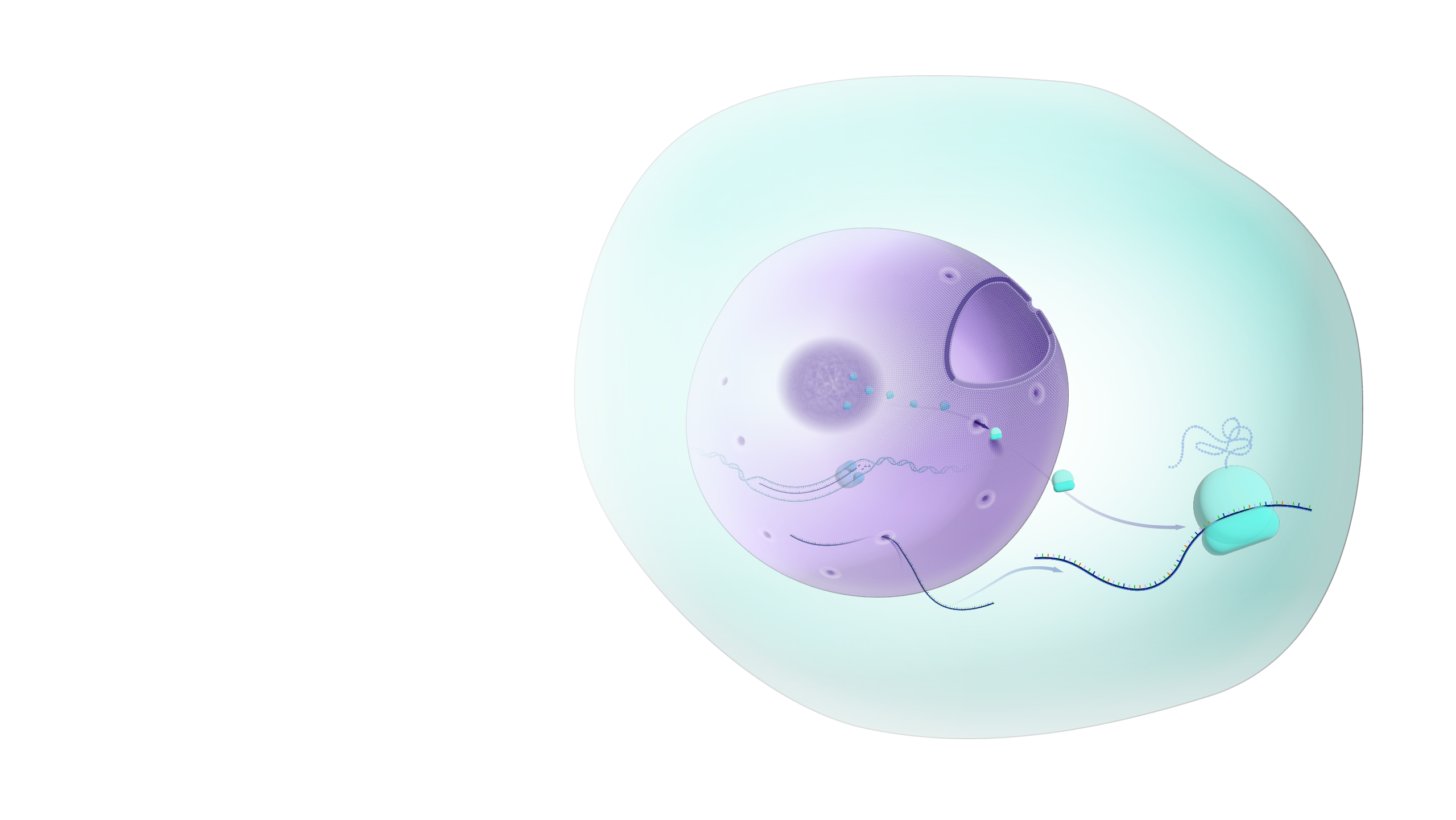
The nuclear membrane is a double layer that encloses the cell’s nucleus, where the chromosomes reside. The nuclear membrane serves to separate the chromosomes from the cell’s cytoplasm and other contents. An array of small holes or pores in the nuclear membrane permits the selective passage of certain materials, such as nucleic acids and proteins, between the nucleus and cytoplasm.
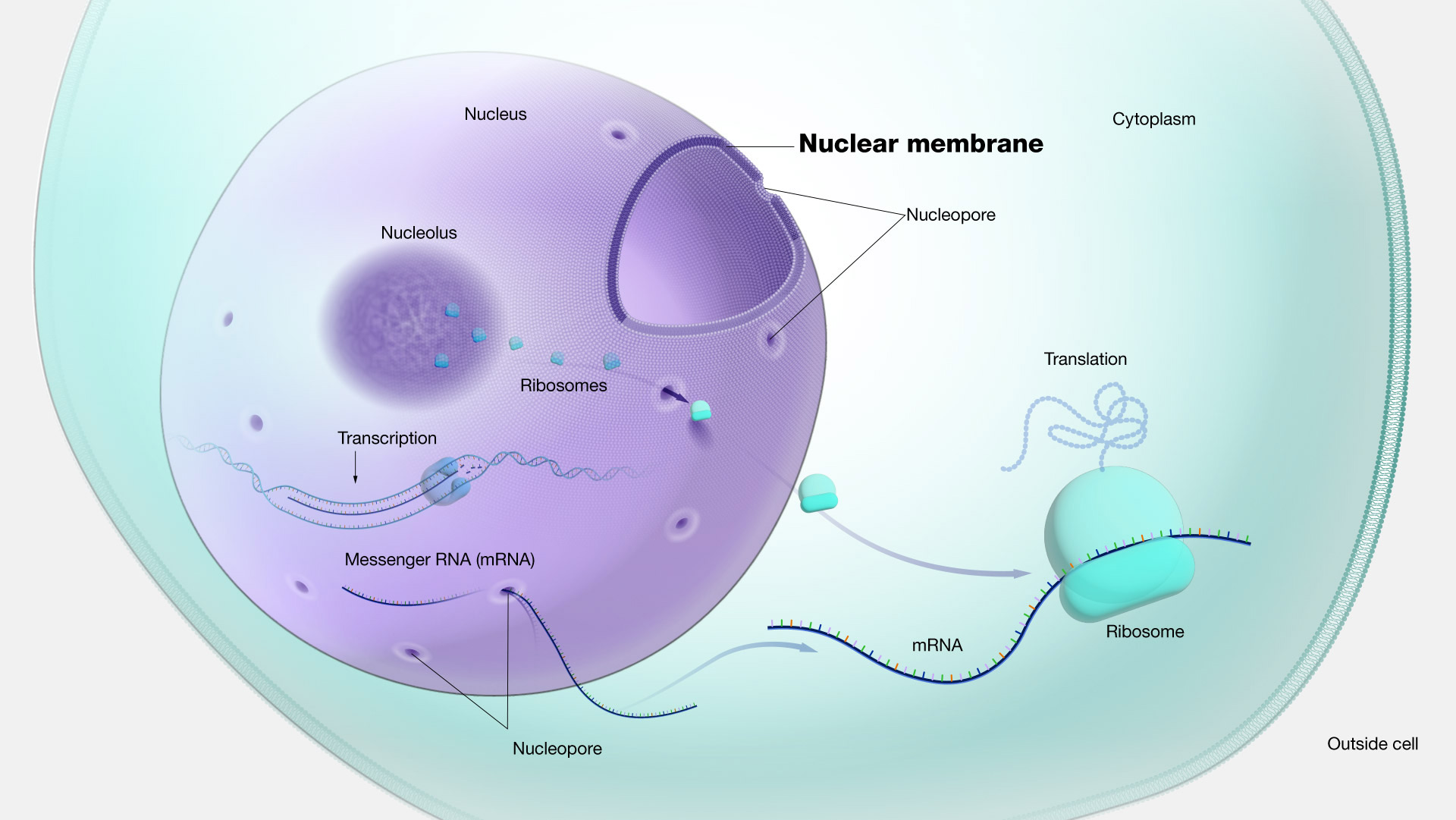
Nuclear membrane. Not all cells have a nucleus but [inaudible] and that includes humans do. The purpose is to protect the genetic material in the cell and to separate it from substances and chemical reactions that occur in the cytoplasm. In this way, genetic material is protected and activities related to gene expression can be regulated, especially by proteins that reside in the cytoplasm and function in the nucleus at specific times. The access to the nucleus is regulated by pores that are selective in the proteins and other materials that can enter.

Program Director
Division Of Genome Sciences
Nucleus Chromosome Nucleic Acids Nucleopore Nucleolus Protein