 An official website of the United States government




Monosomy
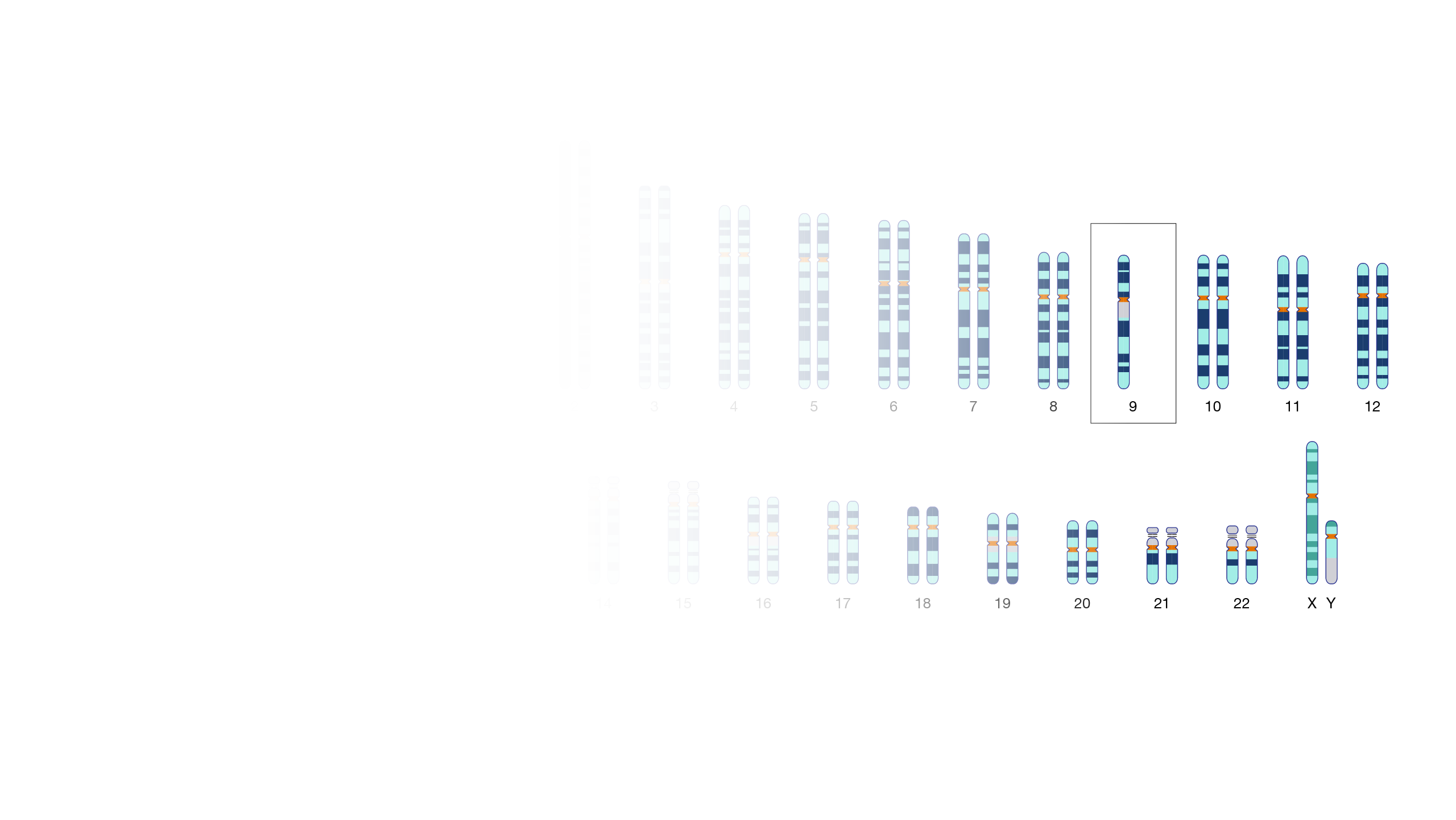
Monosomy refers to the condition in which only one chromosome from a pair is present in cells rather than the two copies usually found in diploid cells. When cells have one chromosome from a pair plus a portion of the second chromosome, this is referred to as partial monosomy. Monosomy, or partial monosomy, causes certain human diseases such as Turner syndrome and Cri du chat syndrome.
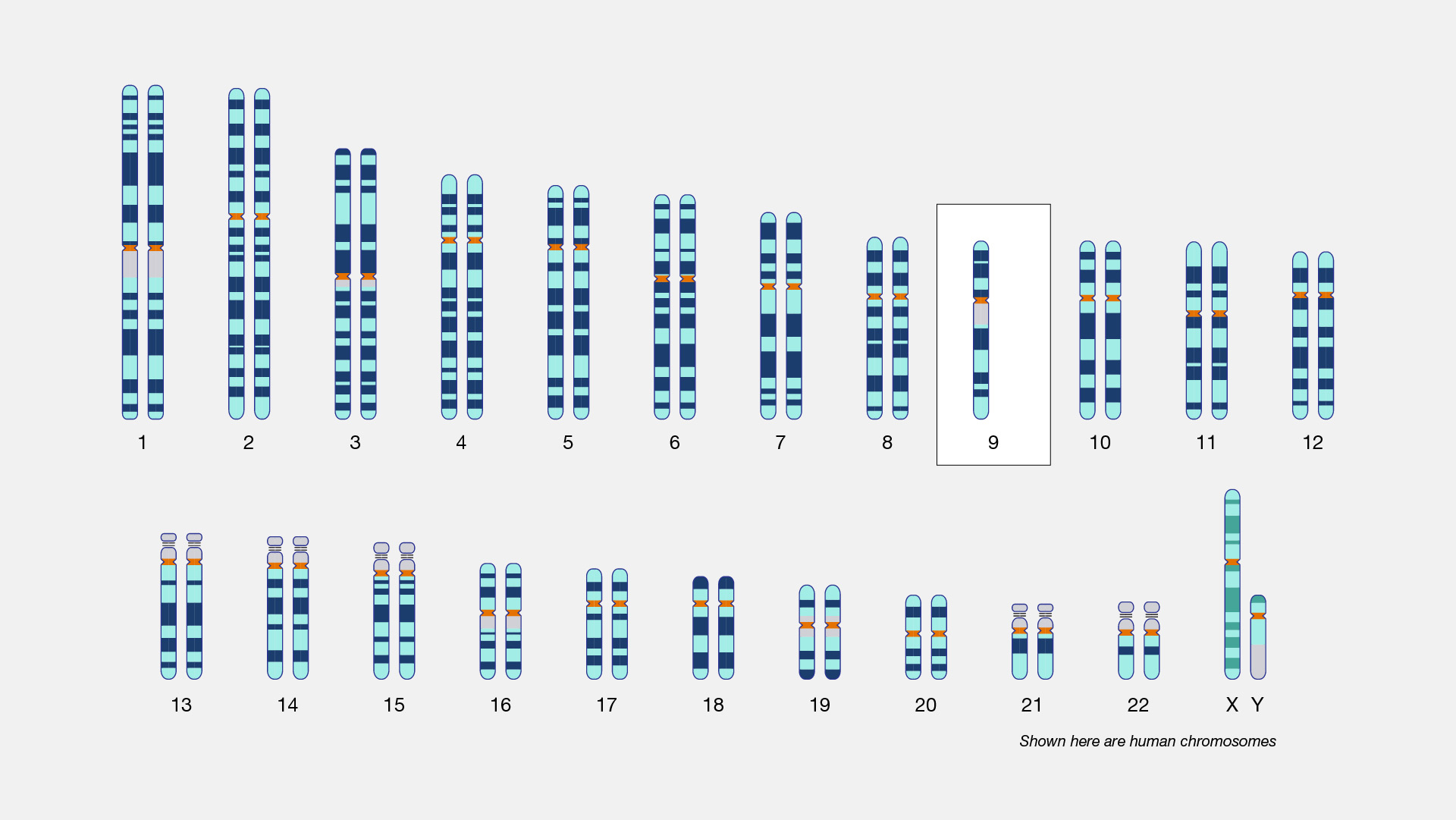
Monosomy. Formally, monosomy refers to the status of a cellular genome where one copy of a chromosome pair is absent. The term has also been expanded to situations where a segment of a chromosome, perhaps even just a single gene, is absent from a copy of a chromosome.

Director & NIH Distinguished Investigator
Center For Precision Health Research