 An official website of the United States government




Duplication
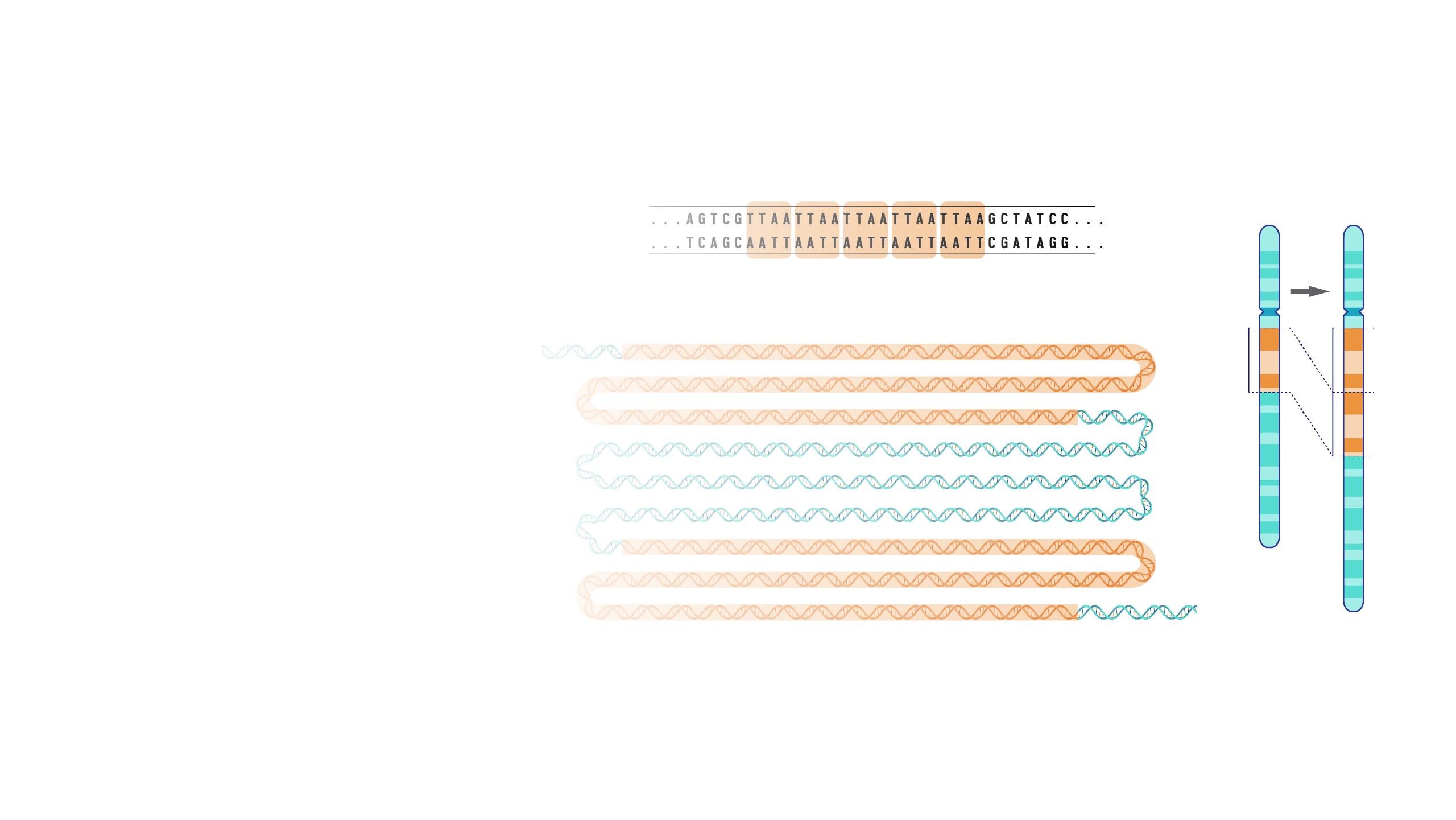
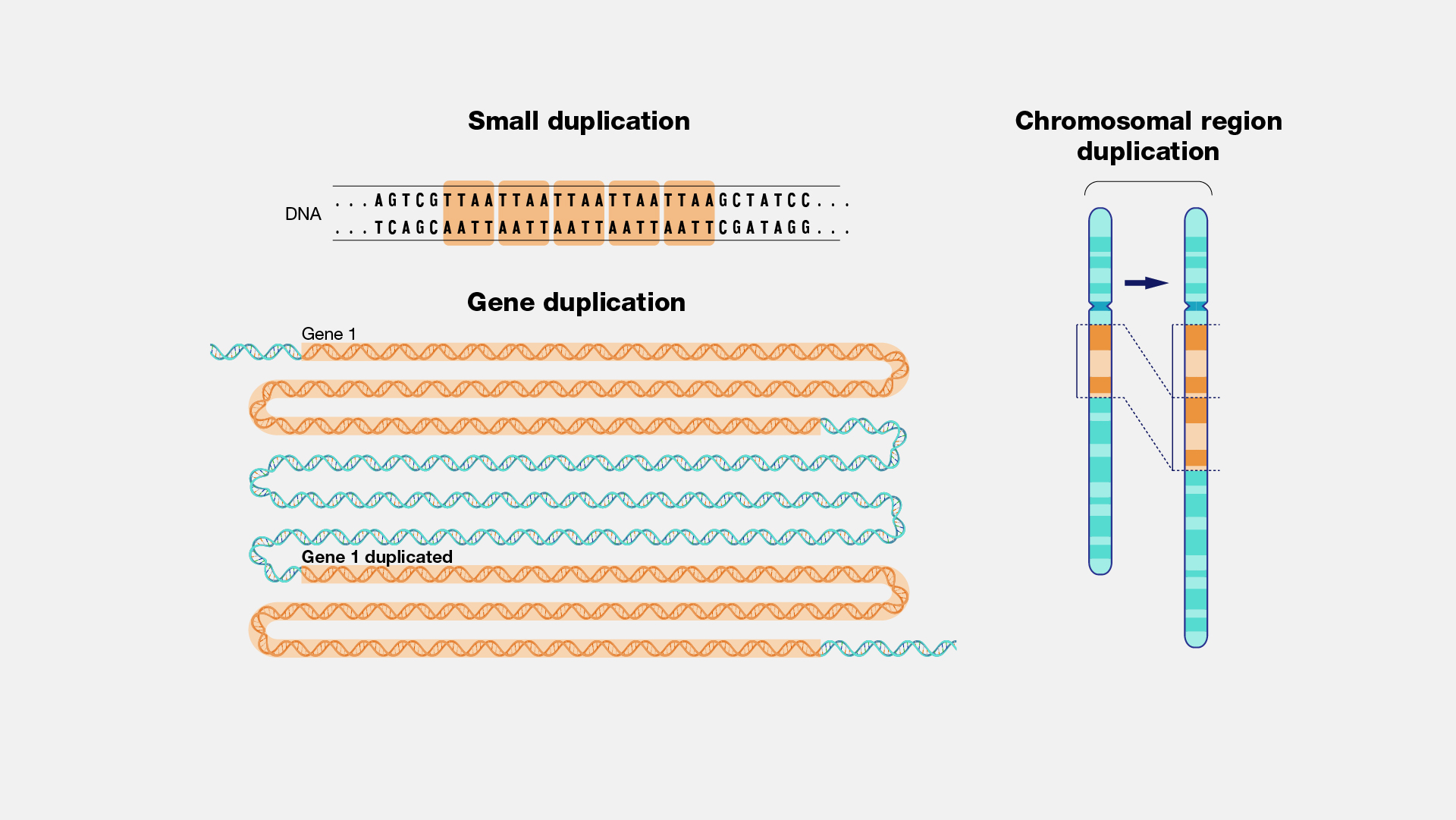
Duplication, as related to genomics, refers to a type of mutation in which one or more copies of a DNA segment (which can be as small as a few bases or as large as a major chromosomal region) is produced. Duplications occur in all organisms. For example, they are especially prominent in plants, although they can also cause genetic diseases in humans. Duplications have been an important mechanism in the evolution of the genomes of humans and other organisms.
Duplication_transcription_Bell_Daphne.mp3
Duplication. The type IA form of Charcot-Marie-Tooth disease is an example of an inherited human genetic disease that's caused by a gene duplication. Individuals with Charcot-Marie-Tooth disease have damage to their peripheral nerves, resulting in muscle weakness. The most common cause of this disease is duplication of the PMP22 gene, located on chromosome 17. This particular gene duplication results in the production of too much PMP22 protein which causes breakdown of the protective myelin sheath around the nerve, resulting in nerve damage and muscle weakness.

Senior Investigator
Reproductive Cancer Genetics Section