 An official website of the United States government




Double Helix
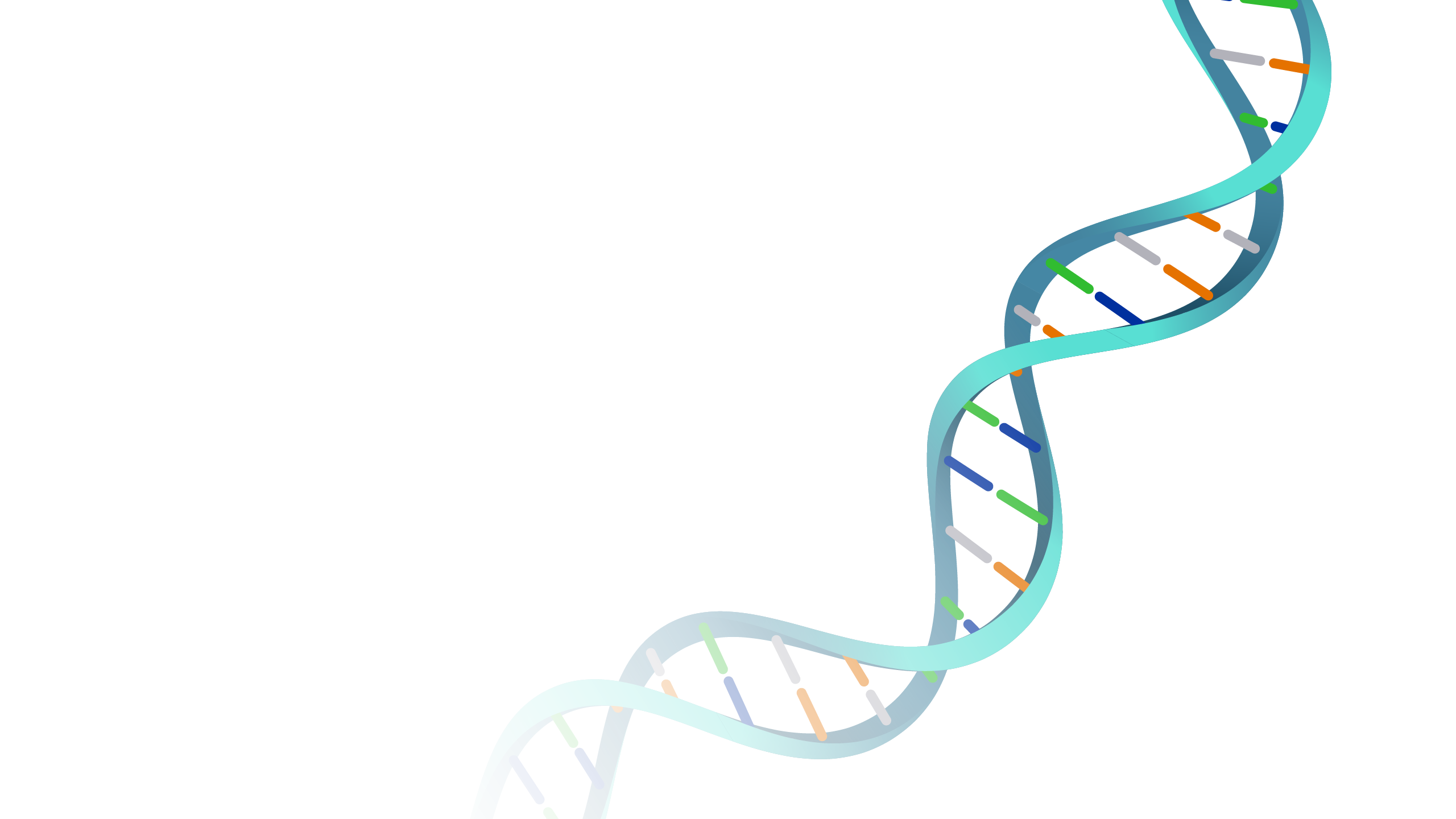
Double helix, as related to genomics, is a term used to describe the physical structure of DNA. A DNA molecule is made up of two linked strands that wind around each other to resemble a twisted ladder in a helix-like shape. Each strand has a backbone made of alternating sugar (deoxyribose) and phosphate groups. Attached to each sugar is one of four bases: adenine (A), cytosine (C), guanine (G) or thymine (T). The two strands are connected by chemical bonds between the bases: adenine bonds with thymine, and cytosine bonds with guanine.
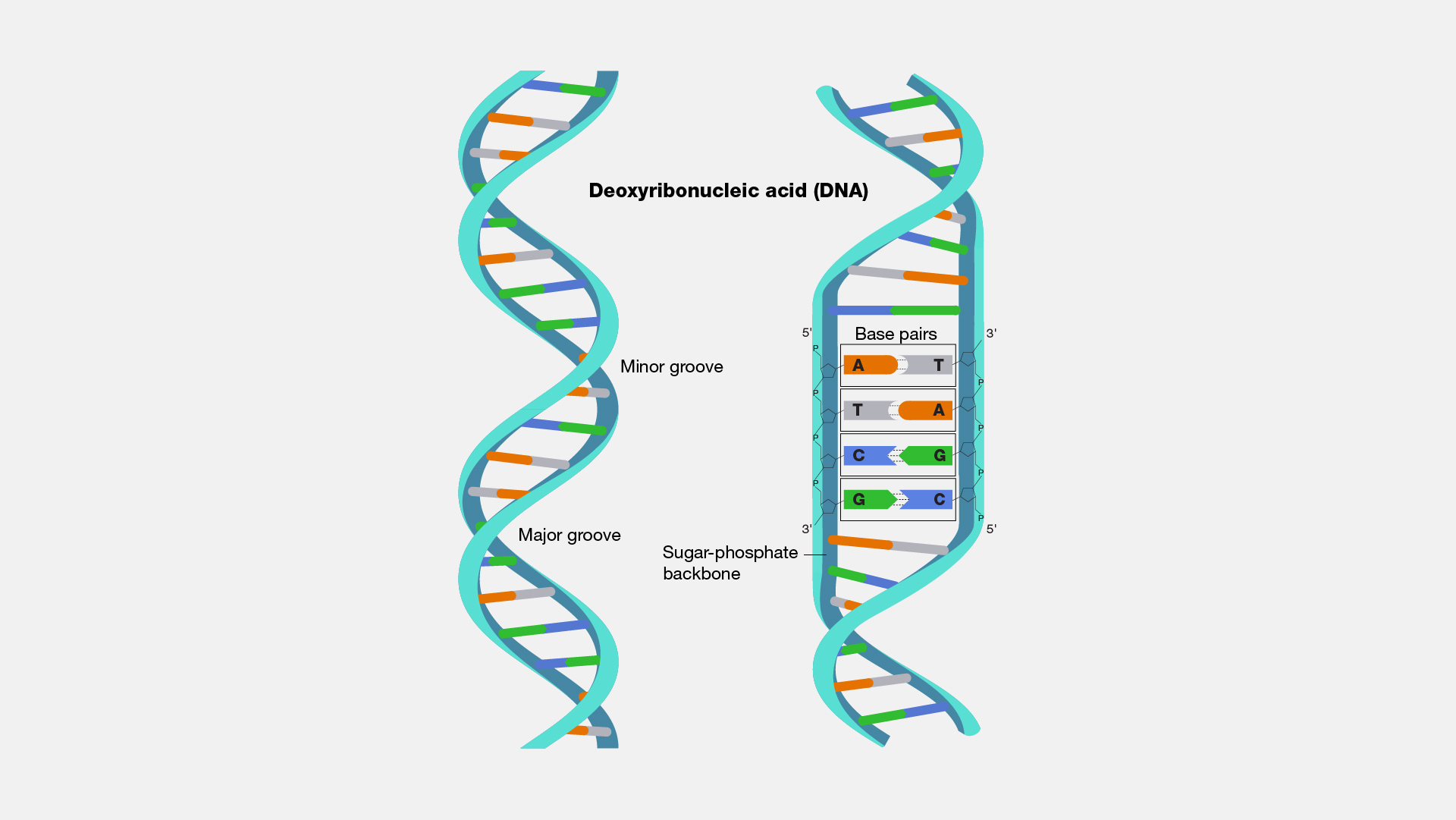
The discovery of DNA's double-helical structure in the 1950s was perhaps the most significant biological accomplishment of the 20th century. Knowledge of this remarkably clever structure, involving two complementary strands of DNA that each provide the template for making the other strand, provided a key insight about how it was that DNA could serve as the information molecule of all living systems. This structural detail about DNA rapidly accelerated research that revealed important aspects about DNA function encodes information for creating and operating living systems. Meanwhile, DNA's double helix has arguably become the most well-known and iconic image associated with biology, perhaps with all of science.

Special Volunteer
Office Of The Director