Official websites use .gov
A .gov website belongs to an official government
organization in the United States.
Secure .gov websites use HTTPS
A lock (🔒) or https:// means you've safely connected to the .gov website. Share sensitive information only on official, secure websites.
The last thing a mother wants to give her new baby is the HIV virus, but it was a frequent occurrence in the developing world until scientists discovered how to intervene. Babies are vulnerable to contagion throughout pregnancy, labor, delivery and breastfeeding, but today there are proven strategies to protect them.
HIV/AIDS research has been a major area of interest at the Eunice Kennedy Shriver National Institute of Child Health and Human Development (NICHD) since the epidemic began in the 1980s. This sustained effort has contributed to many significant successes. For example, a seminal NICHD clinical trial in which HIV-positive mothers received an antiretroviral drug in pregnancy showed a two-thirds reduction in HIV infection passed on to the babies.
Image
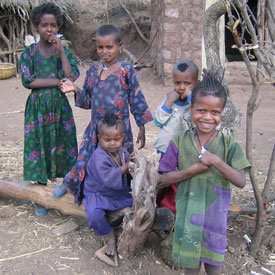
Photo by Virginia Lamprecht/Photoshare
The National Institute of Child Health and Human Development has contributed to almost all major advances in children's health over the last 50 years.
Since then, NICHD has conducted and supported numerous successful studies to identify and optimize strategies that block mother-to-child transmission, overseen by its Maternal and Pediatric Infectious Disease Branch. These include performing Cesarean deliveries and treating infected mothers or infants with antiretroviral drugs during breastfeeding, since the virus survives in breast milk. New drugs and regimens have helped bring the transmission rate down further, for instance to 1 or 2 percent in the U.S. and under 10 percent in Asia and Africa.
As HIV research has become increasingly global in nature, research questions have emerged regarding HIV-associated coinfections, such as TB, hepatitis and malaria. The NICHD has responded by promoting and funding new research on these infectious pathogens, as well as investigations of vaccines to prevent HIV and other high-priority infectious diseases in children, adolescents and pregnant women.
 An official website of the United States government