 An official website of the United States government




Mosquitoes are spreading chikungunya disease in the Americas
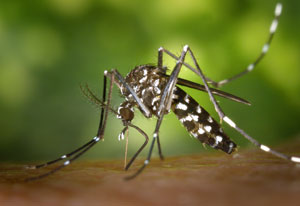
Photo by James Gathany/CDC
NIH is working to find a vaccine for chikungunya, a
mosquito-transmitted infection spreading in the
Americas.
Related News
- NIH-funded researchers identify target for chikungunya treatment
NIAID/NIH news, May 21, 2018 - Experimental chikungunya vaccine induces robust antibody response
NIAID/NIH news, August 14, 2014 - Chikungunya epidemic poses new threat to Western Hemisphere and possibly to the US
NIAID news, July 16, 2014 - First Chikungunya case acquired in the US reported in Florida
CDC news, July 17, 2014
A painful mosquito-borne virus, known as chikungunya, is spreading rapidly throughout the Caribbean and cases have now been identified in several U.S. states, Mexico, Venezuela and elsewhere in the Western Hemisphere. There is no cure or treatment for the illness, which is rarely fatal but causes headaches, a burning fever, rash and joint pain that can last for months or even years, keeping people from going about their normal lives.
Chikungunya, first identified in Tanzania in the 1950s, is transmitted by the same mosquitoes that spread dengue fever: the Aedes aegypti and Aedes albopictus species. The first infection in the Western Hemisphere was identified in St. Martin in December 2013. Since then, the debilitating virus has struck more than a quarter of a million people, primarily in the Caribbean, with Haiti and the Dominican Republic being particularly hard hit. Most infections outside the region have occurred during travel, but U.S. health authorities recently reported local transmission in Florida.
Disease surveillance and the advance warning it provides for preventive action is especially important in light of the lack of treatment. The NIH's National Institute of Allergy and Infectious Diseases (NIAID) is testing a vaccine candidate in humans that previously was proved safe and effective in mice. For now, the only relief for those infected is pain medication and fluid replacement for dehydration. People in areas where the infection is spreading are being encouraged to use window screens and mosquito repellent to avoid insect bites.
More Information
- Experimental chikungunya vaccine induces robust antibody response
NIAID/NIH news, August 14, 2014 - Chikungunya Epidemic Poses New Threat to Western Hemisphere and Possibly to the United States
NIAID news, July 16, 2014 - First Chikungunya case acquired in the United States reported in Florida
CDC news, July 17, 2014 - Learn more about the chikungunya virus , view a map showing countries and territories where chikungunya cases have been reported and read a recent blog post, CDC Scientist Fights Chikungunya , from the Centers for Disease Control and Prevention (CDC).
- Learn more about NIH and NIAID chikungunya vaccine research from the NIAID news archives:
- Chikungunya Vaccine Trial Begins Enrollment: NIH Scientists Developed Experimental Vaccine
NIAID news, December 20, 2011 - Virus-Like Particle Vaccine Protects Monkeys from Chikungunya Virus
NIAID news, January 28, 2010
- Chikungunya Vaccine Trial Begins Enrollment: NIH Scientists Developed Experimental Vaccine
To view Adobe PDF files, download current, free accessible plug-ins from Adobe's website .