 An official website of the United States government




Program Snapshot
The Common Fund’s Stimulating Peripheral Activity to Relieve Conditions (SPARC) program accelerates development of therapeutic devices that modulate electrical activity in nerves to improve organ function. This therapeutic strategy, also known as “bioelectronic medicine,” could offer new treatment options for diverse diseases and conditions such as hypertension, heart failure, gastrointestinal disorders, and more.
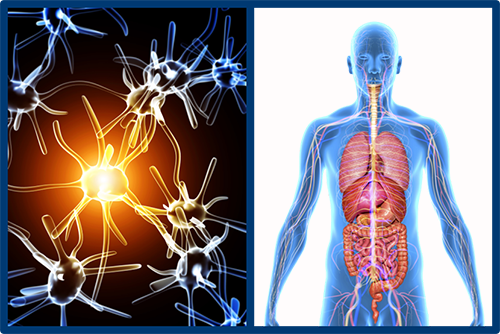
In Phase 1 of the program, SPARC supported the development of new tools and technologies, mapped the connections among a variety of different nerves and organ systems, and created a rich public resource (the SPARC Portal, available at sparc.science ) that provides scientists with cutting-edge information and tools for advancing bioelectronic medicine. Building on these accomplishments, in Phase 2 of the program SPARC will focus on the anatomy and functional connectivity of the human vagus nerve (SPARC-V), build a new ecosystem of open-specification neuromodulation device components (SPARC-O), challenge the innovator community to prove new capabilities (SPARC-X), and will continue to share data and digital resources through the SPARC Portal. Through these complementary initiatives, SPARC will facilitate the development of new best-in-class bioelectronic medicine therapies:
SPARC-V (Vagus nerve mapping and physiology)
- The Reconstructing Vagal Anatomy (REVA) initiative is creating more precise and detailed maps of the human vagus nerve, a bioelectronic highway that carries two-way electrical signals between the brain and internal organs of the body
- The VNS Endpoints from Standardized Parameters (VESPA) initiative is identifying the physiological effects of altering vagus nerve activity to discover how best to stimulate nerve fibers for specific therapeutic effects
SPARC-O (Open-source neuromodulation technologies)
- The Human Open Research Neural Engineering Technologies (HORNET) initiative is developing open-source technologies and components needed to safely and effectively alter nerve function
SPARC-X (Neuromod Prize)
- Neuromod Prize is providing an exciting challenge competition that will incentivize groundbreaking proof-of-concept demonstrations of bioelectronic medicine approaches that will help patients; learn more at neuromodprize.com
Resources for advancing bioelectronic medicine
- The SPARC Portal is advancing bioelectronic medicine by providing open access to digital resources that can be shared, cited, visualized, computed, and used for virtual experimentation
Learn more about Phase 2 of the SPARC program.
In Phase 1 of NIH Common Fund’s Stimulating Peripheral Activity to Relieve Conditions (SPARC) program, SPARC researchers developed tools to map the complex highway of nerves that send signals throughout our bodies and studied how nerve activity can be modified to mitigate the effects of some diseases. The SPARC.science public website was created to share resources and information on the anatomy and function of the autonomic nervous system and potential therapeutic targets to researchers worldwide.
The SPARC program has begun Phase 2, where it will build off the successes of Phase 1 to develop and share more datasets on the structure and function of the peripheral nervous system, test new therapies to treat diseases such as hypertension, heart failure, chronic pain, and gastrointestinal issues, and make technologies that modify nerve function freely available for researchers to access and use. Phase 2 introduces three new initiatives: SPARC-V, SPARC-O, and SPARC-X.
SPARC-V: Reconstructing Vagal Anatomy (REVA) & VNS Endpoints from Standardized Parameters (VESPA)
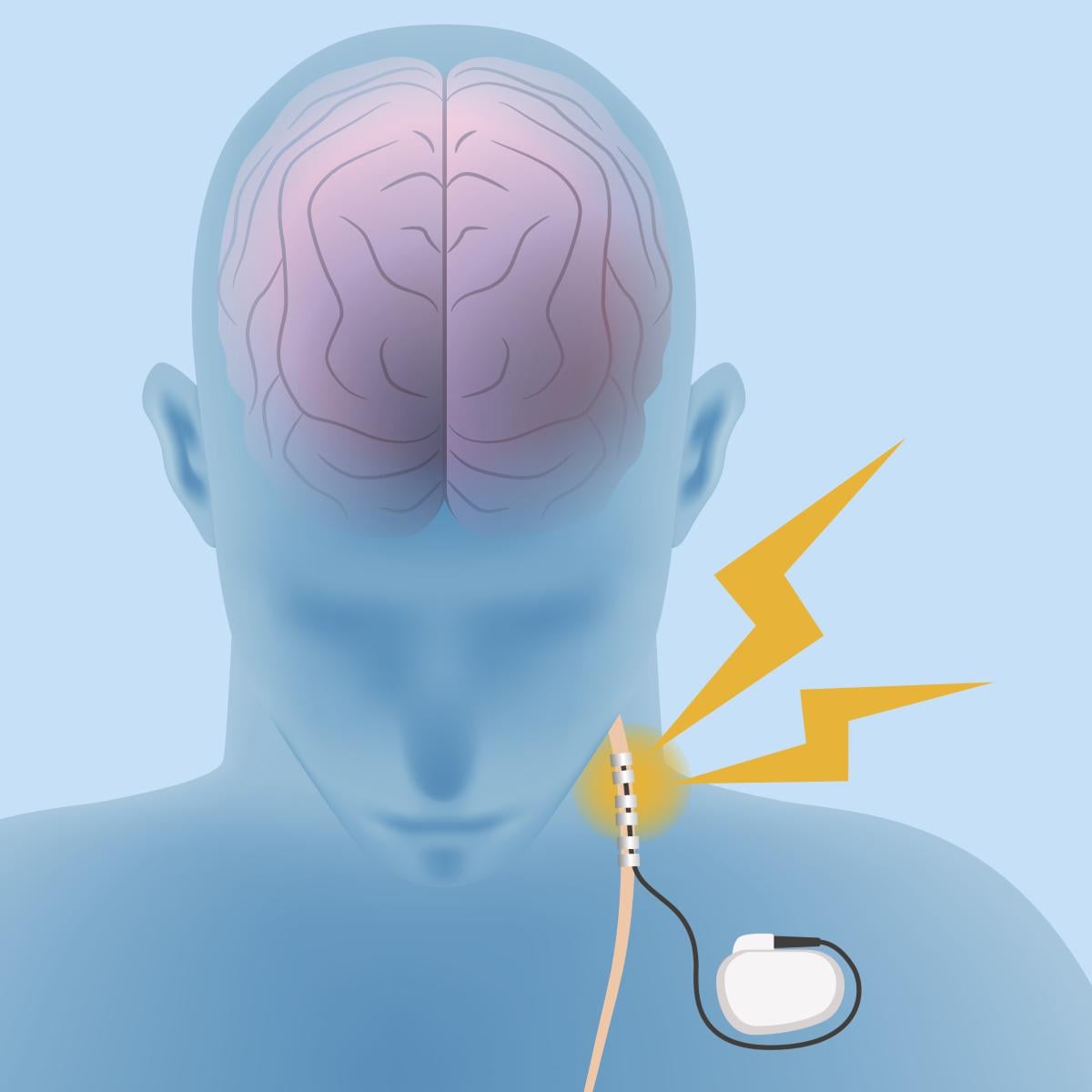
REVA: SPARC researchers will produce high-resolution maps of the human vagus nerve, which connects many organs throughout the body such as the lungs, heart, intestines, and kidneys, and carries sensory information back to the brain. The vagus nerve is involved in controlling digestion, heart rate, breathing, and many other unconscious functions, and mapping its structure is key to understanding how its function can be modified with bioelectronic devices to help treat diseases related to those functions.
VESPA: Thousands of bioelectronic implants that modify vagus nerve activity through vagal nerve stimulation (VNS) are used every year to treat depression and epilepsy and for stroke rehabilitation, but there is much more to learn about the effects of stimulating the vagus nerve on other organ systems. Through the VESPA initiative, SPARC-funded researchers will study the effect of a common set of VNS parameters on many different organs, body systems, and processes such as metabolism and the immune system with a large number of patients in coordinated clinical studies. This dataset will aid scientists, engineers, and clinicians in finding new ways to use VNS to treat diseases.
SPARC-O: Human Open-Research Neuro Engineering Technologies (HORNET)
Modifying electrical signals in the body by targeting nerve function is a promising approach to help treat many conditions and improve organ function, but the development of these kinds of therapeutic approaches is often limited by the cost of designing and building tools to modulate nerve function. SPARC aims to accelerate studies in this area and reduce regulatory burdens on researchers and technologists by creating open-source device specifications, such as hardware, software, firmware, or other technology modules needed to build neuromodulation systems.
SPARC-X: Neuromod Prize
The Neuromod Prize is a $9.8 million, multi-phase competition to advance the development of new bioelectronic therapies to modulate nerve function. The eight winners of Phase 1 of the Neuromod Prize are developing breakthrough technologies that can regulate nervous system activity in the spinal cord, heart, and gut to treat chronic pain, reduce the effects of spinal cord injuries, and improve quality of life. In Phase 2, these projects will conduct proof-of-concept studies, and up to four may be selected to advance to Phase 3.
SPARC.science: Resources for Advancing Bioelectronic Medicine
Throughout Phase 2 of SPARC, the SPARC Portal will continue to share curated data sets, detailed maps and simulations of nerve anatomy, and other tools that are freely available to the entire biomedical community to use for experimental computation and visualization.
Learn more about Phase 2 of the SPARC program.
In Phase 1 of NIH Common Fund’s Stimulating Peripheral Activity to Relieve Conditions (SPARC) program, SPARC researchers developed tools to map the complex highway of nerves that send signals throughout our bodies and studied how nerve activity can be modified to mitigate the effects of some diseases. The SPARC.science public website was created to share resources and information on the anatomy and function of the autonomic nervous system and potential therapeutic targets to researchers worldwide.
The SPARC program has begun Phase 2, where it will build off the successes of Phase 1 to develop and share more datasets on the structure and function of the peripheral nervous system, test new therapies to treat diseases such as hypertension, heart failure, chronic pain, and gastrointestinal issues, and make technologies that modify nerve function freely available for researchers to access and use. Phase 2 introduces three new initiatives: SPARC-V, SPARC-O, and SPARC-X.
SPARC-V: Reconstructing Vagal Anatomy (REVA) & VNS Endpoints from Standardized Parameters (VESPA)
REVA: SPARC researchers will produce high-resolution maps of the human vagus nerve, which connects many organs throughout the body such as the lungs, heart, intestines, and kidneys, and carries sensory information back to the brain. The vagus nerve is involved in controlling digestion, heart rate, breathing, and many other unconscious functions, and mapping its structure is key to understanding how its function can be modified with bioelectronic devices to help treat diseases related to those functions.
VESPA: Thousands of bioelectronic implants that modify vagus nerve activity through vagal nerve stimulation (VNS) are used every year to treat depression and epilepsy and for stroke rehabilitation, but there is much more to learn about the effects of stimulating the vagus nerve on other organ systems. Through the VESPA initiative, SPARC-funded researchers will study the effect of a common set of VNS parameters on many different organs, body systems, and processes such as metabolism and the immune system with a large number of patients in coordinated clinical studies. This dataset will aid scientists, engineers, and clinicians in finding new ways to use VNS to treat diseases.
SPARC-O: Human Open-Research Neuro Engineering Technologies (HORNET)
Modifying electrical signals in the body by targeting nerve function is a promising approach to help treat many conditions and improve organ function, but the development of these kinds of therapeutic approaches is often limited by the cost of designing and building tools to modulate nerve function. SPARC aims to accelerate studies in this area and reduce regulatory burdens on researchers and technologists by creating open-source device specifications, such as hardware, software, firmware, or other technology modules needed to build neuromodulation systems.
SPARC-X: Neuromod Prize
The Neuromod Prize is a $9.8 million, multi-phase competition to advance the development of new bioelectronic therapies to modulate nerve function. The eight winners of Phase 1 of the Neuromod Prize are developing breakthrough technologies that can regulate nervous system activity in the spinal cord, heart, and gut to treat chronic pain, reduce the effects of spinal cord injuries, and improve quality of life. In Phase 2, these projects will conduct proof-of-concept studies, and up to four may be selected to advance to Phase 3.
SPARC.science: Resources for Advancing Bioelectronic Medicine
Throughout Phase 2 of SPARC, the SPARC Portal will continue to share curated data sets, detailed maps and simulations of nerve anatomy, and other tools that are freely available to the entire biomedical community to use for experimental computation and visualization.
Program Updates
Winners announced for Phase 3 of the $9.8M Neuromod Prize
The winners have been announced for the third and final phase of the SPARC Neuromod Prize!
Check out the Neuromod Prize video to learn more about the prize.
Health Relevance
Why do we need the Stimulating Peripheral Activity to Relieve Conditions (SPARC) program? What is SPARC doing to improve health? This video provides an overview of the significant health relevance of SPARC.
What is the SPARC Reconstructing Vagal Anatomy (REVA) Initiative? This video provides an overview of this initiative and how it's helping researchers understand the anatomy of the human vagus nerve.
Tools & Technology Videos
These SPARC Plug videos feature some of the tools and technologies being developed and used by SPARC researchers to accelerate development of therapeutic devices that modulate electrical activity in nerves to improve organ function. You can find more SPARC videos on the SPARC YouTube channel .
Infrared and Ultrasound (SPARC Plug: Tools & Tech 1)
Learn how noninvasive pulses of light or sound waves can be used to alter peripheral nerve activity.
Biosensor (SPARC Plug: Tools & Tech 2)
Learn about biosensors—cutting-edge tools that are being developed and used to detect and monitor nerve activity and organ function.
Electrical Impedance Tomography (EIT) (SPARC Plug: Tools & Tech 3)
Learn how electrical currents can be used to create 3-D images of nerves in action!
Electrodes (SPARC Plug: Tools & Tech 4)
Learn about specialized electrodes that can detect, monitor, and modulate peripheral nerve activity.
Optical Coherence Tomography (OCT) (SPARC Plug: Tools & Tech 5)
Learn how researchers can bounce light waves off of nerves to build 2-D and 3-D images of nerve structures!
Optogenetics and Magnetogenetics (SPARC Plug: Tools & Tech 6)
Learn how researchers are using light and magnetism to turn specific nerve cells on and off.
Fecobionics (SPARC Plug: Tools & Tech 7)
Learn about the Fecobionics biosensor that is being developed to help improve therapies for gastrointestinal disorders by providing a reproducible way to assess health and intestinal function.
Urological MOnitor of Conscious Activity (UroMOCA) (SPARC Plug: Tools & Tech 8)
Learn about the Urological MOnitor of Conscious Activity (UroMOCA) biosensor that is being developed to help improve therapies for bladder dysfunction by providing a reproducible way to assess health and bladder function.
Tools & Technology Videos
These SPARC Plug videos feature some of the tools and technologies being developed and used by SPARC researchers to accelerate development of therapeutic devices that modulate electrical activity in nerves to improve organ function. You can find more SPARC videos on the SPARC YouTube channel .
Infrared and Ultrasound (SPARC Plug: Tools & Tech 1)
Learn how noninvasive pulses of light or sound waves can be used to alter peripheral nerve activity.
Biosensor (SPARC Plug: Tools & Tech 2)
Learn about biosensors—cutting-edge tools that are being developed and used to detect and monitor nerve activity and organ function.
Electrical Impedance Tomography (EIT) (SPARC Plug: Tools & Tech 3)
Learn how electrical currents can be used to create 3-D images of nerves in action!
Electrodes (SPARC Plug: Tools & Tech 4)
Learn about specialized electrodes that can detect, monitor, and modulate peripheral nerve activity.
Optical Coherence Tomography (OCT) (SPARC Plug: Tools & Tech 5)
Learn how researchers can bounce light waves off of nerves to build 2-D and 3-D images of nerve structures!
Optogenetics and Magnetogenetics (SPARC Plug: Tools & Tech 6)
Learn how researchers are using light and magnetism to turn specific nerve cells on and off.
Fecobionics (SPARC Plug: Tools & Tech 7)
Learn about the Fecobionics biosensor that is being developed to help improve therapies for gastrointestinal disorders by providing a reproducible way to assess health and intestinal function.
Urological MOnitor of Conscious Activity (UroMOCA) (SPARC Plug: Tools & Tech 8)
Learn about the Urological MOnitor of Conscious Activity (UroMOCA) biosensor that is being developed to help improve therapies for bladder dysfunction by providing a reproducible way to assess health and bladder function.
Visit the SPARC Portal
Explore datasets, maps, and predictive simulations .
Funded Research SPARC-V - Vagus Nerve Mapping and Physiology
Reconstructing Vagal Anatomy (REVA) 75N98022-SPARC-RFP-28Jan2022
| PI Name | Institution Name | Title |
|---|---|---|
| SHOFFSTAL, ANDREW | CASE WESTERN RESERVE UNIVERSITY | RECONSTRUCTING VAGAL ANATOMY |
| ZANOS, STAVROS | FEINSTEIN INSTITUTE FOR MEDICAL RESEARCH | RECONSTRUCTING VAGAL ANATOMY |
SPARC VNS Endpoints from Standardized Parameters (VESPA) (U54 Clinical Trial Required) RFA-RM-22-002
| PI Name | Institution Name | Title |
|---|---|---|
| OSBORN, JOHN W (contact) EBERLY, LYNN E IKRAMUDDIN, SAYEED LIM, HUBERT HYUNGIL MACEFIELD, VAUGHAN GARY NAHAS, ZIAD | UNIVERSITY OF MINNESOTA | REVEAL - Research Evaluating Vagal Excitation and Anatomical Linkages |
SPARC-V - Vagus Nerve Mapping and Physiology
Reconstructing Vagal Anatomy (REVA) 75N98022-SPARC-RFP-28Jan2022
| PI Name | Institution Name | Title |
|---|---|---|
| SHOFFSTAL, ANDREW | CASE WESTERN RESERVE UNIVERSITY | RECONSTRUCTING VAGAL ANATOMY |
| ZANOS, STAVROS | FEINSTEIN INSTITUTE FOR MEDICAL RESEARCH | RECONSTRUCTING VAGAL ANATOMY |
SPARC VNS Endpoints from Standardized Parameters (VESPA) (U54 Clinical Trial Required) RFA-RM-22-002
| PI Name | Institution Name | Title |
|---|---|---|
| OSBORN, JOHN W (contact) EBERLY, LYNN E IKRAMUDDIN, SAYEED LIM, HUBERT HYUNGIL MACEFIELD, VAUGHAN GARY NAHAS, ZIAD | UNIVERSITY OF MINNESOTA | REVEAL - Research Evaluating Vagal Excitation and Anatomical Linkages |
SPARC-O - Open-source Neuromodulation Technologies
SPARC Human Open Research Neural Engineering Technologies (HORNET) Initiative (U41 Clinical Trial Not Allowed) RFA-RM-21-024
| PI Name | Institution Name | Title |
|---|---|---|
| KILGORE, KEVIN L (contact) CHESTEK, CYNTHIA ANNE SMITH, BRIAN | CASE WESTERN RESERVE UNIVERSITY | Cleveland Open Source Modular Implant Innovators Community (COSMIIC) |
| MENG, ELLIS (contact) HITTI, RAJA EDWARD PIKOV, VICTOR | UNIVERSITY OF SOUTHERN CALIFORNIA | HORNET Center for Autonomic Nerve Recording and Stimulation Systems (CARSS) |
SPARC-O - Open-source Neuromodulation Technologies
SPARC Human Open Research Neural Engineering Technologies (HORNET) Initiative (U41 Clinical Trial Not Allowed) RFA-RM-21-024
| PI Name | Institution Name | Title |
|---|---|---|
| KILGORE, KEVIN L (contact) CHESTEK, CYNTHIA ANNE SMITH, BRIAN | CASE WESTERN RESERVE UNIVERSITY | Cleveland Open Source Modular Implant Innovators Community (COSMIIC) |
| MENG, ELLIS (contact) HITTI, RAJA EDWARD PIKOV, VICTOR | UNIVERSITY OF SOUTHERN CALIFORNIA | HORNET Center for Autonomic Nerve Recording and Stimulation Systems (CARSS) |
SPARC-X - Challenge Competition
Neuromod Prize - Phase 2
| Winners | Title |
|---|---|
| DIMARCO, ANTHONY F. | High-frequency spinal cord stimulation reduces respiratory tract infections and improves bowel management in people with neurological impairment |
| JUNIPER BIOMEDICAL (formerly RBI Medical) | Ultraprecise, selective pelvic neuromodulation therapy treats stress urinary incontinence, overactive bladder, and fecal incontinence using a minimally invasive micro-implant |
| UNIVERSITY OF LOUISVILLE RESEARCH FOUNDATION, INC. | StimXS, neuromodulation of the lumbosacral spinal cord, automatically regulates cardiovascular, respiratory, and urinary systems after spinal cord injury |
| UNIVERSITY OF PITTSBURGH DEPARTMENT OF UROLOGY | A multichannel implantable device for sacral-pudendal neuromodulation addresses bladder, bowel, and sexual disorders |
Neuromod Prize - Phase 1
SPARC-X - Challenge Competition
Neuromod Prize - Phase 2
| Winners | Title |
|---|---|
| DIMARCO, ANTHONY F. | High-frequency spinal cord stimulation reduces respiratory tract infections and improves bowel management in people with neurological impairment |
| JUNIPER BIOMEDICAL (formerly RBI Medical) | Ultraprecise, selective pelvic neuromodulation therapy treats stress urinary incontinence, overactive bladder, and fecal incontinence using a minimally invasive micro-implant |
| UNIVERSITY OF LOUISVILLE RESEARCH FOUNDATION, INC. | StimXS, neuromodulation of the lumbosacral spinal cord, automatically regulates cardiovascular, respiratory, and urinary systems after spinal cord injury |
| UNIVERSITY OF PITTSBURGH DEPARTMENT OF UROLOGY | A multichannel implantable device for sacral-pudendal neuromodulation addresses bladder, bowel, and sexual disorders |
Neuromod Prize - Phase 1
SPARC 1 - Anatomical and Functional Mapping of the Innervation of Major Internal Organs
SPARC_Targeted_Needs_FOA_13may2020_508.pdf
(307.15 KB)
Limited Competition - Stimulating Peripheral Activity to Relieve Conditions (SPARC): Comprehensive Functional Mapping of Neuroanatomy and Neurobiology of Organs (OT2) RFA-RM-15-018
| PI Name | Institution Name | Title |
|---|---|---|
| BOLSER, DONALD C | UNIVERSITY OF FLORIDA | Functional mapping of peripheral and central circuits for airway protection and breathing |
| HOWARD, MARTHE J | UNIVERSITY OF TOLEDO HEALTH SCI CAMPUS | Anatomical-Functional Mapping of Enteric Neural Circuits |
| HUBSCHER, CHARLES H. (contact) HARKEMA, SUSAN J | UNIVERSITY OF LOUISVILLE | Functional Mapping with Lumbosacral Epidural Stimulation for Restoration of Bladder Function After Spinal Cord Injury |
| POWLEY, TERRY L. | PURDUE UNIVERSITY | Mapping Stomach Autonomic Circuitry and Function for Neuromodulation of Gastric Disorders |
| SHIVKUMAR, KALYANAM (contact) FOWLKES, CHARLESS GRADINARU, VIVIANA HABECKER, BETH A LIBERLES, STEPHEN DANIEL PATERSON, DAVID ZUCKER, IRVING H | UNIVERSITY OF CALIFORNIA LOS ANGELES | Comprehensive Structural and Functional Mapping of the Mammalian Cardiac Nervous System |
| TACHE, YVETTE FRANCE | UNIVERSITY OF CALIFORNIA LOS ANGELES | Comprehensive Structural and Functional Mapping of Mammalian Colonic Nervous System |
Limited Competition - Stimulating Peripheral Activity to Relieve Conditions (SPARC): Foundational Functional Mapping of Neuroanatomy and Neurobiology of Organs (OT2) RFA-RM-15-020
Stimulating Peripheral Activity to Relieve Conditions (SPARC): Foundational Peripheral Neuroanatomy and Functional Neurobiology in Under-Studied Organs (U01) RFA-RM-17-003
| PI Name | Institution Name | Title |
|---|---|---|
| FRENETTE, PAUL S | ALBERT EINSTEIN COLLEGE OF MEDICINE, INC | Evaluating neural circuitry of the bone marrow |
| KOLLARIK, MARIAN | JOHNS HOPKINS UNIVERSITY | Ionic and Structural Mechanisms for Sensory Neuromodulation of the Esophagus |
| OSBORN, JOHN W (contact) THOMAS, MARK JOHN VULCHANOVA, LYUDMILA H | UNIVERSITY OF MINNESOTA | Structural and functional neurobiology of renal nerves: A platform for neuromodulation of renal function |
| SCHELLER, ERICA LYNN | WASHINGTON UNIVERSITY | PERIPHERAL NERVE DISTRIBUTION AND FUNCTION WITHIN THE SKELETON |
SPARC 1 - Anatomical and Functional Mapping of the Innervation of Major Internal Organs
SPARC_Targeted_Needs_FOA_13may2020_508.pdf
(307.15 KB)
Limited Competition - Stimulating Peripheral Activity to Relieve Conditions (SPARC): Comprehensive Functional Mapping of Neuroanatomy and Neurobiology of Organs (OT2) RFA-RM-15-018
| PI Name | Institution Name | Title |
|---|---|---|
| BOLSER, DONALD C | UNIVERSITY OF FLORIDA | Functional mapping of peripheral and central circuits for airway protection and breathing |
| HOWARD, MARTHE J | UNIVERSITY OF TOLEDO HEALTH SCI CAMPUS | Anatomical-Functional Mapping of Enteric Neural Circuits |
| HUBSCHER, CHARLES H. (contact) HARKEMA, SUSAN J | UNIVERSITY OF LOUISVILLE | Functional Mapping with Lumbosacral Epidural Stimulation for Restoration of Bladder Function After Spinal Cord Injury |
| POWLEY, TERRY L. | PURDUE UNIVERSITY | Mapping Stomach Autonomic Circuitry and Function for Neuromodulation of Gastric Disorders |
| SHIVKUMAR, KALYANAM (contact) FOWLKES, CHARLESS GRADINARU, VIVIANA HABECKER, BETH A LIBERLES, STEPHEN DANIEL PATERSON, DAVID ZUCKER, IRVING H | UNIVERSITY OF CALIFORNIA LOS ANGELES | Comprehensive Structural and Functional Mapping of the Mammalian Cardiac Nervous System |
| TACHE, YVETTE FRANCE | UNIVERSITY OF CALIFORNIA LOS ANGELES | Comprehensive Structural and Functional Mapping of Mammalian Colonic Nervous System |
Limited Competition - Stimulating Peripheral Activity to Relieve Conditions (SPARC): Foundational Functional Mapping of Neuroanatomy and Neurobiology of Organs (OT2) RFA-RM-15-020
Stimulating Peripheral Activity to Relieve Conditions (SPARC): Foundational Peripheral Neuroanatomy and Functional Neurobiology in Under-Studied Organs (U01) RFA-RM-17-003
| PI Name | Institution Name | Title |
|---|---|---|
| FRENETTE, PAUL S | ALBERT EINSTEIN COLLEGE OF MEDICINE, INC | Evaluating neural circuitry of the bone marrow |
| KOLLARIK, MARIAN | JOHNS HOPKINS UNIVERSITY | Ionic and Structural Mechanisms for Sensory Neuromodulation of the Esophagus |
| OSBORN, JOHN W (contact) THOMAS, MARK JOHN VULCHANOVA, LYUDMILA H | UNIVERSITY OF MINNESOTA | Structural and functional neurobiology of renal nerves: A platform for neuromodulation of renal function |
| SCHELLER, ERICA LYNN | WASHINGTON UNIVERSITY | PERIPHERAL NERVE DISTRIBUTION AND FUNCTION WITHIN THE SKELETON |
SPARC 2 - Next Generation Tools and Technologies
Exploratory Technologies to Understand the Control of Organ Function by the Peripheral Nervous System for SPARC (U18) RFA-RM-15-002
Limited Competition - Stimulating Peripheral Activity to Relieve Conditions (SPARC): Technologies to Understand the Control of Organ Function by the Peripheral Nervous System (OT2) RFA-RM-16-003
| PI Name | Institution Name | Title |
|---|---|---|
| DAMASER, MARGOT S. (contact) BOURBEAU, DENNIS | CLEVELAND CLINIC LERNER COM-CWRU | Conscious ambulatory bladder monitoring to understand neural control of lower urinary tract function |
| MCLAUGHLIN, BRYAN L | MICRO-LEADS, INC. | Epidural Current-Steering for Selective Modulation of Lower Urinary Tract Function |
| MONAGHAN, JAMES R | NORTHEASTERN UNIVERSITY | Optical Nanosensors Detect Neurotransmitter Release in the Peripheral Nervous System |
| SEYMOUR, JOHN P (contact) BRUNS, TIMOTHY M. YOON, EUISIK | UNIVERSITY OF MICHIGAN | Highly-compliant Microneedle Arrays for Peripheral Nerve Mapping |
| STANLEY, SARAH AMY | ICAHN SCHOOL OF MEDICINE AT MOUNT SINAI | Remote Modulation of the Peripheral Nervous System |
| WEIR, RICHARD FERGUS FFRENCH | UNIVERSITY OF COLORADO DENVER | Development of a Bidirectional Optogenetic Minimally Invasive Peripheral Nerve Interface with Single Axon Read-in & Read-out Specificity |
Limited Competition - Stimulating Peripheral Activity to Relieve Conditions (SPARC): Technologies to Understand the Control of Organ Function by the Peripheral Nervous System (OT2) RFA-RM-17-010
SPARC 2 - Next Generation Tools and Technologies
Exploratory Technologies to Understand the Control of Organ Function by the Peripheral Nervous System for SPARC (U18) RFA-RM-15-002
Limited Competition - Stimulating Peripheral Activity to Relieve Conditions (SPARC): Technologies to Understand the Control of Organ Function by the Peripheral Nervous System (OT2) RFA-RM-16-003
| PI Name | Institution Name | Title |
|---|---|---|
| DAMASER, MARGOT S. (contact) BOURBEAU, DENNIS | CLEVELAND CLINIC LERNER COM-CWRU | Conscious ambulatory bladder monitoring to understand neural control of lower urinary tract function |
| MCLAUGHLIN, BRYAN L | MICRO-LEADS, INC. | Epidural Current-Steering for Selective Modulation of Lower Urinary Tract Function |
| MONAGHAN, JAMES R | NORTHEASTERN UNIVERSITY | Optical Nanosensors Detect Neurotransmitter Release in the Peripheral Nervous System |
| SEYMOUR, JOHN P (contact) BRUNS, TIMOTHY M. YOON, EUISIK | UNIVERSITY OF MICHIGAN | Highly-compliant Microneedle Arrays for Peripheral Nerve Mapping |
| STANLEY, SARAH AMY | ICAHN SCHOOL OF MEDICINE AT MOUNT SINAI | Remote Modulation of the Peripheral Nervous System |
| WEIR, RICHARD FERGUS FFRENCH | UNIVERSITY OF COLORADO DENVER | Development of a Bidirectional Optogenetic Minimally Invasive Peripheral Nerve Interface with Single Axon Read-in & Read-out Specificity |
Limited Competition - Stimulating Peripheral Activity to Relieve Conditions (SPARC): Technologies to Understand the Control of Organ Function by the Peripheral Nervous System (OT2) RFA-RM-17-010
SPARC 3 - Translational Partnerships for Human Functional Mapping and New Indications
SPARC3_RM18-019_Clinical_OT_FO_508.pdf
(305.81 KB)
| PI Name | Institution Name | Title |
|---|---|---|
| BRUNS, TIMOTHY M | UNIVERSITY OF MICHIGAN AT ANN ARBOR | Pudendal nerve mapping towards improved neuromodulation for urinary retention |
| CHEN, PENG-SHENG | INDIANA UNIV-PURDUE UNIV AT INDIANAPOLIS | Using electrical nerve stimulation to control atrial fibrillation |
| GREGERSEN, HANS | CALIFORNIA MEDICAL INNOVATIONS INSTITUTE | Neurophysiological mechanism in sacral neuromodulation in patients suffering from fecal incontinence |
| SHIVKUMAR, KALYANAM (contact) GREEN, ALEXANDER LAURENCE | UNIVERSITY OF CALIFORNIA LOS ANGELES | CARDIAC NEUROMODULATION IN HUMANS: MECHANISMS & THERAPIES |
| WARD, MATTHEW PETER | PURDUE UNIVERSITY | High Resolution, Noninvasive Measurement and Functional Classification of Vagal Nerve Response Patterns in Relation to Gastroparesis Symptom Management using Gastric Electrical Stimulation |
Pre-clinical Development of Existing Market-approved Devices to Support New Market Indications (U18) RFA-RM-16-009
| PI Name | Institution Name | Title |
|---|---|---|
| CANNING, BRENDAN J (contact) KOLLARIK, MARIAN MITZNER, WAYNE | JOHNS HOPKINS UNIVERSITY | Neuromodulation for Asthma |
| CHEN, JIANDE | JOHNS HOPKINS UNIVERSITY | Smart spinal cord stimulation for gastroparesis |
| YIN, JIEYUN NONE | TRANSTIMULATION RESEARCH, INC. | Vagal Nerve Stimulation for Diabetes |
Stimulating Peripheral Activity to Relieve Conditions (SPARC): Pre-clinical Development of Existing Market-approved Devices to Support New Market Indications (U18) RFA-RM-16-027
| PI Name | Institution Name | Title |
|---|---|---|
| CHEN, PENG-SHENG | INDIANA UNIV-PURDUE UNIV AT INDIANAPOLIS | Subcutaneous nerve stimulation for arrhythmia control. |
| HORN, CHARLES CHRISTOPHER | UNIVERSITY OF PITTSBURGH AT PITTSBURGH | Closed-loop neuroelectric control of emesis and gastric motility |
SPARC 3 - Translational Partnerships for Human Functional Mapping and New Indications
SPARC3_RM18-019_Clinical_OT_FO_508.pdf
(305.81 KB)
| PI Name | Institution Name | Title |
|---|---|---|
| BRUNS, TIMOTHY M | UNIVERSITY OF MICHIGAN AT ANN ARBOR | Pudendal nerve mapping towards improved neuromodulation for urinary retention |
| CHEN, PENG-SHENG | INDIANA UNIV-PURDUE UNIV AT INDIANAPOLIS | Using electrical nerve stimulation to control atrial fibrillation |
| GREGERSEN, HANS | CALIFORNIA MEDICAL INNOVATIONS INSTITUTE | Neurophysiological mechanism in sacral neuromodulation in patients suffering from fecal incontinence |
| SHIVKUMAR, KALYANAM (contact) GREEN, ALEXANDER LAURENCE | UNIVERSITY OF CALIFORNIA LOS ANGELES | CARDIAC NEUROMODULATION IN HUMANS: MECHANISMS & THERAPIES |
| WARD, MATTHEW PETER | PURDUE UNIVERSITY | High Resolution, Noninvasive Measurement and Functional Classification of Vagal Nerve Response Patterns in Relation to Gastroparesis Symptom Management using Gastric Electrical Stimulation |
Pre-clinical Development of Existing Market-approved Devices to Support New Market Indications (U18) RFA-RM-16-009
| PI Name | Institution Name | Title |
|---|---|---|
| CANNING, BRENDAN J (contact) KOLLARIK, MARIAN MITZNER, WAYNE | JOHNS HOPKINS UNIVERSITY | Neuromodulation for Asthma |
| CHEN, JIANDE | JOHNS HOPKINS UNIVERSITY | Smart spinal cord stimulation for gastroparesis |
| YIN, JIEYUN NONE | TRANSTIMULATION RESEARCH, INC. | Vagal Nerve Stimulation for Diabetes |
Stimulating Peripheral Activity to Relieve Conditions (SPARC): Pre-clinical Development of Existing Market-approved Devices to Support New Market Indications (U18) RFA-RM-16-027
| PI Name | Institution Name | Title |
|---|---|---|
| CHEN, PENG-SHENG | INDIANA UNIV-PURDUE UNIV AT INDIANAPOLIS | Subcutaneous nerve stimulation for arrhythmia control. |
| HORN, CHARLES CHRISTOPHER | UNIVERSITY OF PITTSBURGH AT PITTSBURGH | Closed-loop neuroelectric control of emesis and gastric motility |
SPARC 4 - Data and Resource Center
SPARC_Targeted_Needs_FOA_13may2020_508.pdf
(307.15 KB)
| PI Name | Institution Name | Title |
|---|---|---|
| MARTONE, MARYANN E (contact) DE BONO, BERNARD | UNIVERSITY OF CALIFORNIA, SAN DIEGO | K-CORE: Curation and Knowledge Management for SPARC |
| PATEL, BHAVESH | CALIFORNIA MEDICAL INNOVATIONS INSTITUTE | SODA - Desktop Software to Enhance the SPARC Data Curation Workflow |
RM16-008SPARC4DRCOT3.pdf
(331.73 KB)
| PI Name | Institution Name | Title |
|---|---|---|
| HUNTER, PETER JOHN | UNIVERSITY OF AUCKLAND | Multi-scale, multi-organ, multi-species SPARC map management |
| KUSTER, NIELS | IT'IS FOUNDATION | Open Platform for Online Simulations for Stimulating Peripheral Activity to Relieve Conditions – o2S2PARC |
| WAGENAAR, JOOST B | BLACKFYNN, INC. | Blackfynn: A scalable and sustainable platform for scientific data integration and analysis |
SPARC 4 - Data and Resource Center
SPARC_Targeted_Needs_FOA_13may2020_508.pdf
(307.15 KB)
| PI Name | Institution Name | Title |
|---|---|---|
| MARTONE, MARYANN E (contact) DE BONO, BERNARD | UNIVERSITY OF CALIFORNIA, SAN DIEGO | K-CORE: Curation and Knowledge Management for SPARC |
| PATEL, BHAVESH | CALIFORNIA MEDICAL INNOVATIONS INSTITUTE | SODA - Desktop Software to Enhance the SPARC Data Curation Workflow |
RM16-008SPARC4DRCOT3.pdf
(331.73 KB)
| PI Name | Institution Name | Title |
|---|---|---|
| HUNTER, PETER JOHN | UNIVERSITY OF AUCKLAND | Multi-scale, multi-organ, multi-species SPARC map management |
| KUSTER, NIELS | IT'IS FOUNDATION | Open Platform for Online Simulations for Stimulating Peripheral Activity to Relieve Conditions – o2S2PARC |
| WAGENAAR, JOOST B | BLACKFYNN, INC. | Blackfynn: A scalable and sustainable platform for scientific data integration and analysis |
SPARC 5 - Visceral Pain Circuitry
Stimulating Peripheral Activity to Relieve Conditions (SPARC): Anatomical and Functional Mapping of Pain-Related Visceral Organ Neural Circuitry (U01 Clinical Optional) RFA-RM-19-001
| PI Name | Institution Name | Title |
|---|---|---|
| CHENG, ZIXI JACK | UNIVERSITY OF CENTRAL FLORIDA | Nociceptive Afferent Topographical Innervation of the Heart and Stomach |
| FENG, BIN | UNIVERSITY OF CONNECTICUT STORRS | Determining the topology and molecular profiles of nociceptive DRG neurons innervating distal colon and rectum |
| JULIUS, DAVID (contact) INGRAHAM, HOLLY A. | UNIVERSITY OF CALIFORNIA, SAN FRANCISCO | Mapping gut-spinal cord connections in visceral pain |
| MULUGETA, MILLION | UNIVERSITY OF CALIFORNIA LOS ANGELES | Structural and functional mapping of visceral pain afferent neurocircuitries of the colorectum and bladder in preclinical models |
| TAYLOR-CLARK, THOMAS EDWARD (contact) KOLLARIK, MARIAN | UNIVERSITY OF SOUTH FLORIDA | Comparative mapping of functionally distinct visceral afferent nociceptive pathways |
SPARC 5 - Visceral Pain Circuitry
Stimulating Peripheral Activity to Relieve Conditions (SPARC): Anatomical and Functional Mapping of Pain-Related Visceral Organ Neural Circuitry (U01 Clinical Optional) RFA-RM-19-001
| PI Name | Institution Name | Title |
|---|---|---|
| CHENG, ZIXI JACK | UNIVERSITY OF CENTRAL FLORIDA | Nociceptive Afferent Topographical Innervation of the Heart and Stomach |
| FENG, BIN | UNIVERSITY OF CONNECTICUT STORRS | Determining the topology and molecular profiles of nociceptive DRG neurons innervating distal colon and rectum |
| JULIUS, DAVID (contact) INGRAHAM, HOLLY A. | UNIVERSITY OF CALIFORNIA, SAN FRANCISCO | Mapping gut-spinal cord connections in visceral pain |
| MULUGETA, MILLION | UNIVERSITY OF CALIFORNIA LOS ANGELES | Structural and functional mapping of visceral pain afferent neurocircuitries of the colorectum and bladder in preclinical models |
| TAYLOR-CLARK, THOMAS EDWARD (contact) KOLLARIK, MARIAN | UNIVERSITY OF SOUTH FLORIDA | Comparative mapping of functionally distinct visceral afferent nociceptive pathways |
Related Opportunities
NIH Support for Conferences and Scientific Meetings (Parent R13) PA-16-294
| PI Name | Institution Name | Title |
|---|---|---|
| ROLANDI, MARCO | UNIVERSITY OF CALIFORNIA SANTA CRUZ | Asilomar Bioelectronics Symposium 2017 |
Related Opportunities
NIH Support for Conferences and Scientific Meetings (Parent R13) PA-16-294
| PI Name | Institution Name | Title |
|---|---|---|
| ROLANDI, MARCO | UNIVERSITY OF CALIFORNIA SANTA CRUZ | Asilomar Bioelectronics Symposium 2017 |
Program Resources
Translational Partnerships
Visit the Translational Partnerships page to learn about companies that participated in SPARC Phase 1 and their device information.
Other Transactions
Visit the Other Transactions page to learn about the guidelines and policies that apply to Other Transactions (OT) awards used by the SPARC program.
Phase One of the SPARC Program
The first stage of the program supported five key SPARC Components :
- SPARC1 mapped the connections among a variety of different nerves and organ systems
- SPARC2 supported the development of new tools and technologies
- SPARC3 supported translational partnerships for human functional mapping and new indications
- SPARC4 created a rich public resource (the SPARC Portal, available at sparc.science ) that provides scientists with cutting-edge information and tools for advancing bioelectronic medicine
- SPARC5 supported anatomical and functional mapping of neural circuitry mediating visceral pain
Please be aware that some projects span multiple organs and other neural targets.
Outreach Activities
Are you a potential SPARC applicant, partner or collaborator? Do you require additional information regarding SPARC's goals, research components and/or funding opportunities? Would you like to discuss how your current research may advance the goals of SPARC? If so, then please consider attending one of the SPARC presentations, discussion sections or poster sessions hosted by the SPARC Program Manager (PM) or a Working Group (WG) member. If you are attending one of these meetings but cannot attend the SPARC outreach activity, you may request a one-on-one meeting with the SPARC PM or WG member via email .
Would you like to help improve the SPARC Portal ? Autonomic neuroscience and bioelectronic medicine researchers (at all levels) are welcome to provide input on how the SPARC Portal can better meet their needs. If you are interested in helping improve this resource, please reach out to the SPARC Portal's user experience experts at Gazelle CX: support@gazellecx.com
| Attendees | Date(s) | Meeting Title | Location |
| Michael B. Wolfson | January 13-15, 2022 | North American Neuromodulation Society 25th Annual Meeting | Orlando, FL |
| Andrew Weitz | March 13-18, 2022 | Gordon Research Conference: Neuroelectronic Interfaces | Ventura, CA |
| Eric Hudak | October 12-15, 2022 | Biomedical Engineering Society 2022 Annual Meeting | San Antonio, TX |
{"robots":"noindex, nofollow"}