 An official website of the United States government




Asian diet examined for clues to improve health
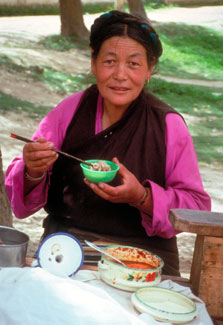
Photo by Andrea Fisch,
courtesy of Photoshare
Woman eating at a table outside.
by Shana Potash
Cruciferous vegetables and green tea are big parts of the Asian diet. That makes Chinese men and women useful populations for research to determine if those staples might help prevent disease. The NIH is funding two large, ongoing epidemiological studies in Shanghai to better understand the causes of disease and to explore how diet and lifestyle affect health.
To assess the potential health effects of cruciferous vegetables, which include broccoli, cabbage and bok choy, scientists analyzed data on more than 134,000 men and women in the Shanghai programs. The researchers concluded that eating a lot of fruits and vegetables did not significantly reduce the risk of cancer but had other benefits. “Our findings support recommendations to increase consumption of vegetables, particularly cruciferous vegetables, and fruit to promote cardiovascular health and overall longevity,” the scientists noted in their study, published in 2011 in the American Journal of Clinical Nutrition.
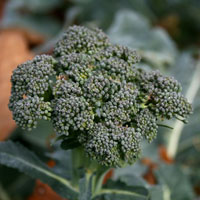
Photo by Karel Jakubec via Wikimedia
Broccoli and other cruciferous vegetables
are a large part of the Asian diet. Studies
suggest the vegetables may promote
heart health.
In later work, the researchers tested the hypothesis that cruciferous vegetables lower inflammation, which is associated with heart disease. Investigators surveyed the diets and analyzed the blood of more than 1,000 middle-aged women in the Shanghai study and found those who ate more of these vegetables had fewer signs of inflammation.
Green tea is the most popular type consumed in China. An analysis of data on more than 70,000 women found it reduced the risk of digestive system cancers, especially colorectal, stomach and esophageal. The reduction was greatest for women who drank tea for at least 20 years, which suggests the benefit may be cumulative. While this investigation showed a positive effect of tea, other studies have been inconclusive.
Focus on research in China
- Research advances in China improve health globally
- Chinese researchers discovered effectiveness of artemisinin against malaria
- Arsenic added to cancer therapy after studies in China
- Benzene research in China informs EPA regulation
- Chinese study shows folic acid helps reduce stroke risk
- Profile: Fogarty Scholar Dr Emily Vogtmann studies cancer threats
- Q and A with Dr Roger Detels on HIV/AIDS research and training
The Shanghai Cancer Center, Vanderbilt University and NIH’s National Cancer Institute (NCI) established the two large cohort studies. In addition to providing new insight into disease, the research projects incorporate training opportunities. For example, the lead author on a paper about the relationship between cruciferous vegetables and inflammation, Dr. Yu Jiang, was supported by a Fogarty chronic disease research training grant.
More Information
NIH resources:
- NCI fact sheet: Tea and Cancer Prevention: Strengths and Limitations of the Evidence
- Traditional Chinese Medicine and Cancer
NCI Office of Cancer Complementary and Alternative Medicine
Related publications:
- Cruciferous Vegetable Intake Is Inversely Correlated with Circulating Levels of Proinflammatory Markers in Women
Journal of the Academy of Nutrition and Dietetics, May 2014 (published online March 13, 2014) - Prospective cohort study of tea consumption and risk of digestive system cancers: results from the Shanghai Women's Health Study
American Journal of Clinical Nutrition, November 2012 (published online October 10, 2012) - Cruciferous vegetable consumption is associated with a reduced risk of total and cardiovascular disease mortality
American Journal of Clinical Nutrition, July 2011 (published online May 18, 2011)
To view Adobe PDF files, download current, free accessible plug-ins from Adobe's website .