 An official website of the United States government




July 2025 Take Action

SUBSCRIBE PREVIOUS ISSUES
Take Action
Alternatives to UPFs
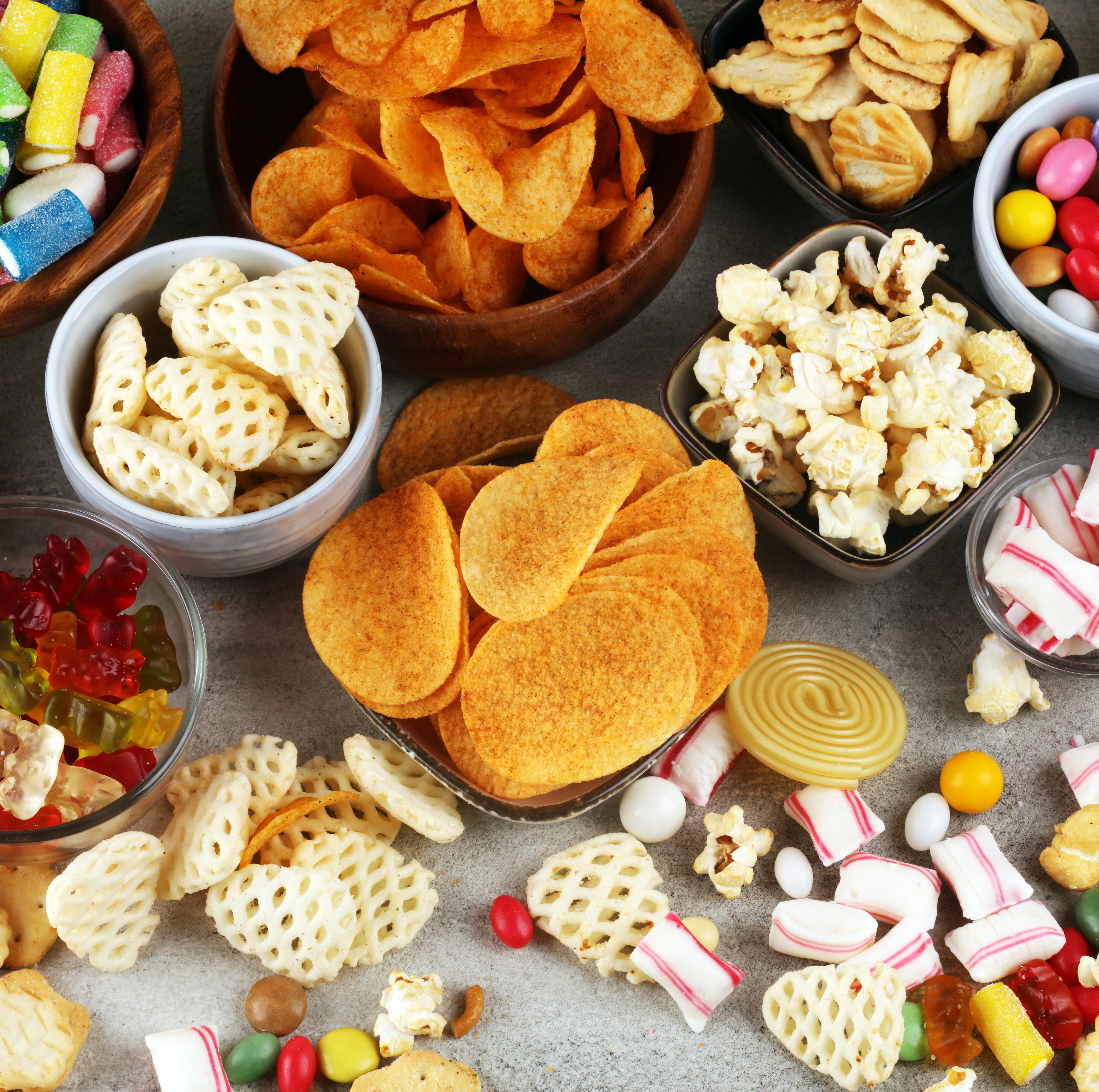
There are several alternatives to UPFs that we will review in this article. Hopefully you can give one a try! Each one comes with its own benefits, drawbacks and environmental impacts.
| Alternative | Details | Benefits | Drawbacks | Environmental Impacts |
| Foods that are processed, but without UPFs | Buy foods that have been previously prepared but do not include UPFs. | Healthier than UPFs and more convenient than other UPF-free options | Requires carefully reading labels and it can be difficult to find prepackaged food without UPFs. These foods are also typically more expensive than UPFs | Reduced processing energy |
| Homemade Foods | Prepare homemade meals with ingredients from a grocery store | Healthier than UPFs, often cheaper in the long-term, learn a new skill | Time-consuming, learning curve, need equipment, uses more water than some UPFs | Reduced processing energy, reduced land use, reduced packaging, reduced transportation energy |
| Homemade Local Foods | Prepare homemade meals with ingredients from a local farmers market | Healthier than UPFs, learn a new skill, build community connections | Requires ensuring the food is sourced locally, time-consuming, learning curve, may not be available all year, need equipment, likely the most expensive option | Reduced processing energy, reduced land use, reduced packaging, reduced transportation energy |
| Homemade Grown Foods | Prepare homemade meals with ingredients that you grow and/or raised | Healthier than UPFs, often cheaper in the long-term, learn new skills, gardening itself is a healthy exercise | Very time-consuming, takes up space, learning curve, only feasible at certain times in the year, need equipment | Reduced processing energy, no packaging, no transportation energy |
If you manage one of these alternatives for a week or more, make sure to mark it off on your GREEN Bingo Board ! Check out our Featured article or the 2024 March Article for more on UPF and sustainable diets.
Featured Article
|
Image
| Ultra-Processed Foods and the Environment The Fourth of July evokes images of fireworks, family gatherings and celebrations that wouldn't be complete without grilled food hot off the barbeque. While a juicy hotdog in a white bread roll could be alright every once in a while, it's important to remember how our diet impacts ourselves and the environment. LEARN MORE |
Spotlight
|
Image

| UPF and Nutrition with Dr. Andrew Bremer Dr. Andrew Bremer is the director of the Office of Nutritional Research (ONR) under the Division of Program Coordination, Planning, and Strategic Initiatives. Given the zeitgeist shift of the past decade, he has become very familiar with many different viewpoints about ultra-processed foods (UPFs). LEARN MORE |
Fun Fact
Did you know?According to the MAHA Report, UPFs were built into the fabric of the post-World War II American society and economy. Today, roughly 70% of the over 300,000 branded food products available in grocery stores today are ultra-processed.
Newsletter Feedback
If you found this article useful, please let us know! We appreciate hearing how we might improve our future articles, including topics you would like to read about. Please take a moment to complete this quick feedback form:
NIH Green Zone Newsletter Feedback Form
| The NIH Green Zone Newsletter is a publication intended to inform NIH staff about the Division of Environmental Protection and NIH Green Teams projects and initiatives. The text contained in this newsletter is not copyrighted and can be reprinted without permission. If you use portions of this newsletter in your own publication, we ask that you please credit the source. We welcome your comments and suggestions . Thank you. |
|---|
Division of Environmental Protection | Office of Research Facilities | Office of Management National Institutes of Health | U.S. Department of Health and Human Services |