 An official website of the United States government




August 2025 Take Action

SUBSCRIBE PREVIOUS ISSUES
Take Action
Operating Efficiently
Operating buildings, workspaces and equipment efficiently is essential to reducing energy consumption. Even the NIH LEED Platinum Net-Zero Energy Warehouse relies on its occupants to use the building responsibly to meet its energy targets. Below are some ways in which you can reduce energy consumption and improve operational efficiency:
Lights OutTurn out the lights when they aren't being used. In workspaces that have enough natural lighting for everyone, limit the use of overhead lights.Shut Down for the NightTurn off computers, monitors and (when able) lab equipment before leaving for the night. Even in sleep mode, equipment draws more power than when it is completely shut down.Get ResourcefulInstead of using a space heater or mini fridge, try bundling up or using the office refrigerator. That's how they do it at the Net-Zero Energy Warehouse!
The
Featured Article
|
Image
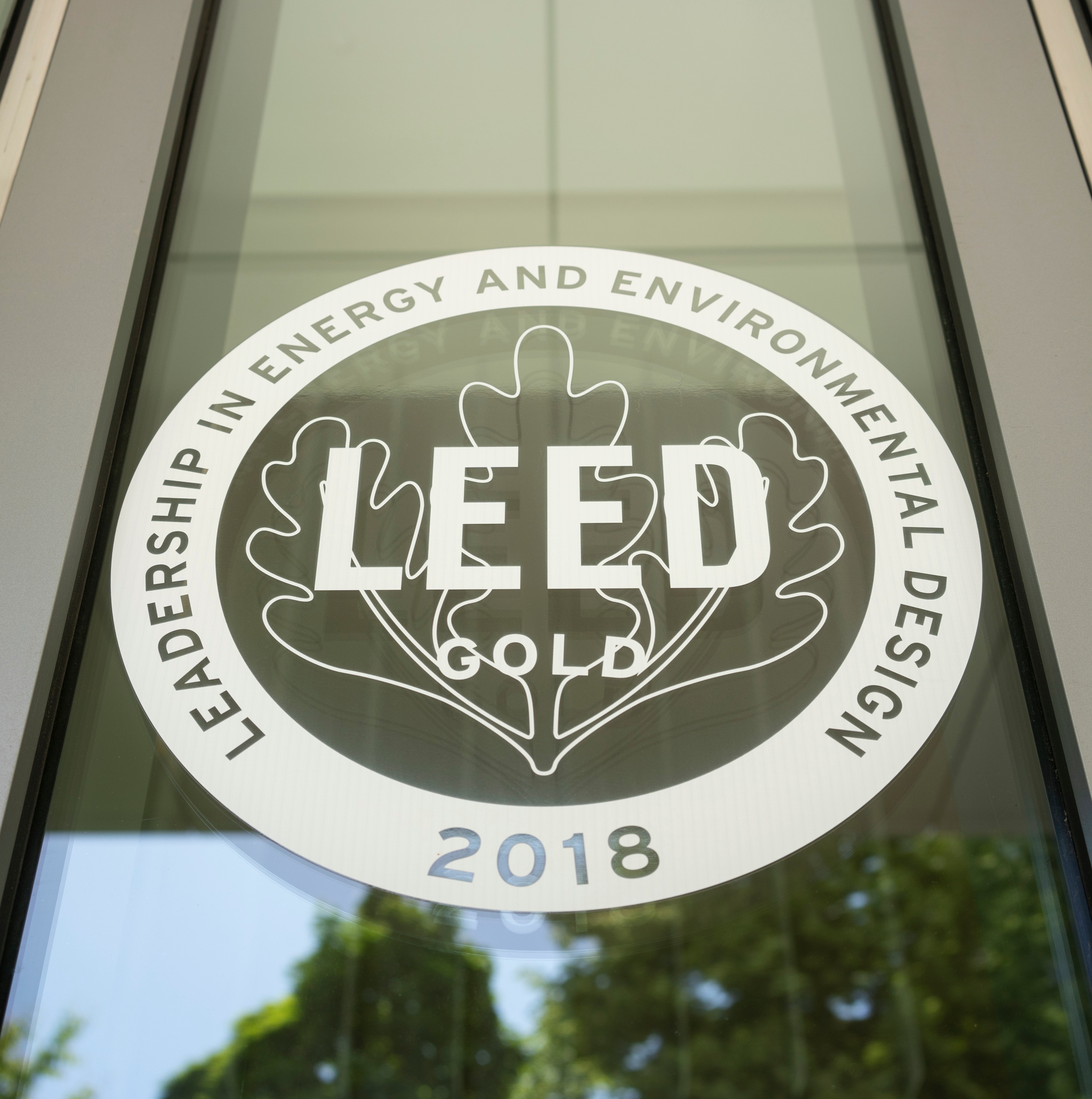
| LEED at the NIH NIH facilities equipped with cutting-edge equipment and building systems are essential to improve the health of the nation and the world. However, if not approached carefully, these advancements could have drawbacks in consuming unnecessary amounts of energy, water and other resources. LEARN MORE |
Spotlight
|
Image

| Hannah Tulip and LEED at the NIH Hannah Tulip is a General Engineer in the Division of Environmental Protection (DEP). From managing building energy portfolios to metering electric vehicle charging stations, she’s well-versed in using her technical knowledge to improve efficiency and reduce the environmental impact of the NIH. LEARN MORE |
Fun Fact
Did you know?There are over 100,000 LEED-certified projects across a total of more than 140 countries worldwide. Several iconic feats of engineering also have LEED-certifications, including the Empire State Building in New York City, which currently sits at LEED Gold status.
Newsletter Feedback
If you found this article useful, please let us know! We appreciate hearing how we might improve our future articles, including topics you would like to read about. Please take a moment to complete this quick feedback form:
NIH Green Zone Newsletter Feedback Form
| The NIH Green Zone Newsletter is a publication intended to inform NIH staff about the Division of Environmental Protection and NIH Green Teams projects and initiatives. The text contained in this newsletter is not copyrighted and can be reprinted without permission. If you use portions of this newsletter in your own publication, we ask that you please credit the source. We welcome your comments and suggestions . Thank you. |
|---|
Division of Environmental Protection | Office of Research Facilities | Office of Management National Institutes of Health | U.S. Department of Health and Human Services |